

Microwave Making Noise
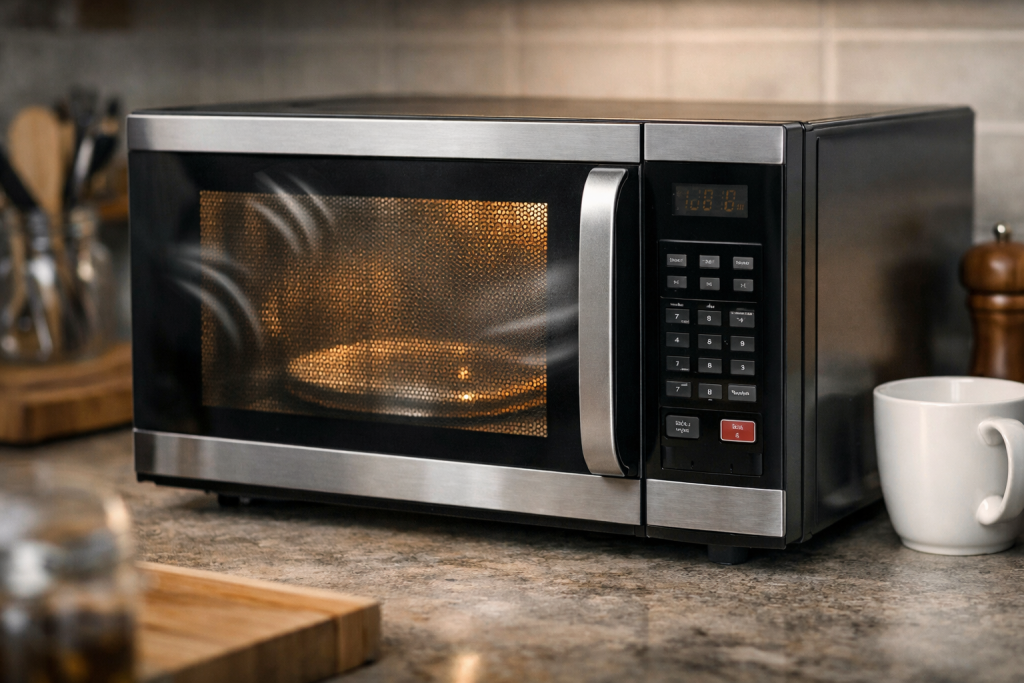
If your microwave is making unusual or loud noises, it often signals a problem with internal components or a buildup of debris. Common causes include obstructions under the turntable, worn or misaligned drive parts, or issues with the cooling fan or magnetron. While many noise issues can be addressed through cleaning or inspection, persistent or worsening sounds may require a professional repair to prevent further complications.
Why is my microwave making noise?
Short answer: Microwaves most often make noise due to mechanical obstructions (like food debris), worn turntable motors, misaligned components, or a failing magnetron. The specific sound and when it occurs can help pinpoint the cause.
The Most Common Causes
- Food or debris caught beneath the turntable or roller guide
- Worn or misaligned turntable motor or drive coupler
- Failed cooling fan or magnetron
- Loose internal panels or mounting hardware
Addressing strange noises early can help prevent more serious damage, higher repair costs, or even complete appliance failure.
Need Professional Microwave Repair? CPS Connects You to Factory-Authorized Service
Short answer: If basic cleaning and inspection do not resolve the noise, a factory-authorized technician should diagnose and repair any internal component problems.
If the issue persists or involves electrical or sealed internal parts, professional service is the safest choice.
- Brand-trained technicians
- OEM manufacturer-approved parts
- Repairs performed to manufacturer standards
- Nationwide authorized repair access
Schedule Factory-Authorized Microwave Repair
Why a Microwave That Makes Unusual Noise Should Not Be Ignored
Short answer: Continued use of a noisy microwave can lead to further internal damage, electrical strain, and more expensive repairs down the line.
- Secondary component damage
- Electrical strain
- Higher repair cost risk
Taking action early helps protect both your microwave and your household safety.
Try These Fixes First
Short answer: Begin with unplugging the microwave and performing a careful cleaning and visual check—many noise issues are caused by simple obstructions or loose parts.
How to Fix a Microwave That Makes Noise
- Unplug the microwave from the wall outlet for safety.
- Remove the turntable and roller guide; check for food debris or spills underneath.
- Clean the interior and all removable parts thoroughly.
- Inspect the roller guide and drive coupler for visible wear or damage; reseat or replace as needed.
- Spin the turntable by hand to check for resistance or unusual movement.
- Look for loose screws or panels you can safely access (avoid opening sealed compartments).
- Plug the microwave back in and test with a short cycle to check for noise improvement.
If cleaning and adjustment resolve the noise, it was likely a blockage or misalignment. If the sound continues, further diagnosis or professional help is recommended.
How to Identify the Type of Failure
Short answer: The timing, pitch, and location of the noise can indicate whether the source is mechanical, electrical, or component-specific.
If the microwave grinds or scrapes while running
This usually points to debris under the turntable or a worn roller guide or drive coupler.
If you hear a loud humming or buzzing
Such sounds often come from a failing magnetron or a defective cooling fan, requiring technician attention.
If noise occurs only when the turntable moves
Check for a misaligned or damaged turntable motor or coupler.
If the microwave rattles or vibrates
Loose internal panels or mounting hardware, or an unlevel appliance, may be the cause.
Repair Cost: What Should You Expect?
Short answer: Typical repair costs for microwave noise issues range from $80 to $250, depending on the part and labor required.
- Service visit: $80–$120
- Minor part replacement (roller guide, coupler): $90–$150
- Major component replacement (motor, magnetron): $175–$250+
Costs vary by brand, model, and region.
Can I Buy a Warranty to Fix This Current Issue?
Short answer: No, warranty coverage applies to future mechanical failures, not pre-existing issues already present.
Your microwave must be fully functional at the time of purchasing protection. Once repairs are made and the appliance is working, you may be eligible for extended coverage moving forward.
Why Factory-Authorized Service Matters
Short answer: Factory-authorized service ensures repairs are completed with genuine parts and proper diagnostic standards, protecting your investment and maintaining eligibility for future warranty coverage.
- OEM parts
- Brand-specific training
- Proper diagnostic standards
- Aftermarket components (risk)
- Misdiagnosis (risk)
- Repeat failure risk
After Repair: Protect Against Future Breakdowns
Short answer: Once your microwave is restored to working order, an extended protection plan can help safeguard against future failures and costly repairs.
- Motors
- Pumps
- Heating elements
- Control boards
- Mechanical failure due to normal use
Microwave Making Noise FAQs
Is it safe to use a microwave that makes noise?
If the noise is new, loud, or unusual, stop using the microwave and inspect for obvious issues; ongoing use can worsen damage.
What causes a grinding sound in my microwave?
Grinding often results from debris under the turntable or a worn roller guide or drive coupler.
Can I fix a noisy microwave myself?
Basic cleaning and checking for loose or misaligned parts are safe DIY steps, but internal repairs should only be done by professionals.
Does a noisy microwave mean it’s failing?
Unusual noises are often early signs of wear or damage and should be addressed promptly to prevent bigger problems.
Why does my microwave make a humming sound?
A persistent or loud hum can indicate an issue with the magnetron or cooling fan, which requires qualified repair.
How much does it cost to repair a noisy microwave?
Repairs typically range from $80 to $250, depending on parts and labor involved.
Will a warranty cover my current microwave noise issue?
No, warranty coverage is for future breakdowns—pre-existing problems must be repaired before coverage begins.
How can I prevent microwave noise issues?
Regular cleaning and careful handling of the turntable and internal components help prevent many common noises.
Should I unplug my microwave if it starts making noise?
Yes, unplug the unit before inspecting and avoid use until the cause is identified.
Who can I contact if cleaning doesn’t fix the noise?
Contact a factory-authorized service network to ensure safe, proper repairs and protect your appliance investment.

Still need help with your appliance?
If you’ve gone through the troubleshooting steps and the problem isn’t resolved, it may be time to think about protecting your appliance before the next issue appears. Our extended warranty plans continue coverage after the manufacturer’s warranty ends, helping cover repairs, parts, and service when unexpected breakdowns happen. With simple claims and dedicated support, protecting your appliance is easy.
Get Flat Rate Repair Program