

Stove Burners Not Igniting
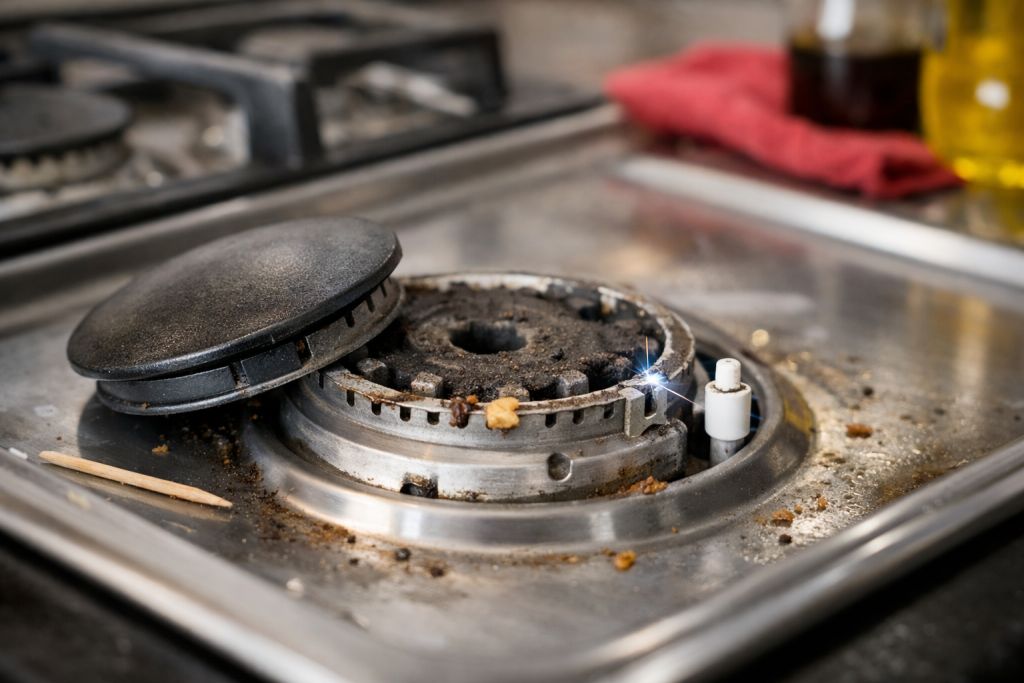
If your stove burners are not igniting, it's a common yet frustrating problem that can disrupt your daily routine. Frequently, the cause is simple—such as food debris blocking the burner or a misaligned burner cap—but in some cases, electrical or mechanical failures may be to blame. Many ignition issues can be resolved with careful cleaning and inspection, but if the problem persists, professional repair through a factory-authorized service provider is recommended to ensure safety and proper function.
Why is my stove not igniting?
Short answer: Most stove burners fail to ignite due to blocked burner ports, misaligned caps, or a faulty ignition system. Food spills, moisture, or worn components can prevent the spark needed to light the burner.
The Most Common Causes
- Burner ports or igniter covered by food debris or spills
- Misaligned or improperly seated burner cap
- Faulty igniter or spark module
- Loose or disconnected wiring to the igniter
- Lack of regular cleaning and maintenance
If your stove burners won’t ignite after basic cleaning, continuing to use the appliance may worsen the problem or create a safety risk. Address ignition issues promptly to avoid further complications.
Need Professional Stove Repair? CPS Connects You to Factory-Authorized Service
Short answer: If cleaning and basic troubleshooting do not restore burner ignition, a professional technician may be needed to diagnose and repair electrical or mechanical faults safely.
CPS connects you to authorized repair networks for reliable service tailored to your stove’s make and model.
- Brand-trained technicians
- OEM manufacturer-approved parts
- Repairs performed to manufacturer standards
- Nationwide authorized repair access
Schedule Factory-Authorized Stove Repair
Why a Stove That Won’t Ignite Should Not Be Ignored
Short answer: Ignoring burners that won’t ignite can lead to additional stove damage and may present a safety hazard if gas continues to flow without ignition.
- Secondary component damage
- Electrical strain on ignition system
- Potential for gas buildup and safety risks
- Higher repair cost risk if issues escalate
Address ignition problems early to maintain safety and minimize repair costs.
Try These Fixes First
Short answer: Begin by turning off the stove and thoroughly cleaning the burner area, removing any food debris, and ensuring all burner parts are dry and properly positioned.
How to Fix a Stove That Won’t Ignite
- Turn off all controls and ensure the stove is cool before starting.
- Remove the burner grate and cap; inspect for food, grease, or moisture.
- Clean the burner ports gently with a soft brush or needle, taking care not to damage them.
- Wipe the igniter and surrounding area with a dry cloth to remove residue or moisture.
- Reassemble the burner, making sure the cap is properly aligned and seated.
- Test the burner. If you hear clicking but no ignition, check other burners to see if the issue is isolated.
- If none ignite or you smell gas, stop and contact a professional immediately.
If your burner ignites after cleaning and reassembly, the problem was likely a blockage or misalignment. If not, further diagnosis or professional repair is recommended.
How to Identify the Type of Failure
Short answer: The way your stove behaves during ignition attempts can help you determine whether the issue is mechanical, electrical, or related to user maintenance.
If the burner clicks but doesn’t light
This usually means the igniter is working but fuel isn’t reaching the burner, or the burner ports are blocked by debris or residue.
If there is no click or sound
This points to a possible electrical or control failure, such as a faulty igniter, switch, or wiring issue.
If only one burner is affected
The problem is likely isolated to that burner’s cap, port, or igniter, often due to localized blockage or misalignment.
If none of the burners ignite
This suggests a broader electrical issue, such as a failed spark module or wiring problem, and typically requires professional diagnosis.
Repair Cost: What Should You Expect?
Short answer: Stove ignition repairs typically range from $100 to $350, depending on the cause and whether parts need replacement.
- Service visit: $75–$150
- Minor component replacement (igniter, switch): $100–$200
- Major component replacement (spark module, wiring): $200–$350
- Costs vary by brand, model, and region.
Can I Buy a Warranty to Fix This Current Issue?
Short answer: No, warranty coverage applies only to future mechanical failures after coverage begins—not to pre-existing problems.
Your stove must be fully functioning at the time of extended protection plan activation. Once repaired and operating normally, you may be eligible for coverage to help safeguard against future breakdowns.
Why Factory-Authorized Service Matters
Short answer: Authorized service ensures repairs are performed to manufacturer standards, using the correct methods and genuine parts to protect both your stove and your investment.
- Authorized benefits:
- OEM parts
- Brand-specific training
- Proper diagnostic standards
- Unauthorized risks:
- Aftermarket components
- Misdiagnosis
- Repeat failure risk
After Repair: Protect Against Future Breakdowns
Short answer: Once your stove is repaired and functioning properly, adding extended protection can reduce risk and costs associated with future mechanical failures.
- Motors
- Pumps
- Heating elements
- Control boards
- Mechanical failure due to normal use
Stove Burners Not Igniting FAQs
What should I do first if my stove burner won’t ignite?
Turn off the stove, remove the grate and burner cap, and clean away any debris or moisture.
Is it safe to use a stove with a burner that won’t light?
It is best to avoid using the stove until the issue is resolved to prevent gas buildup and safety hazards.
Why do I hear clicking but see no flame?
This usually means the igniter is working but the burner ports may be blocked or wet.
Can I fix a stove igniter myself?
You can clean the igniter and burner, but electrical repairs should be handled by a professional.
What causes multiple burners to stop igniting?
A failed spark module or wiring issue can prevent all burners from igniting.
How often should I clean my stove burners?
Wipe burners after each use and deep-clean them monthly or if spills occur.
Are replacement parts covered under an extended warranty?
Extended protection plans typically cover mechanical and electrical failures after the manufacturer’s warranty ends.
How do I know if I need professional repair?
If cleaning and basic checks do not restore ignition, or if you smell gas, contact a professional immediately.
Can I register for a protection plan if my stove isn’t working?
No, your stove must be fully functional to qualify for new coverage.
Will using unauthorized repair void my protection plan?
Non-authorized repairs may affect coverage eligibility and increase future breakdown risk.

Still need help with your appliance?
If you’ve gone through the troubleshooting steps and the problem isn’t resolved, it may be time to think about protecting your appliance before the next issue appears. Our extended warranty plans continue coverage after the manufacturer’s warranty ends, helping cover repairs, parts, and service when unexpected breakdowns happen. With simple claims and dedicated support, protecting your appliance is easy.
Get Flat Rate Repair Program