

Freezer Not Making Ice
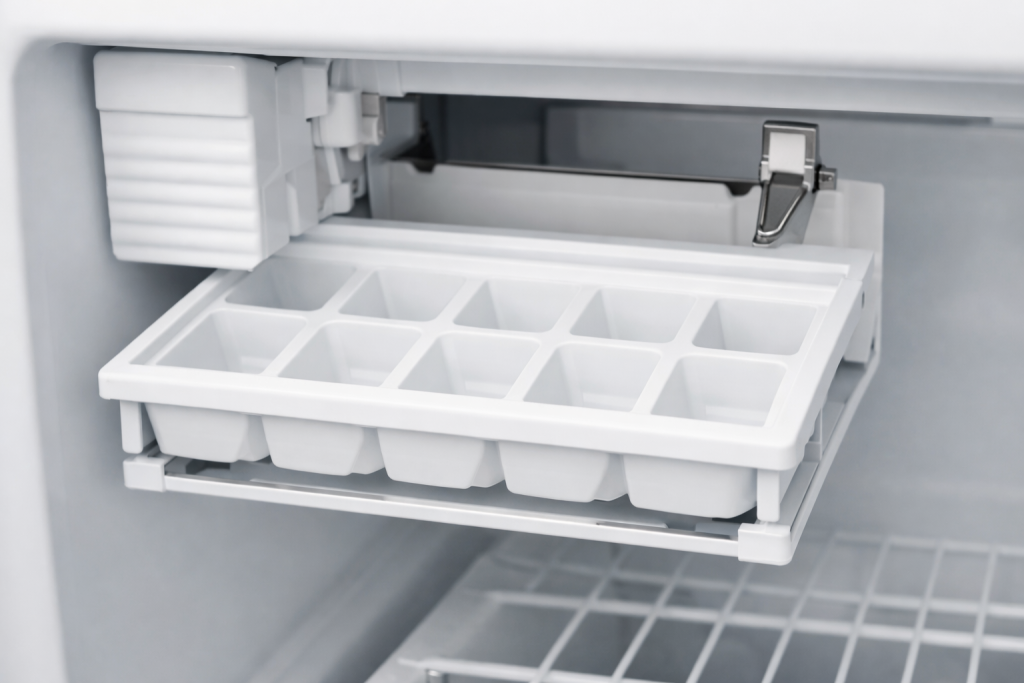
If your freezer is not making ice, you’re not alone—this is a common issue for many households. The problem often stems from a simple blockage, a faulty component, or an electrical control fault. In many cases, basic cleaning and inspection can resolve the problem, but if these steps don’t work, professional service may be needed to restore proper ice production.
Why is my freezer not making ice?
Short answer: Most freezers stop making ice due to a blocked ice maker, a failed water inlet valve, temperature issues within the freezer, or a malfunctioning ice maker control module. Often, a simple cleaning or resetting process can restore ice production, but mechanical or electrical failures may require professional repair.
The Most Common Causes
- Ice maker or ice chute blocked by ice build-up
- Water inlet valve malfunction or water supply issue
- Faulty ice maker control module
- Freezer temperature set too high or not cold enough
Addressing a non-working ice maker early can prevent further inconvenience and more costly repairs. If cleaning and basic checks don’t restore function, seeking authorized repair can help avoid prolonged disruption.
Need Professional Freezer Repair? CPS Connects You to Factory-Authorized Service
Short answer: If your freezer is still not making ice after basic troubleshooting, it may be time to consult a professional. Some issues—such as faulty valves or electrical controls—require specialized tools and expertise for safe, effective repair.
Factory-authorized repair ensures your freezer is restored according to manufacturer standards for reliable, long-term ice production.
- Brand-trained technicians
- OEM manufacturer-approved parts
- Repairs performed to manufacturer standards
- Nationwide authorized repair access
Schedule Factory-Authorized Freezer Repair
Why a Freezer That Isn’t Making Ice Should Not Be Ignored
Short answer: Ignoring a freezer that isn’t making ice can lead to bigger problems, including further component failure or food preservation risks if temperature issues are involved.
- Secondary component damage
- Electrical strain on the ice maker system
- Higher repair cost risk
Prompt attention helps protect both your appliance and your household’s convenience.
Try These Fixes First
Short answer: Start by checking for obvious blockages, cleaning the ice maker, and confirming the water supply. Many ice production issues result from minor obstructions or temperature setting errors.
How to Fix a Freezer That Is Not Making Ice
- Check that the freezer temperature is set at or below 0°F (-18°C).
- Inspect the ice maker for visible ice jams or blockages. Remove any built-up ice.
- Make sure the ice maker is switched on and the arm or switch is in the “on” position.
- Confirm the water supply line to the freezer is connected and not kinked or blocked.
- Replace the water filter if it hasn’t been changed within the recommended timeframe.
- Reset the ice maker using the manufacturer’s instructions (typically involves pressing a reset button or cycling power).
If the ice maker resumes operation, the issue was likely a blockage or simple setting error. If not, further diagnosis or professional repair may be necessary.
How to Identify the Type of Failure
Short answer: The way your freezer and ice maker behave—such as unusual noises, lack of water flow, or persistent ice jams—can indicate whether the problem is mechanical, electrical, or related to water supply.
If the ice maker is silent and doesn’t cycle
This usually points to a failed control module or a power supply issue.
If you hear the ice maker cycling but no ice appears
This often means the water inlet valve is defective or the water supply is blocked.
If ice cubes are small or misshapen
This is typically a sign of a clogged water filter or restricted water line.
If there is ice build-up inside the maker or chute
This indicates a blockage or temperature setting problem that’s leading to partial freezing or jams.
Repair Cost: What Should You Expect?
Short answer: Most freezer ice maker repairs range from $100 to $350, depending on the complexity of the failure and parts required.
- Service visit: $90–$150
- Minor component replacement (water filter, switch): $25–$85 plus labor
- Major component replacement (ice maker assembly, water valve): $120–$350 installed
- Costs vary by brand, model, and region.
Can I Buy a Warranty to Fix This Current Issue?
Short answer: No—extended warranty coverage applies only to future mechanical failures, not pre-existing issues.
Your freezer must be fully operational at the time you add extended protection. Once repairs are complete and the unit is functioning normally, coverage eligibility may be available to protect against future breakdowns.
Why Factory-Authorized Service Matters
Short answer: Authorized service ensures your freezer receives the correct parts and techniques, protecting both the appliance and your long-term investment.
- OEM parts
- Brand-specific training
- Proper diagnostic standards
- Aftermarket components (risk)
- Misdiagnosis (risk)
- Repeat failure risk (risk)
After Repair: Protect Against Future Breakdowns
Short answer: Once your freezer is functioning properly, adding extended protection can help reduce the risk of expensive repairs in the future.
- Motors
- Pumps
- Heating elements
- Control boards
- Mechanical failure due to normal use
Freezer Not Making Ice FAQs
Why did my freezer suddenly stop making ice?
Common causes include ice jams, water supply issues, or an ice maker component failure.
Can I fix a freezer ice maker myself?
Basic cleaning and checking for blockages are safe DIY steps, but electrical or valve issues may require professional help.
How do I reset my ice maker?
Most models have a reset button or require unplugging for a short time; check your user manual for specifics.
Does a clogged water filter stop ice production?
Yes, a blocked filter can restrict water flow and prevent the ice maker from working.
Is low freezer temperature important for making ice?
Absolutely—the freezer should be set at or below 0°F for optimal ice production.
How often should I replace my freezer’s water filter?
Most manufacturers recommend replacing it every 6 months or as indicated by the filter indicator.
What if my freezer is making ice slowly?
This may be due to a partially clogged filter, warm freezer temperature, or minor blockages in the ice maker.
Will a warranty cover ice maker repairs?
Manufacturer warranties may cover certain issues, but extended warranty coverage applies only to future failures.
Can a non-working ice maker affect other freezer functions?
In some cases, unresolved ice maker issues can stress other components or affect temperature regulation.
Should I turn off the ice maker if it isn’t working?
If repairs are delayed, it’s best to switch off the ice maker to prevent further strain or water leaks.

Still need help with your appliance?
If you’ve gone through the troubleshooting steps and the problem isn’t resolved, it may be time to think about protecting your appliance before the next issue appears. Our extended warranty plans continue coverage after the manufacturer’s warranty ends, helping cover repairs, parts, and service when unexpected breakdowns happen. With simple claims and dedicated support, protecting your appliance is easy.
Get Flat Rate Repair Program