

Oven & Range Extended Warranty: What’s Covered and What’s Not
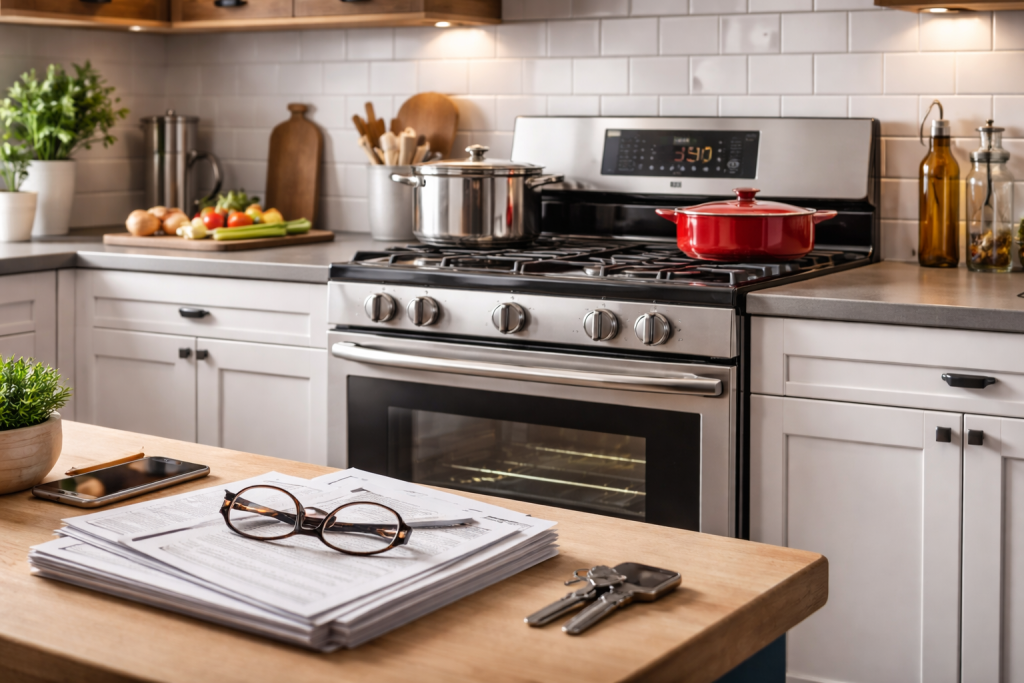
Imagine preheating your oven for a family dinner, only to discover it won’t turn on—or worse, it starts but never reaches the right temperature. For many homeowners, kitchen appliances like ovens and ranges are essential, but when they break down, repairs can be costly and disrupt daily routines. Deciding whether to invest in an oven & range extended warranty is often confusing, especially when coverage details aren’t clear and manufacturer warranties leave gaps.
This guide breaks down exactly what oven and range extended warranties cover, what they don’t, and how you can protect yourself from unexpected repair bills. We’ll clarify common misconceptions, provide real-world repair cost examples, and offer practical advice so you can make an informed decision about extended protection for your kitchen appliances.
Oven & Range Extended Warranty: Quick Facts
- Extended warranties cover mechanical and electrical failures that occur after the manufacturer’s warranty ends.
- Coverage usually includes parts and labor for breakdowns due to normal use, but excludes accidental damage and cosmetic issues.
- Common covered repairs: heating element failure, control board malfunction, igniter or thermostat replacement.
- Major exclusions: pre-existing problems, routine maintenance, damage from misuse, and cosmetic defects.
- Replacing a failed oven control board can cost $250–$500 without warranty coverage.
What Is Covered by an Oven & Range Extended Warranty?
A oven and range extended warranty is designed to protect you from unexpected repair costs once the original manufacturer warranty expires. Coverage typically includes:
- Mechanical failures—such as heating element burnout, faulty ignition systems, or broken thermostats.
- Electrical failures—including control board malfunctions, display issues, or wiring problems.
- Parts and labor—costs to repair or replace covered components that fail due to normal use.
- Authorized repair network access—connection to technicians trained to service your brand and model.
For example, if the oven’s heating element stops working after two years, an extended warranty can cover the repair cost once the manufacturer warranty has ended. Similarly, if an electronic control panel fails, the plan typically pays for diagnosis, parts, and labor.
What Is Not Covered?
While extended warranties provide valuable protection, they do not cover every scenario. Common exclusions include:
- Pre-existing conditions—issues present before you purchased coverage.
- Routine maintenance—such as cleaning, calibration, or replacement of light bulbs.
- Cosmetic damage—scratches, dents, discoloration, or other non-functional wear and tear.
- Accidental or misuse damage—including spills, improper installation, or damage from unauthorized repairs.
- Consumable parts—like oven racks or knobs, unless specifically listed as covered.
It’s important to review your plan documents so you know exactly what is and isn’t included. Many consumers assume accidental damage or cosmetic issues are covered, which is rarely the case for appliance extended warranties.
Gray Areas and Common Surprises
Some failures can fall into a gray area. For example, damage caused by a power surge may or may not be covered, depending on the plan’s terms. Similarly, issues resulting from improper installation or lack of maintenance are almost always excluded. If your oven stops working due to a manufacturing defect after the original warranty runs out, an extended warranty is designed to step in—but it won’t cover problems that existed before the plan started.
How to Read Coverage Terms Before Buying
Before purchasing an extended warranty, review the coverage details carefully. Look for:
- A clear list of covered components and types of failures
- Specific exclusions and limitations
- Requirements for maintenance or proof of purchase
- How claims are processed and what documentation is needed
Understanding these details helps prevent surprises and ensures the plan fits your needs. If you’re unsure, ask the provider for examples of covered and excluded repairs.
Real-World Cost Example: Why Coverage Matters
Major oven or range repairs can be expensive. For example:
- Replacing a control board: $250–$500
- New heating element: $150–$300
- Igniter replacement: $125–$275
These costs can rapidly exceed the price of a typical extended warranty, especially if multiple issues arise over the appliance’s lifespan.
Common Consumer Mistake: Assuming All Damage Is Covered
Many consumers mistakenly believe extended warranties cover any kind of oven or range failure—including accidental drops, spills, or cosmetic flaws. In reality, extended warranties focus on mechanical and electrical breakdowns from normal use. Always check plan terms and ask questions if you’re unsure about specific scenarios.
When to Involve a Professional or Extended Warranty Provider
If your oven or range experiences a sudden failure after the manufacturer’s warranty expires, the cost of repair often justifies involving an extended warranty provider. Problems like heating element burnout, control panel failure, or ignition issues usually require professional diagnosis and repair. Attempting DIY fixes on modern appliances can void your coverage or even cause further damage. Extended warranty protection connects you to authorized service networks and can significantly reduce out-of-pocket expenses for covered repairs.
How Consumer Priority Service (CPS) Can Help
Consumer Priority Service is a trusted provider of appliance extended warranty plans, offering coverage that begins when your manufacturer’s warranty ends. CPS connects you to factory-authorized repair networks and offers transparent, consumer-friendly protection for ovens, ranges, and other major appliances. Get a free quote or learn more about what’s covered before your next repair bill arrives.
Frequently Asked Questions
Q: Does an oven & range extended warranty cover accidental damage?
A: No, most extended warranties for ovens and ranges exclude accidental damage, such as spills, drops, or misuse. Coverage focuses on mechanical and electrical failures from normal use.
Q: Can I buy an extended warranty after I’ve purchased my oven or range?
A: Yes, many providers allow you to purchase coverage within a certain period after your appliance purchase, as long as it is still in good working condition and within eligibility guidelines.
Q: Are cosmetic issues like scratches or dents covered?
A: Cosmetic damage is generally excluded from coverage. Extended warranties are designed for functional mechanical and electrical problems, not appearance-related issues.
Q: How do I file a claim if my oven or range breaks down?
A: You can typically file a claim online or by phone with your warranty provider. CPS customers can file a claim directly through the CPS website for prompt service coordination.
Q: What documentation will I need if I make a claim?
A: You’ll usually need proof of purchase for your appliance and a description of the issue. Some providers may request photos or details about the failure for verification.
Q: Does an extended warranty cover issues caused by lack of maintenance?
A: No, problems resulting from neglect, improper use, or lack of recommended maintenance are generally not covered under extended warranty plans.
Conclusion
An oven & range extended warranty can offer valuable peace of mind by covering costly repairs that occur after the manufacturer’s warranty expires. Understanding what’s covered—and what’s not—helps you make the right choice for your home and budget. Protection plans are most effective when purchased before breakdowns occur, so consider your risk tolerance and appliance usage.
To explore coverage for your kitchen appliances, compare your options and get a free quote from Consumer Priority Service today.

Still need help with your appliance?
If you’ve gone through the troubleshooting steps and the problem isn’t resolved, it may be time to think about protecting your appliance before the next issue appears. Our extended warranty plans continue coverage after the manufacturer’s warranty ends, helping cover repairs, parts, and service when unexpected breakdowns happen. With simple claims and dedicated support, protecting your appliance is easy.
Get Flat Rate Repair Program