

Range Hood Extended Warranty Guide
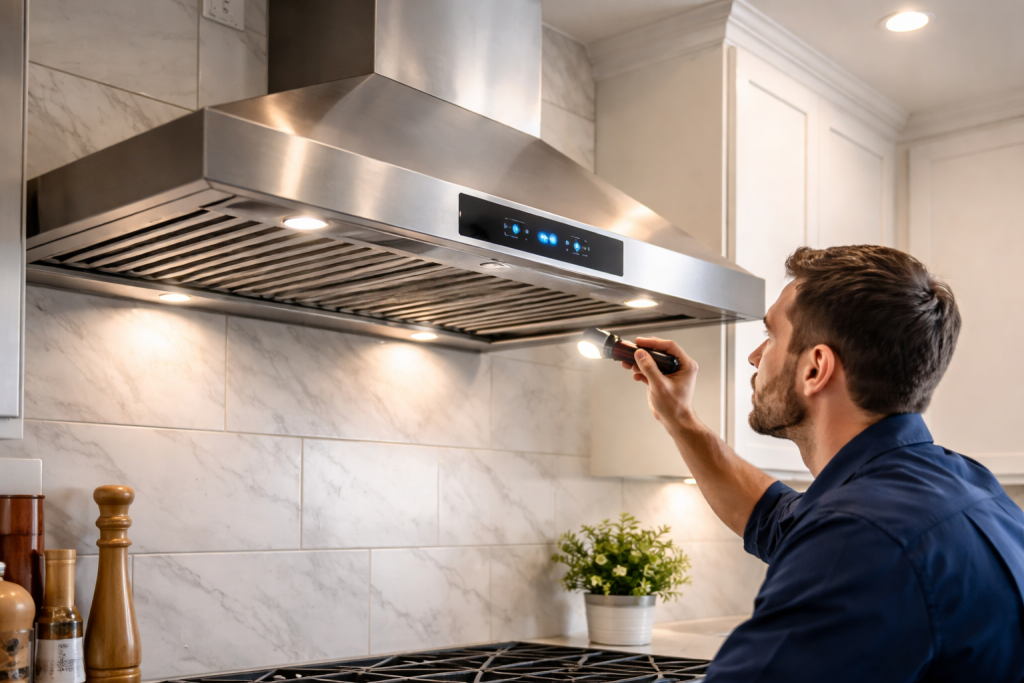
If you’ve invested in a quality range hood—whether as part of a kitchen remodel or to improve everyday ventilation—you expect it to run smoothly for years. But even reliable kitchen appliances aren’t immune to unexpected breakdowns. Many homeowners are surprised when a fan motor stops working or the control panel fails just after the manufacturer’s warranty ends, leaving them with steep repair bills or tough replacement decisions.
Understanding your protection options for a range hood is more important than ever. With the cost of parts and labor rising, a single malfunction can quickly become a financial headache. This guide breaks down what a range hood extended warranty really covers, what it doesn’t, how it compares to standard warranties, and when it makes sense to consider extra protection. If you want to avoid costly surprises and protect your kitchen investment, read on for clear answers and practical advice.
- Most range hood extended warranties cover mechanical and electrical failures that occur after the manufacturer’s warranty expires.
- Coverage usually does not include cosmetic damage, pre-existing issues, or problems from improper installation or misuse.
- Repairing a range hood motor or replacing an electronic control board can cost anywhere from $200 to over $600, depending on the model and repair complexity.
- Extended warranties connect you to authorized repair networks, ensuring qualified service with genuine parts.
- You can usually add extended coverage within a short window after purchase or while the product is still in good working condition.
What Is a Range Hood Extended Warranty?
A range hood extended warranty is a protection plan that continues your appliance’s coverage after the original manufacturer warranty ends. This type of plan is designed to help pay for repairs or replacement if mechanical or electrical failures occur due to normal use. While a manufacturer’s warranty typically covers defects for just one year, an extended warranty can provide several additional years of support, giving you long-term peace of mind.
How Does Extended Coverage Work?
- Purchase the plan: You can usually buy an extended warranty at the time of range hood purchase or within a set period afterward.
- Register your product: Registration ensures your appliance is eligible and makes future claims smoother. Register your warranty with CPS for streamlined service.
- Wait for manufacturer warranty to expire: Extended coverage kicks in after the original warranty ends.
- File a claim if a covered failure occurs: If your range hood malfunctions due to a covered issue, you can submit a claim for repair or replacement. See how the process works with How to File a Claim.
- Authorized repair or replacement: CPS connects you to a qualified, authorized service network to resolve the issue.
Who Should Consider an Extended Warranty?
Extended protection is especially valuable for:
- Homeowners with high-end or built-in range hoods (where repairs can be costly and complex)
- Anyone who relies on their kitchen for daily cooking and wants minimal disruption
- Buyers investing in new appliances who want long-term budget predictability
- Landlords or property managers responsible for appliance upkeep
For inexpensive or easily replaced range hoods, self-insuring might make more sense. But for premium models or integrated kitchen designs, the financial risk of a major failure can justify the investment in extra coverage.
What Triggers Extended Warranty Coverage?
Coverage begins as soon as the manufacturer’s warranty expires, provided your range hood is still in proper working order. Mechanical and electrical failures due to normal use—such as a defective blower motor, faulty wiring, or malfunctioning electronic controls—are typically covered. Issues caused by accidental damage, misuse, or pre-existing problems are not eligible for coverage.
How Do You Use Extended Warranty Protection?
If your range hood stops working and it’s covered under your extended warranty:
- Gather your warranty registration and purchase details.
- Contact your extended warranty provider (such as CPS) to file a claim.
- Describe the problem. Be prepared to explain when and how the failure occurred.
- Schedule authorized service. You’ll be connected with a qualified technician to diagnose and repair the issue, often with genuine parts.
- Pay any applicable service fee or deductible. Many plans cover parts and labor but may have a small service fee per claim.
What’s Covered—and What’s Not—By an Extended Warranty?
Typical Coverage Inclusions
- Motor and fan failures
- Electronic control board malfunctions
- Faulty switches, lights, or sensors
- Wiring and electrical components
- Premature mechanical breakdowns due to normal use
For example, if your range hood’s blower motor fails after two years, a covered repair could easily save you $300 or more in parts and labor.
Common Exclusions
- Cosmetic damage (scratches, dents, discoloration)
- Pre-existing problems or failures present before coverage started
- Damage from improper installation, misuse, or unauthorized modifications
- Routine maintenance (cleaning, filter replacement)
- Accidental damage (unless specifically included in a separate protection plan)
Consumer misconception: Many people believe extended warranties cover accidental drops or cosmetic issues. Most plans only protect against covered mechanical and electrical failures—not user-caused damage or wear and tear. Always review the specific coverage terms before purchasing.
How to Read and Compare Coverage Terms
Before buying, ask to see a sample contract. Look for:
- What’s covered and excluded (in plain language)
- Length of coverage
- Claim process and response times
- Maximum payout or replacement limits
- Any service fees or deductibles
Don’t hesitate to contact the provider with questions about “gray areas” such as power surges, installation errors, or failures from heavy use.
When to Involve a Professional or Extended Warranty Provider
If your range hood experiences a major failure—such as a non-functioning fan, persistent electrical issues, or a dead control panel—DIY fixes often aren’t practical or safe. Professional repair can involve handling electrical components, sourcing model-specific parts, and ensuring the appliance meets safety standards. When repair costs approach several hundred dollars or more, or when you want the confidence of authorized service, involving an extended warranty provider helps protect both your kitchen and your budget.
How Consumer Priority Service (CPS) Can Help
Consumer Priority Service connects homeowners to nationwide networks of authorized appliance repair professionals. Our appliance extended warranty plans and scratch & dent appliance warranty options are designed to cover unexpected breakdowns in range hoods and other essential kitchen appliances. Get transparent protection, easy claims, and service you can trust. Get a free quote or learn more about your coverage options today.
Frequently Asked Questions
Q: Does an extended warranty cover accidental damage to my range hood?
Most extended warranties for range hoods do not cover accidental damage, such as drops or spills. Coverage is typically limited to mechanical and electrical failures resulting from normal use. If you want protection against accidental damage, look for a separate plan that specifically includes this benefit.
Q: Can I buy a range hood extended warranty after I’ve already installed the appliance?
Yes, many providers allow you to purchase extended coverage within a limited window after installation, as long as the range hood is still in good working condition. Check with your provider for eligibility and registration requirements.
Q: What happens if my range hood cannot be repaired?
If the covered failure cannot be repaired, most extended warranty plans provide for replacement up to a maximum payout limit or issue a reimbursement based on the current value of the appliance. Review your contract for specific terms and limits.
Q: Do I have to use authorized repair services under an extended warranty?
Yes, to maintain coverage and ensure the repair meets quality standards, you must use authorized service providers arranged through the warranty administrator. Unauthorized repairs may void your coverage.
Q: Are routine maintenance and filter replacements covered?
No, extended warranties do not cover routine maintenance tasks such as cleaning or replacing filters. These are considered the owner’s responsibility and are not included in protection plans for range hoods.
Conclusion
A range hood is a key appliance in any modern kitchen—and like any hardworking device, it’s vulnerable to unexpected breakdowns. An extended warranty provides financial protection against costly repairs that can easily reach several hundred dollars, all while connecting you to trusted, authorized technicians. By understanding what’s covered, what’s not, and how to compare your options, you can make a confident, informed decision about protecting your appliance investment.
Don’t wait for a major malfunction to find out if you’re covered. Explore CPS’s range of appliance protection plans to see how you can secure peace of mind for your home today.

Still need help with your appliance?
If you’ve gone through the troubleshooting steps and the problem isn’t resolved, it may be time to think about protecting your appliance before the next issue appears. Our extended warranty plans continue coverage after the manufacturer’s warranty ends, helping cover repairs, parts, and service when unexpected breakdowns happen. With simple claims and dedicated support, protecting your appliance is easy.
Get Flat Rate Repair Program