

Air Conditioner Extended Warranty: Window, Central, and Mini-Split Coverage
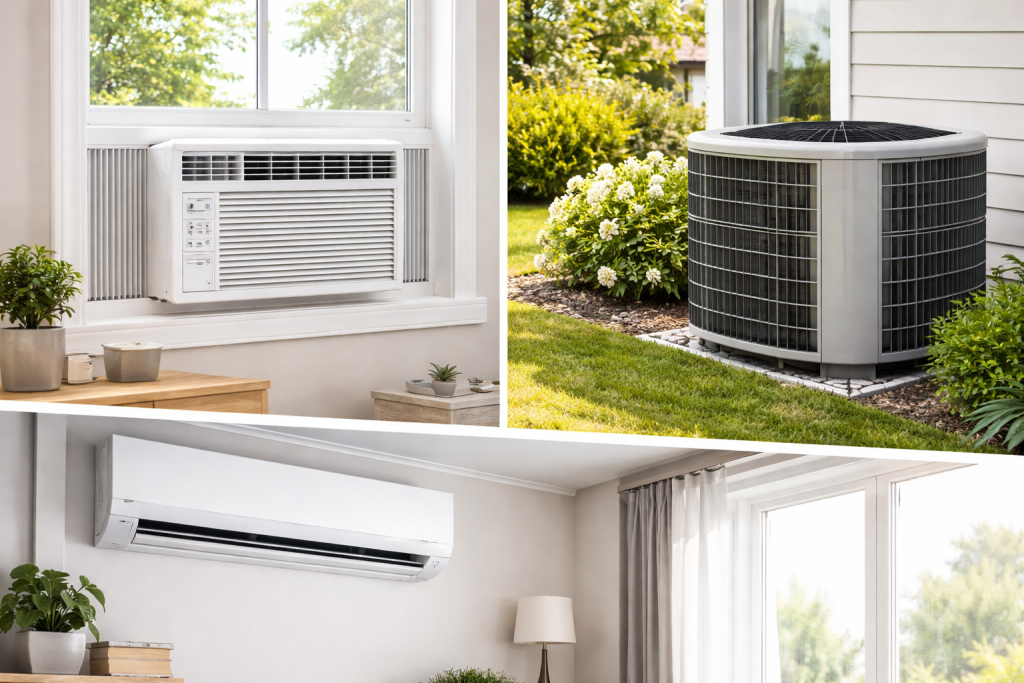
Imagine your air conditioner stops working in the middle of a heatwave. Whether it’s a window unit in your apartment, a central system cooling your home, or a mini-split in your office, the cost and hassle of sudden breakdowns can be overwhelming. Standard manufacturer warranties provide some initial protection, but those often expire just as risks of wear and tear start increasing. This leaves many consumers wondering if an air conditioner extended warranty is worth it — and confused about what’s actually covered.
This guide will break down how extended warranties work for window, central, and mini-split air conditioners. You’ll learn what is (and isn’t) typically covered, how these plans compare to standard warranties, and when it makes sense to consider extra protection. Our aim is to help you make a confident, informed decision — and avoid costly surprises down the road.
Key Facts: Air Conditioner Extended Warranties — Quick Answers
- Extended warranties cover mechanical and electrical failures that occur after the manufacturer’s warranty expires.
- Most cover major components: compressors, fans, motors, circuit boards, and thermostats — but not pre-existing issues or cosmetic damage.
- Typical repair costs for major AC failures can range from $200 (fan motor) to $1,200+ (compressor replacement).
- Accidental damage, improper installation, and lack of maintenance are generally not covered.
- Coverage terms, costs, and claim processes vary by provider and product type.
What Is an Air Conditioner Extended Warranty?
An air conditioner extended warranty is a service contract that provides additional repair coverage for your AC unit after the original manufacturer’s warranty ends. These plans are available for all major AC types, including window units, central systems, and ductless mini-splits. Extended warranties are designed to protect against unexpected mechanical or electrical failures, which often arise as the system ages.
Unlike a manufacturer’s warranty — which is included at the time of purchase and typically lasts 1–5 years — an extended warranty can add several extra years of protection. Coverage generally begins immediately after the manufacturer’s term ends, ensuring there’s no gap in protection if your AC fails due to normal use.
How Does an Extended Warranty for Air Conditioners Work?
- Purchase & Registration: After buying your air conditioner, you can purchase an extended warranty during or after checkout. In most cases, you’ll need to register your warranty with the provider to activate coverage.
- Coverage Period: The plan kicks in once the manufacturer’s warranty expires, typically extending coverage by 1–5 years depending on the plan chosen.
- Claim Process: If your AC develops a covered mechanical or electrical issue, you file a claim with your warranty provider. Most plans connect you to a network of factory-authorized repair professionals.
- Service & Resolution: After verifying eligibility, the provider arranges for repair or, in some cases, replacement of the unit or component. You may be responsible for a service fee or deductible, but major parts and labor are typically covered.
Who Should Consider an Air Conditioner Extended Warranty?
Extended warranties offer peace of mind for anyone who wants to avoid expensive, unexpected repair bills. You may benefit most if you:
- Rely heavily on your AC for comfort or health reasons
- Own a high-value central or mini-split system with costly components
- Live in a region with extreme weather, where AC breakdowns are more frequent
- Plan to keep your system beyond the manufacturer’s warranty period
For portable or lower-cost window units, the value equation is different — but even here, extended coverage can make sense if repair costs would exceed the price of a replacement.
What Does an Air Conditioner Extended Warranty Typically Cover?
Most extended warranties for air conditioners cover:
- Compressor failures (one of the most expensive repairs, often $800–$1,200 installed)
- Fan and blower motor breakdowns
- Thermostat and electronic control board malfunctions
- Capacitor and relay failures
- Internal wiring and circuit issues
Coverage usually applies to both parts and labor, as long as the failure is due to normal use and not a pre-existing problem. Extended warranties do not typically cover routine maintenance, filters, ductwork, remote controls, cosmetic damage, or failures due to improper installation or neglect.
What’s Not Covered? Common Exclusions
- Pre-existing issues, damage from misuse, or lack of maintenance
- Accidental or weather-related damage (including lightning strikes, flooding, etc.)
- Cosmetic issues: dents, scratches, discoloration
- Consumables: filters, refrigerant (except as part of a covered repair)
Consumer misconception: Many people assume extended warranties cover accidental damage or neglect, but most plans only protect against sudden, unexpected failures due to normal use.
How to File a Claim for Air Conditioner Extended Warranty Coverage
Filing a claim is generally straightforward. Here’s how the process works for most providers:
- Gather your purchase receipt and warranty information.
- Contact your warranty provider (often through an online portal or phone).
- Describe the problem and provide any requested documentation.
- The provider reviews your claim and, if eligible, arranges service through an authorized repair network.
- Once approved, a technician diagnoses and repairs the issue — or, if the unit is beyond repair, replacement options may be discussed.
For more details, see How to File a Claim.
When Should You Involve a Professional or Warranty Provider?
While some AC issues can be solved by basic troubleshooting or filter changes, most mechanical and electrical problems require a certified technician. If your air conditioner stops cooling, makes unusual noises, or won’t turn on, professional diagnosis is essential. Extended warranty protection becomes especially valuable when repair costs approach or exceed $500 — a common threshold for compressor or control board failures in central and mini-split units. Instead of risking voided warranties or incomplete repairs, it’s wise to use authorized service networks provided through your warranty plan.
How Consumer Priority Service (CPS) Can Help
Consumer Priority Service connects you to factory-authorized repair professionals and offers a range of protection options for air conditioners, from window units to large central systems. Whether you’re looking for an appliance extended warranty or a plan tailored to electronics and home systems, CPS makes it easy to register, file claims, and get real support. Get a free quote to see coverage options for your AC.
Frequently Asked Questions (FAQ)
Q: Does an air conditioner extended warranty cover accidental damage?
A: Most extended warranties do not cover accidental damage, such as drops, spills, or weather-related events. Coverage applies to mechanical and electrical failures from normal use.

Q: Can I buy an extended warranty for my air conditioner after purchase?
A: Yes, many providers allow you to purchase extended coverage within a limited period after buying your air conditioner, provided it is in good working condition and still under manufacturer warranty.

Q: What happens if my AC can’t be repaired under warranty?
A: If a covered failure cannot be repaired, some extended warranties may offer a replacement or reimbursement, up to the original purchase price or a set limit. Terms vary by provider.

Q: Are all parts and labor covered by an extended warranty?
A: Most plans cover major internal components and labor, but exclude consumables (filters, refrigerant unless part of a repair), cosmetic issues, and damage from neglect or improper installation.

Q: How do I register my warranty and file a claim?
A: Registration is usually completed online or by phone using your purchase details. Claims can then be filed through the provider’s website or service hotline. For CPS, visit the warranty registration and claims pages for step-by-step instructions.
Conclusion
Repairing or replacing an air conditioner can be a major, unexpected expense — one that often arrives after the original warranty has expired. An extended warranty offers practical protection against mechanical and electrical breakdowns, helping homeowners and renters avoid costly surprises and keep their spaces comfortable year-round. Understanding what’s covered, and what’s not, is key to getting the right protection for your needs.
If you value peace of mind and want to ensure your air conditioner is protected for years to come, consider exploring extended coverage options from a trusted provider like Consumer Priority Service. Learn more or get a quote today.

Still need help with your appliance?
If you’ve gone through the troubleshooting steps and the problem isn’t resolved, it may be time to think about protecting your appliance before the next issue appears. Our extended warranty plans continue coverage after the manufacturer’s warranty ends, helping cover repairs, parts, and service when unexpected breakdowns happen. With simple claims and dedicated support, protecting your appliance is easy.
Get Flat Rate Repair Program