

Heat Pump Extended Warranty: What Homeowners Should Know
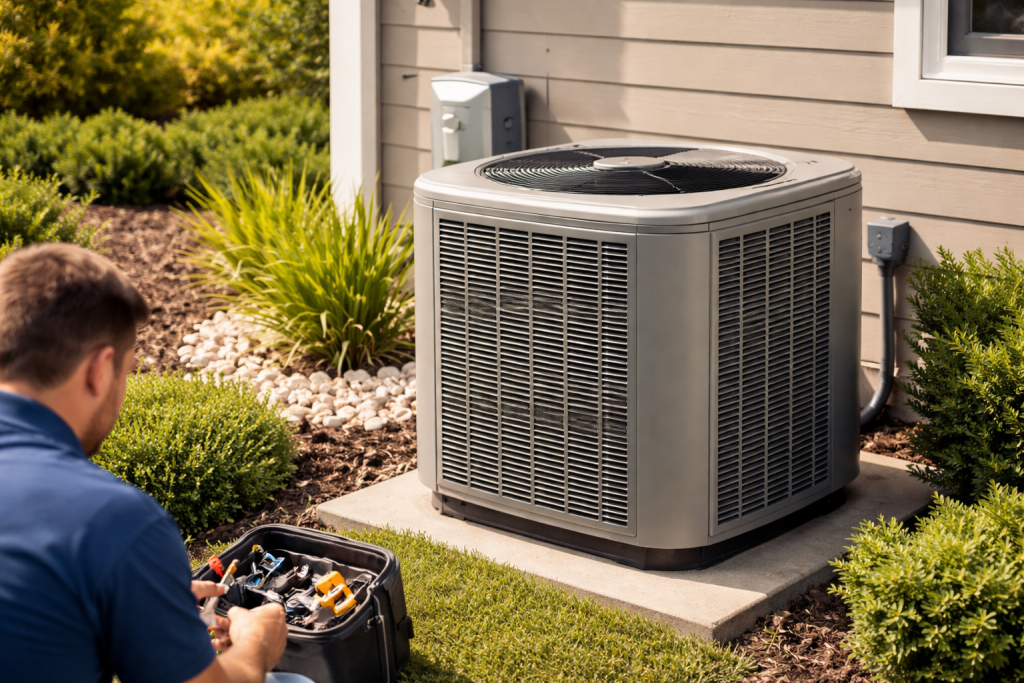
Imagine your home heat pump stops working in the middle of winter, leaving you scrambling for both comfort and solutions. Many homeowners find themselves facing high repair bills and unexpected downtime when their heating or cooling system fails, especially after the manufacturer’s warranty has expired. Deciding whether to invest in a heat pump extended warranty can feel overwhelming, with plenty of conflicting advice and unclear terms.
This guide breaks down what a heat pump extended warranty really offers, who benefits most, what’s typically covered (and what isn’t), and how to navigate the claim process if something goes wrong. By the end, you’ll have a clear understanding of how extended protection can help safeguard your investment—and when it makes sense to involve a professional warranty provider like Consumer Priority Service (CPS).
Key Facts About Heat Pump Extended Warranties
- Extended warranties cover mechanical and electrical failures that occur after the manufacturer’s warranty ends.
- Typical repair costs for heat pumps can range from $500 for minor issues to over $3,000 for compressor or major component replacement.
- Most plans do not cover pre-existing problems, routine maintenance, or installation errors.
- Extended warranty coverage can often be purchased after your initial heat pump installation, but eligibility may depend on equipment age and condition.
- A formal claim process connects you with authorized repair professionals—coverage is not automatic for every issue.
What Is a Heat Pump Extended Warranty?
A heat pump extended warranty is a service contract that provides additional protection for your home’s heat pump system beyond the manufacturer’s original warranty period. While standard warranties often last one to five years, extended coverage can add several more years of protection against unexpected breakdowns and costly repairs.
Unlike homeowners insurance, which covers damage from events like fire or storms, an extended warranty specifically steps in for mechanical or electrical failures resulting from normal use. This means if a covered part fails after the manufacturer’s coverage expires, the extended warranty can help pay for repair or replacement costs—reducing out-of-pocket expenses for homeowners.
How Extended Warranty Coverage Works
- After your manufacturer’s warranty ends, your extended protection plan becomes active.
- If your heat pump develops a covered issue, you file a claim with your warranty provider.
- The provider connects you with an authorized technician to assess and repair the problem.
- Depending on your plan, you may pay a service fee, but major parts and labor are typically covered up to the plan’s limit.
- If repair is not possible, some plans offer replacement options or a reimbursement toward a new unit.
Who Should Consider an Extended Warranty?
- Homeowners with new or recently installed heat pumps who want long-term budget protection
- Anyone concerned about high repair costs for complex systems
- Owners of premium or high-efficiency models with expensive components
- Landlords or property managers seeking predictable repair expenses
If your heat pump is already several years old or showing signs of wear, check with your warranty provider about eligibility—coverage is generally for future failures, not pre-existing conditions.
What Triggers Coverage?
Most plans activate once your manufacturer’s warranty runs out. Coverage typically applies to sudden mechanical or electrical failures, such as compressor breakdowns, circuit board malfunctions, or fan motor issues. Normal wear and tear is covered, but damages from improper installation, lack of maintenance, or external events (like weather or pests) are usually excluded. Always review your specific contract for details.
How to Use Your Extended Warranty: The Claim Process
- Contact your warranty provider as soon as you notice a problem—don’t attempt major repairs yourself.
- Provide your contract details and a clear description of the issue.
- The provider dispatches an authorized technician for diagnosis.
- If the issue is covered, repairs are performed with minimal out-of-pocket cost to you.
- Keep records of all communications and repair documents for your records.
What’s Covered and What Isn’t: Typical Terms
Commonly Covered Repairs
- Compressor failure
- Refrigerant leaks (if caused by covered part failure)
- Electronic control board malfunction
- Blower and fan motor breakdowns
- Thermostat replacement (in some plans)
For example, replacing a heat pump compressor can cost between $1,500 and $3,000 depending on model and labor, making extended coverage valuable for costly repairs.
What’s Usually Not Covered
- Pre-existing issues before plan activation
- Damage from improper installation or lack of maintenance
- Cosmetic defects or damage from external events (like power surges, flooding, or pests)
- Consumables (filters, lubricants) and routine tune-ups
Common Misconception: Many homeowners believe extended warranties cover everything, including accidental damage or neglect. In reality, coverage is limited to sudden mechanical or electrical failures—regular maintenance and misuse are not included.
How to Read and Compare Warranty Terms
- Check what parts and labor are included
- Review claim limits, service fees, and any exclusions
- Ask about transferability if you sell your home
- Ensure the provider uses authorized, licensed repair professionals
When to Involve a Professional or Extended Warranty Provider
If you face a costly repair or system failure after the manufacturer’s warranty has ended, involving a professional extended warranty provider can help you avoid large, unexpected expenses. Extended coverage is especially valuable for newer heat pumps, premium systems, or homeowners who want predictable repair costs. Rather than risking DIY fixes or out-of-network repairs, a trusted provider connects you to authorized technicians who understand your equipment and use approved parts.
How Consumer Priority Service (CPS) Can Help
Consumer Priority Service (CPS) offers extended warranty protection for major home appliances and HVAC systems, including heat pumps. With CPS, you gain access to authorized service networks and clear coverage terms designed to keep your home comfortable and your budget secure. Learn more about CPS appliance extended warranty plans or get a free quote to see how affordable long-term protection can be.
Frequently Asked Questions
Q: Does an extended warranty cover accidental damage?
A: No, most heat pump extended warranties do not cover accidental damage, improper installation, or issues caused by neglect. They focus on mechanical and electrical failures from normal use.
Q: Can I buy an extended warranty after my heat pump is installed?
A: In many cases, yes. Eligibility often depends on the age and condition of your heat pump, so check with your provider for specific requirements.
Q: How do I file a claim on my extended warranty?
A: Contact your warranty provider directly, provide your plan information, and describe the issue. The provider will connect you with an authorized technician for diagnosis and repair.
Q: What happens if my heat pump can’t be repaired?
A: If a covered failure can’t be fixed, some extended warranty plans may offer a replacement unit or a reimbursement toward a new heat pump, up to the contract limit.
Q: Are regular maintenance and tune-ups covered?
A: No, routine maintenance, cleaning, and filter changes are not covered by extended warranties. These remain the homeowner’s responsibility.
Conclusion
Heat pump extended warranties provide valuable peace of mind by covering expensive repairs that can occur after your manufacturer’s coverage ends. By understanding what’s included, who benefits most, and how the claim process works, you can make an informed decision about protecting your home’s comfort and your budget. Investing in extended coverage before problems arise means you’re ready for whatever happens next—without unexpected costs or hassle.
Explore CPS’s appliance extended warranty options to keep your heat pump and other home systems running smoothly, or get a free quote today for added confidence in your home investment.

Still need help with your appliance?
If you’ve gone through the troubleshooting steps and the problem isn’t resolved, it may be time to think about protecting your appliance before the next issue appears. Our extended warranty plans continue coverage after the manufacturer’s warranty ends, helping cover repairs, parts, and service when unexpected breakdowns happen. With simple claims and dedicated support, protecting your appliance is easy.
Get Flat Rate Repair Program