

Vacuum Cleaner Extended Warranty: Upright, Robot, and Canister Coverage Explained
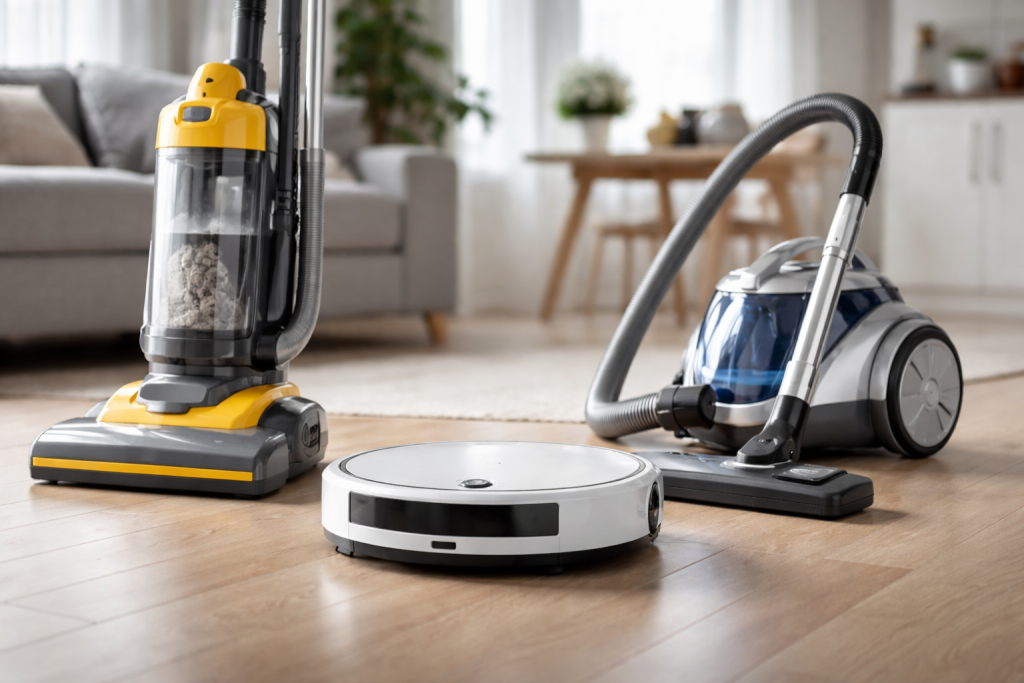
Vacuum cleaners are a staple in most homes, but few people think about what happens when their upright, robot, or canister vacuum suddenly stops working after the manufacturer’s warranty runs out. A broken motor, failed battery, or malfunctioning sensor can mean unexpected repair bills or even complete replacement—costs that can easily exceed $200 for many models. Choosing whether to invest in extended warranty coverage for your vacuum isn’t always straightforward, especially given the range of brands, features, and coverage options available today.
This guide demystifies vacuum cleaner extended warranties, explaining what’s covered, what isn’t, and when protection makes sense for your upright, robot, or canister vacuum. We’ll walk through common consumer concerns, clarify how coverage works, and help you make an informed decision about safeguarding your investment.
- Extended warranties for vacuums cover mechanical and electrical breakdowns after the manufacturer’s warranty expires.
- Coverage typically includes parts and labor for repairs like motor failure, battery issues (for robots), or electrical faults.
- Accidental damage, consumables (like filters or belts), and pre-existing conditions are usually excluded.
- Repair costs for robot vacuums can exceed $200–$400 out of pocket if unprotected.
- Filing a claim is a straightforward process—no need for the original receipt once registered with a reputable provider.
What Is a Vacuum Cleaner Extended Warranty?
A vacuum cleaner extended warranty is a service contract that provides additional coverage for your vacuum after the manufacturer’s warranty ends. This protection plan steps in when standard coverage runs out, helping you avoid unexpected repair or replacement expenses due to future mechanical or electrical failures. Extended warranties are available for upright, robot, canister, and stick vacuums, and can be purchased at the time of sale or, in some cases, within a limited window after purchase.
How Vacuum Extended Warranties Work
- You purchase an extended warranty plan for your vacuum—either online or through a retail partner.
- Register your product and warranty plan (if required) with the provider, such as Consumer Priority Service (CPS).
- After your manufacturer’s warranty expires, the extended warranty takes effect, covering mechanical or electrical breakdowns.
- If your vacuum fails, you file a claim—often online or by phone. The provider connects you with an authorized repair center or arranges for service.
- Covered repairs are handled with no out-of-pocket cost for approved claims, apart from any deductible if your plan has one.
Who Should Consider Extended Coverage?
Extended warranties are most valuable for consumers who rely on higher-end or feature-rich vacuums—such as robot models with advanced sensors, Wi-Fi connectivity, or self-emptying bases. If you’ve invested in a premium upright or canister vacuum, or use your vacuum frequently in a large home, coverage can offer peace of mind against costly repairs. Budget models may be less expensive to replace than repair, so the value calculation shifts depending on the vacuum’s price and complexity.
When Does Coverage Begin and What Triggers It?
Most extended protection plans begin the moment your manufacturer’s warranty ends—typically after one or two years. Coverage is triggered when your vacuum experiences a future mechanical or electrical failure that is not caused by misuse, accidental damage, or lack of maintenance. Common triggers include motor burnout, electrical board failure, or battery malfunction in robot vacuums.
How to Use Your Extended Warranty: Claim Process Overview
- Gather your warranty details and product information (model, serial number).
- Contact your warranty provider (such as CPS) through their claim portal or phone number.
- Describe the issue and follow the provider’s instructions—this may include troubleshooting or sending in photos.
- If approved, you’ll receive instructions for repair, replacement, or authorized service—often at no additional charge.
For a detailed step-by-step, visit the How to File a Claim page.
What’s Typically Covered by a Vacuum Cleaner Extended Warranty?
Extended warranties for vacuums generally cover:
- Motor failure or burnout
- Battery and charging issues (for robots and cordless models)
- Electrical component failures (sensors, switches, circuit boards)
- Wiring or internal connection faults
- Defective control panels or displays
For robot vacuums, coverage often includes problems with navigation, mapping, or docking systems. For upright and canister models, repairs to the suction motor, electric brush roll, or power switch are commonly included.
What’s Not Covered: Exclusions and Limitations
Most vacuum cleaner extended warranty plans exclude:
- Pre-existing conditions or failures from before coverage began
- Accidental damage (drops, spills, pet chewing)
- Consumable parts (filters, belts, bags, brushes)
- Damage from misuse, neglect, or unauthorized repairs
- Cosmetic issues that don’t affect performance
It’s a common misconception that extended warranties cover every possible problem. In reality, these plans are designed for future mechanical and electrical failures—not wear and tear or accidental breakage. Be sure to review the full coverage terms before purchasing.
Gray Areas and Common Surprises
Some consumers are surprised to learn that battery replacements in robot vacuums are only covered if the failure is due to a defect, not normal battery depletion from regular use. Similarly, filter replacements are almost never included, as they are considered routine maintenance.
When to Involve a Professional or Extended Warranty Provider
If your vacuum experiences a major breakdown—such as a failed motor, unresponsive control board, or battery that no longer holds a charge—professional repair can quickly approach or exceed the cost of a new device. For example, out-of-pocket repairs for a robot vacuum can range from $150 to over $400, depending on the part and labor required. If your vacuum is out of its original warranty, or you want to avoid unexpected expenses, this is when an extended warranty or protection plan can make a significant financial difference.
How Consumer Priority Service (CPS) Can Help
Consumer Priority Service offers extended warranty coverage for vacuums and other electronics, connecting you to a nationwide network of factory-authorized repair professionals. Whether you need protection for an upright, canister, or robot vacuum, CPS plans are designed to cover future mechanical and electrical failures once your manufacturer’s warranty ends. Learn more about Electronics Protection Plans or get a free quote today.
Frequently Asked Questions
- Q: Does an extended warranty cover accidental damage to my vacuum?
- A: Most extended warranties do not cover accidental damage such as drops, liquid spills, or damage caused by pets. Coverage focuses on future mechanical and electrical failures due to defects or normal use.
- Q: Can I buy an extended warranty after I’ve already purchased my vacuum?
- A: Yes, many providers allow you to purchase coverage within a limited window after buying your vacuum—as long as it is still in good working condition. Check specific eligibility terms with your chosen provider.
- Q: Are consumable parts like filters and belts covered?
- A: No, consumables such as filters, belts, bags, and brushes are considered maintenance items and are not included in extended warranty protection.
- Q: How do I file a claim if my vacuum breaks down?
- A: Filing a claim usually involves contacting your warranty provider online or by phone, providing product and issue details, and following instructions for assessment or repair. For CPS plans, visit the How to File a Claim page for step-by-step guidance.
- Q: What happens if my vacuum can’t be repaired?
- A: If an authorized repair provider determines your vacuum cannot be fixed under the terms of your plan, many extended warranties will offer a replacement or reimbursement up to the original purchase price, subject to plan limits.
- Q: Do I need to keep my original purchase receipt?
- A: While registering your warranty soon after purchase is recommended, many plans can look up your coverage using the product’s serial number or registration details if the receipt is lost.
Conclusion
When it comes to protecting your vacuum cleaner—whether upright, robot, or canister—an extended warranty can shield you from expensive surprises after the manufacturer’s warranty expires. By understanding what’s covered, what’s not, and how claims work, you can make a confident decision tailored to how you use your vacuum and the value you place on uninterrupted cleaning. Investing in coverage before problems arise puts you in control and helps avoid costly repairs or replacements down the road.
If you’re ready to explore protection options, Consumer Priority Service offers a range of plans to fit your needs. Get a free quote or learn more about how CPS can help keep your home running smoothly.

Still need help with your appliance?
If you’ve gone through the troubleshooting steps and the problem isn’t resolved, it may be time to think about protecting your appliance before the next issue appears. Our extended warranty plans continue coverage after the manufacturer’s warranty ends, helping cover repairs, parts, and service when unexpected breakdowns happen. With simple claims and dedicated support, protecting your appliance is easy.
Get Flat Rate Repair Program