

How Long Do Major Appliances Actually Last? (Lifespan Guide)
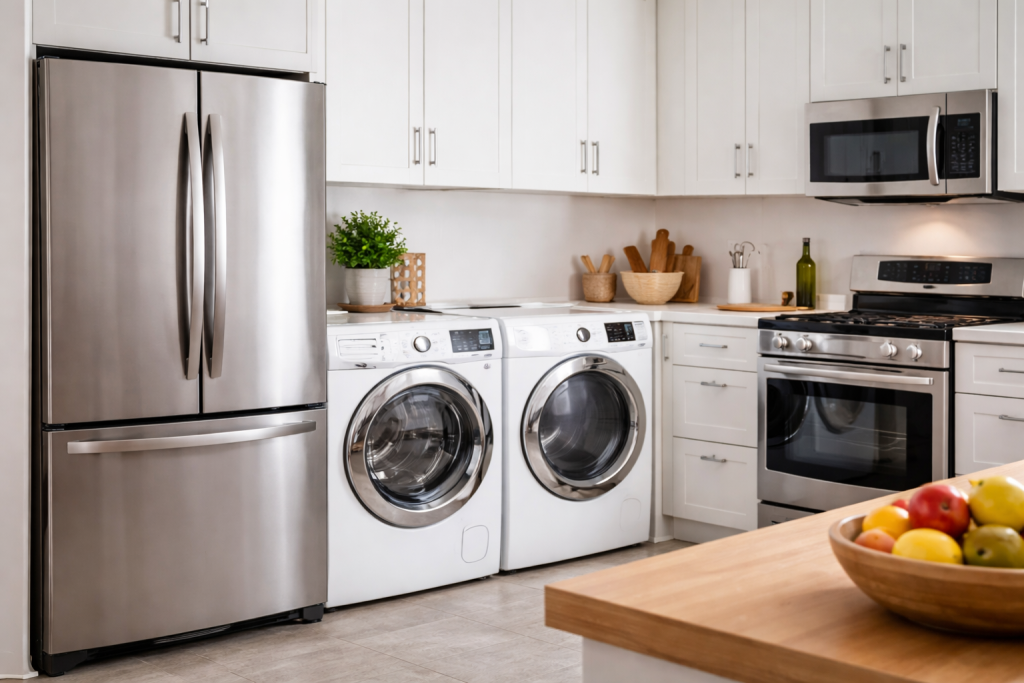
When your refrigerator hums reliably or your washer spins without a hitch, it’s easy to forget that even the most dependable major appliances won’t last forever. Many homeowners are caught off guard when a critical appliance fails years earlier—or lasts far longer—than expected. The lifespan of these big-ticket items doesn’t just impact your comfort; it also shapes your budget and decisions about maintenance, repair, or protection plans.
Knowing how long major appliances actually last can help you plan for replacements, decide whether to invest in an appliance extended warranty, and avoid costly surprises. This guide breaks down average lifespans for common appliances, explains the factors that affect them, and offers practical tips for maximizing your investment—so you can make informed, confident choices about your home’s essential devices.
How Long Do Major Appliances Actually Last? (Key Takeaways)
- Most major appliances last 8–15 years, but actual lifespans vary by type and usage.
- Refrigerators typically last 10–13 years; dishwashers around 9–10 years; washers and dryers 10–13 years; ovens and ranges 13–15 years.
- Factors like maintenance, brand, installation, and usage habits can extend or reduce appliance life.
- Major repairs can cost hundreds of dollars—replacing a refrigerator compressor alone can run $300–$600.
- Understanding realistic lifespans helps you weigh the value of repair, replacement, and extended warranty coverage.
Average Appliance Lifespans: What to Expect
Typical Lifespans by Appliance Type
- Refrigerators: 10–13 years. Side-by-side and French door models may be on the lower end; top-freezer units often last a bit longer.
- Dishwashers: 9–10 years. Hard water, frequent use, and skipped maintenance can shorten this window.
- Washing Machines: 10–13 years. Front-loaders may require more repairs as they age compared to top-loaders.
- Dryers: 10–13 years. Proper lint filter cleaning extends life and prevents breakdowns.
- Ovens/Ranges: 13–15 years. Gas ranges often outlast electric models.
- Microwaves: 7–9 years. Frequent use or slamming doors can reduce their lifespan.
- Freezers: 11–15 years. Manual-defrost models tend to last longer than frost-free types.
Factors That Affect Appliance Lifespan
- Quality and Brand: Higher-end brands and well-reviewed models may offer better longevity, but not all premium appliances outlast standard brands.
- Usage Patterns: Appliances used daily may wear out faster than those used occasionally.
- Maintenance: Regular cleaning, filter changes, and prompt repairs can add years to an appliance’s life.
- Installation: Incorrect installation can shorten lifespan and void warranties.
- Environment: Excessive humidity, heat, or hard water can contribute to early breakdowns.
Common Mistake: Expecting Manufacturer Warranties to Cover Full Lifespan
Many consumers assume that a standard manufacturer’s warranty covers their appliance for as long as it’s expected to last. In reality, most manufacturer warranties last just one year, leaving you responsible for repairs or replacements far sooner than the appliance’s typical lifespan. This gap is where appliance extended warranty coverage can help manage risk.
Typical Repair Costs vs. Replacement
The cost to repair a major appliance can range from manageable to substantial. For example, a refrigerator compressor replacement often costs $300–$600, while a new control board for a high-end oven can exceed $400. When repair costs approach 50% of the price of a new appliance, replacement often makes more financial sense—especially if the appliance is near or past its expected lifespan.
When Is Repair Worth It?
- If the appliance is less than halfway through its expected lifespan
- If repair costs are less than one-third the price of a replacement
- If covered by active warranty or protection plan
Otherwise, replacement may be the smarter long-term decision.
How to Maximize the Life of Your Appliances
- Follow manufacturer maintenance recommendations—regularly clean filters, coils, and vents.
- Address issues promptly: Unusual noises, leaks, or error codes often signal problems that worsen if ignored.
- Install appliances correctly: Ensure water, gas, and electrical connections meet safety and manufacturer specs.
- Use as intended: Overloading washers or blocking vents can shorten appliance life.
- Protect with extended coverage: Consider an extended warranty for peace of mind after the manufacturer’s warranty expires.
When to Involve a Professional or Extended Warranty Provider
While basic maintenance and troubleshooting are within reach for many homeowners, major repairs—especially involving electrical systems, refrigerants, or gas lines—are best left to qualified professionals. If your appliance is nearing or past its manufacturer’s warranty period, or if you’re facing a costly repair, it’s worth considering an appliance extended warranty or protection plan. These plans can help offset unexpected repair expenses and connect you to factory-authorized service networks, reducing the financial and logistical burden of sudden failures.
How Consumer Priority Service (CPS) Can Help
CPS connects homeowners and consumers to reliable, factory-authorized repair networks for a wide range of major appliances, electronics, and household devices. Our appliance protection plans are designed to cover you after the manufacturer warranty ends, offering transparent terms and responsive service. Get a free quote or explore your coverage options today.
Frequently Asked Questions (FAQ)
Q: How do I know when it’s time to replace rather than repair an appliance?
A: If your appliance is near or past its average lifespan and repairs cost more than half the price of a new unit, replacement is usually the better investment. Age, repair frequency, and energy efficiency should all factor into your decision.
Q: Does an extended warranty cover accidental damage?
A: Most appliance extended warranties cover mechanical and electrical failures from normal use, not accidental damage or misuse. Always check your plan’s specific terms to understand what’s included and excluded.
Q: Can I buy an appliance extended warranty after purchase?
A: In many cases, yes—extended protection can often be added within a certain period after your appliance purchase, provided it is still in good working condition and meets eligibility requirements.
Q: What’s the difference between manufacturer and extended warranties?
A: Manufacturer warranties typically last one year and cover defects in materials or workmanship. Extended warranties begin after this period and cover repairs for mechanical or electrical failures during the covered term.
Q: What should I look for in an appliance protection plan?
A: Look for transparent coverage terms, access to authorized service networks, and clear claim procedures. Consider the appliance’s age, value, and your own risk tolerance when deciding if a plan makes sense.
Conclusion
The average major appliance lasts about a decade, but actual results depend on the type, brand, care, and a bit of luck. Knowing realistic lifespans helps you budget for replacements and decide if an appliance extended warranty fits your needs. The best time to protect your investment is before a problem arises—so you can avoid costly surprises and keep your home running smoothly.
To explore coverage options for your appliances and electronics, consider Consumer Priority Service. Get a free quote or learn more about our protection plans today.

Still need help with your appliance?
If you’ve gone through the troubleshooting steps and the problem isn’t resolved, it may be time to think about protecting your appliance before the next issue appears. Our extended warranty plans continue coverage after the manufacturer’s warranty ends, helping cover repairs, parts, and service when unexpected breakdowns happen. With simple claims and dedicated support, protecting your appliance is easy.
Get Flat Rate Repair Program