

Can shipping damage affect gas connections on a Gas Range?
Updated May 2026 – reflects current appliance shipping, installation, and gas safety concerns.
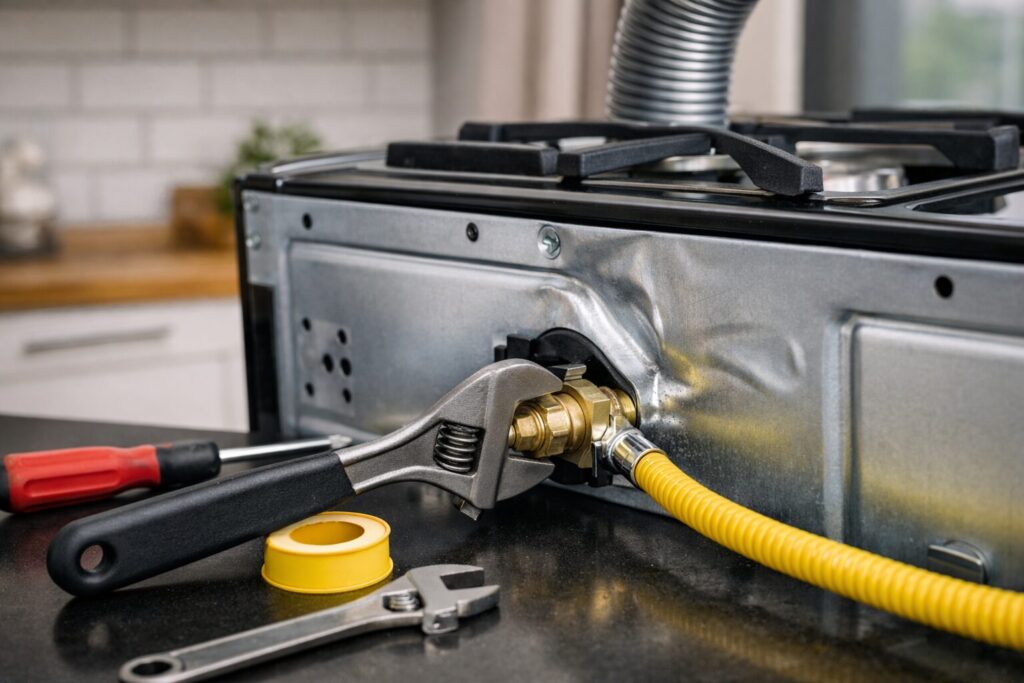
Yes. Shipping damage can affect gas connections on a gas range, potentially leading to leaks, misaligned fittings, or unsafe installation if the appliance is not thoroughly inspected before use. Many homeowners discover issues with gas lines, connectors, or valves after delivery, especially if the range was dropped, handled roughly, or shows visible dents and impact damage. It’s important to have a qualified professional inspect both the gas connections and the appliance itself before installation. Addressing shipping-related concerns early can help prevent costly repairs, unsafe conditions, or denied warranty coverage if damage was not reported promptly. CPS can assist with repair coordination, troubleshooting, and post-warranty support if issues arise after your initial delivery or installation.
Quick Summary: Shipping Damage and Gas Range Connections
Here’s what you need to know about shipping damage and gas range gas connections:
- Shipping damage can impact gas lines, connections, and valves, leading to leaks or unsafe operation.
- Many homeowners discover gas fitting issues only during installation or initial use.
- Visible dents, bends, or impact marks may signal internal or connection damage.
- Professional inspection is recommended before hooking up gas or using the appliance.
- Immediate reporting of shipping damage is usually required for warranty or delivery coverage.
|
Topic |
Quick Take |
|---|---|
|
Can shipping damage affect gas connections? |
Yes, physical impact can loosen, misalign, or damage gas fittings and lines. |
|
Common symptoms after shipping damage |
Leaking gas smell, loose fittings, visible dents, or appliance not igniting properly. |
|
What should you do if you suspect damage? |
Do not use the range; arrange a professional inspection before installation. |
|
Does warranty cover shipping damage? |
Coverage depends on when and how damage is reported—immediate inspection is critical. |
|
Can CPS help? |
CPS provides repair coordination, troubleshooting, and support for eligible gas ranges. |
free
Limited Time Offer
Get 3 months free on any protection plan.
Don’t wait for something to break. Get covered today and your first three months are on us.
What Should You Look For if Your Gas Range Was Damaged During Shipping?
When a gas range arrives with signs of shipping damage, it’s important to know what to check and how to protect yourself from further risk or costly repairs. Customers often want to understand which warning signs to look for and how coverage applies if the gas connections might be affected.
- Inspection of all gas lines, connectors, and valves for leaks or misalignment
- Visible dents, bends, or impact damage near the gas hookup area
- Immediate reporting of any shipping damage to the retailer or warranty provider
- Confirmation that installation is performed by a qualified professional
- Clarity on warranty coverage limitations related to shipping and installation issues
What Experience Does CPS Have With Gas Range Repairs and Shipping Damage?
With over 75 million products covered and decades of nationwide claims administration, CPS has extensive experience supporting homeowners through shipping damage claims, gas range repairs, and post-delivery safety concerns. Based on CPS’s historical claims data, shipping-related gas line and connection issues are among the most important early ownership risks to address.
- Shipping damage is a common source of gas connection issues with new ranges
- Misaligned or damaged gas fittings can lead to leaks, ignition problems, or unsafe operation
- Professional inspection is often required before warranty coverage is approved
- Unreported shipping damage may limit coverage eligibility or delay repairs
- Many claims involve both cosmetic and functional repairs after delivery incidents
What Gas Range Repairs Are Most Common After Shipping Damage?
Based on CPS’s historical claims data, gas range repairs related to shipping damage often involve gas line leaks, damaged connectors, or ignition issues that appear during installation or first use. Early reporting and professional inspection are critical for both safety and maximizing warranty support.
|
Product or Repair Type |
Common Issue |
Why It Can Be Expensive or Important |
CPS Repair Insights |
|---|---|---|---|
|
Gas Range |
Gas line or connector damage |
Leak risk, requires professional repair and parts replacement |
Based on CPS claims data from comparable shipping-related appliance events, gas line and connector damage is one of the highest-priority repair conditions reported during installation or first ignition testing. Historical CPS repair data suggests nearly 30%–40% of freight-related gas range claims involve loose fittings, cracked connectors, or stressed gas inlet assemblies caused during transit. Claims involving these failures typically require licensed gas technicians, leak testing, and replacement of regulators or flexible supply lines, with approved repair totals commonly ranging from $320–$780 depending on accessibility and installation complexity. CPS claims activity indicates many consumers delay use after detecting gas odors, especially shortly after delivery or installation. |
|
Gas Range |
Misaligned or bent fittings |
Prevents safe installation; may need new parts or adjustments |
CPS repair history shows bent fittings and damaged rear connection points are frequently discovered during delivery setup or within the first 90 days of ownership. According to historical CPS repair records, these shipping-related alignment issues often trigger secondary repairs involving burner valves, mounting brackets, or gas manifold adjustments after vibration or impact exposure in transit. Repair invoices commonly range between $240–$650, although escalation is common when installers uncover hidden stress fractures or damaged threading. Across approved CPS appliance claims, repeat service visits occur in roughly 18% of cases because initial alignment corrections may not fully restore safe gas flow or burner performance. |
|
Gas Range |
Ignition failure after shipping |
May indicate internal damage to gas delivery system |
CPS claims data shows ignition-related failures after shipping frequently involve damaged spark modules, loose igniter switches, fractured ceramic igniters, or disconnected wiring harnesses caused by vibration during transportation. Service history from CPS claims indicates these failures commonly appear immediately after installation or within the first year of ownership, particularly on slide-in models with heavier cooktop assemblies. Diagnostic labor can become expensive because technicians often need to inspect both electrical and gas-delivery systems before confirming the root failure. Approved CPS repair totals typically range from $280–$920 depending on whether relay boards, ignition harnesses, or burner assemblies require replacement. Claims involving intermittent ignition problems also show above-average repeat-visit rates due to recurring electrical grounding issues. |
|
Gas Range |
Valve or regulator damage |
Affects gas flow and appliance safety; critical to repair |
Historical CPS repair data suggests regulator and valve damage is among the most safety-sensitive gas range repairs tied to shipping impact events. These failures often emerge during initial installation testing or shortly after manufacturer warranty activation, especially when appliances experience side-impact movement or improper freight handling. Claims involving these failures typically require full regulator replacement, burner recalibration, pressure testing, and multiple diagnostic checks, with total repair exposure commonly reaching $450–$1,150. CPS claims activity indicates replacement authorization becomes more likely once repair estimates approach 50%–60% of comparable replacement value due to labor escalation and safety liability concerns. |
|
Gas Range |
Cosmetic dents affecting connections |
May hide underlying gas line or internal issues |
Based on CPS claims data from comparable cosmetic-damage inspections, visible dents near rear panels or lower frame sections frequently conceal internal connector strain, cracked mounting points, or shifted burner assemblies. CPS repair history shows consumers often initially report cosmetic concerns only to discover ignition inconsistencies or gas-flow irregularities during installation. Inspection-related claims commonly expand into additional repairs once internal access panels are removed, increasing approved invoice totals into the $350–$900 range. According to historical CPS repair records, these hidden-condition claims are most common immediately after delivery and during early ownership periods when freight-related structural stress has not yet been fully identified. |
Why Do Customers Trust CPS for Gas Range Warranty Support?
Customers trust CPS for gas range warranty support because of the company’s repair coordination experience, flexible coverage options, and ability to assist with both functional and shipping-related appliance issues.
- Repair coordination for gas line, connector, and ignition issues
- Access to authorized service professionals for safe gas appliance repairs
- Support for new, refurbished, and open-box gas ranges
- Guidance for claims involving shipping or installation damage
- Assistance after manufacturer warranty expiration
Can CPS Help if My Gas Range Is Already Out of Warranty?
If your gas range is out of warranty or you discover damage after the initial delivery period, CPS may still be able to help with repair referrals, troubleshooting guidance, and—when eligible—extended protection options for certain products.
- Factory-authorized repair referral assistance for gas ranges with shipping or post-warranty issues
- Troubleshooting and repair coordination support for out-of-warranty products
- Help with locating replacement parts and qualified service professionals
- Guidance on extended protection eligibility for certain gas ranges after purchase or delivery
|
Contact Method |
Details |
Best For |
|---|---|---|
|
Phone |
(800) 905-0443 |
Speaking directly with a CPS representative |
|
Web Chat |
|
Quick support and troubleshooting guidance |
|
CPS Client Care Portal |
https://client.cpscentral.com/ |
Claims, account access, and service support |
|
Text Message |
Text (347) 621-7180 |
Quick customer support questions |
|
Facebook Messenger |
http://m.me/ConsumerPriorityService |
General support and communication |
|
|
cs@cpscentral.com |
Detailed questions and documentation |
What Should You Know About Gas Range Shipping Damage and Warranty Support?
Can shipping damage cause gas leaks in a new gas range?
Yes. Shipping damage can loosen or damage gas connections, which may result in leaks or unsafe operation if not inspected and repaired before use.
What are the signs that shipping affected my gas range’s gas connections?
Common signs include a gas smell, loose fittings, visible dents or bends near the gas hookup, appliances not igniting, or abnormal noises during operation.
Should I install a gas range if I suspect shipping damage?
No. Always have a qualified technician inspect the range and gas connections before installation if you notice any signs of damage.
Does my warranty cover shipping damage to gas connections?
CPS and most manufacturers require immediate reporting of shipping damage for coverage to apply, especially for gas-related safety issues.
What should I do if I find damage after delivery?
Contact the seller or warranty provider immediately, document the damage with photos, and do not attempt installation until a professional inspection is completed.
Can CPS help with gas range repairs if my warranty has expired?
Yes. CPS can assist with troubleshooting, repair referrals, and in some cases, extended protection options for eligible products even after the original warranty period.
Are refurbished or open-box gas ranges eligible for protection?
Many refurbished and open-box gas ranges may qualify for CPS protection plans, but eligibility depends on product condition and purchase details.
What if my installer finds a gas leak during setup?
If a leak or unsafe condition is found, stop installation immediately, report the issue to your warranty provider or retailer, and arrange for a professional repair before using the appliance.
Why is professional inspection important after shipping damage?
Gas appliances require strict safety checks; improper installation or unnoticed damage can create serious hazards. A professional ensures the range is safe and eligible for warranty support if repairs are needed.
repair
No Hidden Fees
One price covers all parts, labor, makes & models.
Skip the guesswork. Our flat rate repair program means you know exactly what you’ll pay — before we start.
Looking for Warranty Coverage or Repair Support for Your Gas Range?
If you’re concerned about shipping damage or want to protect your gas range from costly future repairs, CPS can help you explore coverage options and support resources.
For many homeowners, shipping damage is an unexpected risk that can lead to gas leaks, unsafe conditions, or denied warranty coverage if not addressed promptly. As gas ranges become more advanced and installation requirements more complex, early inspection and professional repair support are especially important after delivery or when damage is suspected. Customers often compare repair costs, safety concerns, and coverage options before deciding whether additional protection or repair assistance is worthwhile—especially for high-end or specialty appliances. Explore your options to make sure your gas range is safe, reliable, and protected for the long term.
 SPECIAL OFFER
 Coverage for scratch & dent models