

Cooktop Extended Warranty: Induction, Gas, and Electric Coverage Explained
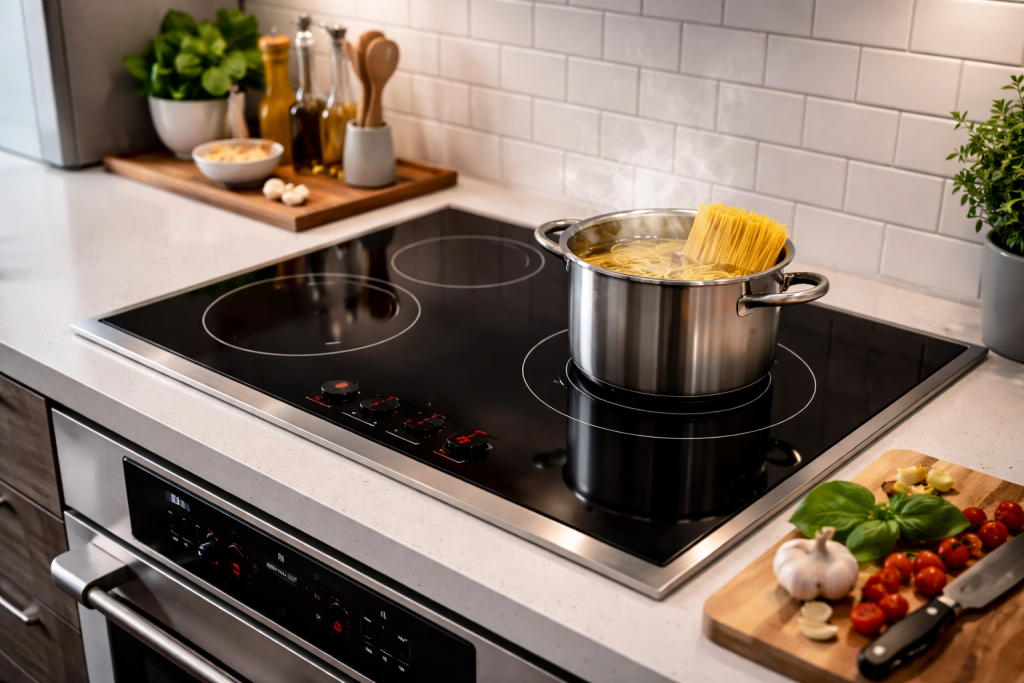
Picture this: you’ve just invested in a new induction, gas, or electric cooktop—only to worry about a costly repair or breakdown after the manufacturer’s warranty expires. For many homeowners, this moment of uncertainty triggers questions about whether an extended warranty is worth it, what it actually covers, and how to make the smartest protection choice. The stakes are real: cooktop repairs can disrupt daily routines and hit your wallet hard, especially as appliances become more complex and expensive to fix.
This guide unpacks everything you need to know about cooktop extended warranties. We’ll clarify what’s covered (and what’s not), explain how these protection plans work for modern cooktops, and help you avoid common pitfalls. Whether you’re shopping for a new appliance or reconsidering coverage for your current model, you’ll find straightforward answers and practical advice to protect your investment.
Key Facts: Cooktop Extended Warranty—At a Glance
- Extended warranties for cooktops cover mechanical and electrical failures after the manufacturer’s warranty ends.
- Coverage typically includes both parts and labor for repairs or replacement of major components.
- Most plans do not cover accidental damage, cosmetic issues, or pre-existing problems.
- Repairing or replacing a failed induction cooktop control board can cost $400–$700 out of pocket.
- You can often purchase a plan within 30–60 days of buying your cooktop, sometimes longer depending on provider policies.
What Is a Cooktop Extended Warranty?
A cooktop extended warranty is a service plan you can buy to cover repair costs after the original manufacturer’s warranty expires. These plans are available for gas, electric, and induction cooktops, and are designed to protect you from unexpected breakdowns due to normal use. Rather than paying out of pocket for parts or labor, you file a claim, and the provider connects you with an authorized service professional to handle repairs.
How Does Cooktop Extended Warranty Coverage Work?
- Purchase: Buy the extended warranty at the time of cooktop purchase or within a provider’s eligibility window (commonly up to 12 months for new appliances).
- Registration: Register your product and warranty, often required for full coverage benefits. Register your warranty here.
- Coverage Period: Extended coverage starts after the manufacturer’s warranty ends, typically offering 1–5 additional years of protection.
- Claim Process: If your cooktop fails due to a covered event, file a claim online or by phone. The provider arranges for an authorized repair technician.
- Repair or Replacement: If the issue is covered, parts and labor are included. If repair isn’t possible, some plans offer replacement or reimbursement.
Who Should Consider an Extended Warranty for a Cooktop?
- Homeowners with high-end, induction, or specialty cooktops
- Those who rely on their cooktop daily and can’t risk extended downtime
- Anyone concerned about unexpected repair costs after the manufacturer’s warranty expires
- Buyers of out-of-warranty or scratch-and-dent appliances (if eligible)
What Triggers Cooktop Extended Warranty Coverage?
Coverage is triggered by mechanical or electrical failure due to normal use—for example, if your cooktop’s ignition system, control panel, or heating element stops working after the original warranty period. Issues caused by accidents, misuse, or improper installation are typically excluded.
How to Use Your Cooktop Extended Warranty
- Identify the failure or problem as soon as it occurs.
- Check your warranty terms to confirm coverage for the specific issue.
- File a claim promptly. For Consumer Priority Service, visit How to File a Claim.
- Follow instructions to schedule authorized service or repair.
- Keep all service records for future reference.
What’s Covered and What’s Not: Cooktop Warranty Coverage Details
Typical Coverage Inclusions
- Electrical components (burners, control boards, touch panels)
- Mechanical parts (igniters, switches, fans, internal wiring)
- Labor costs for diagnosis and repair
- Replacement of failed components (when repair isn’t possible)
For example, if your induction cooktop’s glass top stops heating due to a failed relay board, a covered plan would pay for both the part and the professional labor—often a $400–$700 expense.
Common Exclusions
- Accidental damage (drops, spills, impact)
- Cosmetic issues (scratches, discoloration, minor dents)
- Pre-existing conditions or failures before plan purchase
- Improper installation or unauthorized repairs
- Consumables (knobs, light bulbs, removable accessories)
Gray Areas and Surprises
- Glass top cracks are usually excluded unless caused by covered mechanical failure.
- Damage from power surges may require a specific protection add-on.
- Some plans exclude commercial or rental property use—always check eligibility.
How to Read Coverage Terms Before Buying
- Look for clear definitions of what constitutes a mechanical or electrical failure.
- Check the start date and length of extended coverage.
- Confirm the process for filing claims and what documentation you’ll need.
- Review exclusions carefully—don’t assume accidental damage is included.
Real-World Costs: Why Extended Cooktop Protection Matters
Major cooktop repairs can be costly. For instance, replacing a control board on an induction cooktop typically runs $400–$700 with parts and labor. Gas ignition system repairs can cost $150–$400, and full glass top replacement may exceed $600. Extended warranty coverage can shield you from these unexpected bills—especially as appliance technology becomes more sophisticated and proprietary.
Common Misconception: All Damage Is Covered
Many consumers mistakenly believe an extended warranty covers any kind of breakage, including accidental or cosmetic damage. In fact, most plans—including those from Consumer Priority Service—cover only mechanical and electrical failures due to normal use. Accidental damage usually requires a separate protection plan or insurance policy.
Practical Guidance
- Keep your purchase receipt and proof of registration handy for any claims.
- Perform routine maintenance as recommended by the manufacturer to avoid denial of claims.
- Contact your provider promptly at the first sign of trouble—delaying can complicate claims.
When to Involve a Professional or Extended Warranty Provider
If your cooktop experiences a sudden, unexplained failure—such as the burners not igniting, the control panel going dark, or repeated error codes—it’s time to involve a professional. DIY repairs can void remaining coverage or worsen the issue. Extended warranty providers like CPS work with authorized service networks, connecting you to qualified technicians who use approved parts and processes. This is especially valuable for high-end or induction models, where specialized repair is essential and costs can escalate quickly.
How Consumer Priority Service (CPS) Can Help
Consumer Priority Service offers extended warranty protection plans for all major cooktop types—including induction, gas, and electric models. As a trusted warranty provider, CPS connects you to factory-authorized repair networks for covered failures, giving you peace of mind and real financial protection. Learn more about appliance extended warranty coverage or get a free quote tailored to your needs.
Frequently Asked Questions
Q: Does an extended warranty cover accidental damage to my cooktop?
A: No, most extended warranties—including those from CPS—cover only mechanical and electrical failures due to normal use. Accidental damage, such as dropped objects or spills, is typically excluded unless you purchase a specific accidental damage plan.
Q: Can I buy an extended warranty after purchasing my cooktop?
A: Yes, many providers allow you to purchase an extended warranty within a set period—often 30 to 60 days after buying your cooktop. Some may extend this window, but eligibility depends on product age and condition.
Q: How do I file a claim for a covered cooktop failure?
A: To file a claim, contact your warranty provider through their website or customer service line. For CPS, visit the claim portal. You’ll need your warranty details, product info, and a description of the problem.
Q: Are all brands and models eligible for extended warranty coverage?
A: Most major cooktop brands and models are eligible for coverage, but eligibility can vary based on product age, condition, and whether the cooktop is new, used, or refurbished. Always check with the provider before purchasing a plan.
Q: Is labor included in cooktop extended warranty repairs?
A: Yes, reputable extended warranty plans cover both parts and labor for covered repairs. This means you won’t pay out of pocket for service calls or technician time if your claim is approved.
Q: What happens if my cooktop can’t be repaired?
A: If a covered failure can’t be fixed, your plan may offer a replacement cooktop or reimburse you for the depreciated value, depending on the terms. Check your policy for specifics before purchasing.
Conclusion
Choosing an extended warranty for your induction, gas, or electric cooktop can protect you from unexpected repair costs and the inconvenience of appliance downtime. By understanding what’s covered, what isn’t, and how claims work, you can make a confident decision that fits your needs and budget. Review your cooktop’s manufacturer warranty, compare extended coverage options, and consider registering with a trusted provider like Consumer Priority Service before trouble strikes. For added assurance, explore CPS warranty plans and protect your kitchen investment for years to come.

Still need help with your appliance?
If you’ve gone through the troubleshooting steps and the problem isn’t resolved, it may be time to think about protecting your appliance before the next issue appears. Our extended warranty plans continue coverage after the manufacturer’s warranty ends, helping cover repairs, parts, and service when unexpected breakdowns happen. With simple claims and dedicated support, protecting your appliance is easy.
Get Flat Rate Repair Program