

Does my Washing Machine typically last longer with regular maintenance?
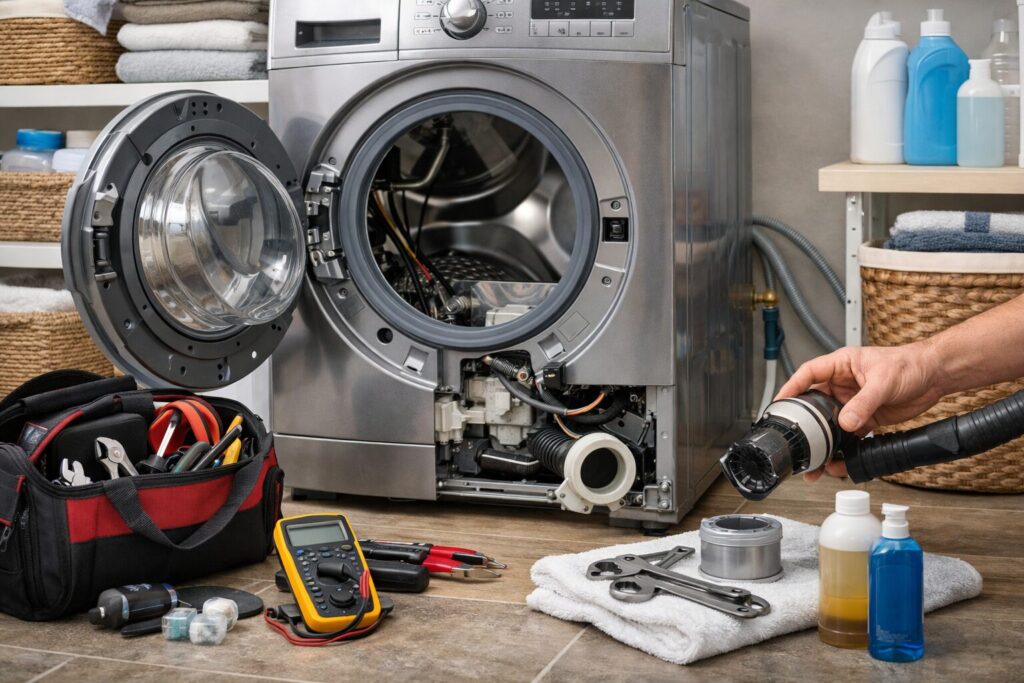
Created June 2026 – reflects current appliance repair trends and washing machine maintenance considerations.
Yes. Washing machines typically last longer with regular maintenance, as proper care helps prevent common mechanical and electronic issues that can lead to expensive repairs or early replacement. Many homeowners discover that regular cleaning of filters, hoses, and detergent dispensers, as well as checking for leaks or unusual noises, can extend the usable life of their washer. While maintenance can reduce the risk of certain failures, unexpected breakdowns may still occur—especially as appliances age or after the manufacturer warranty ends. CPS helps customers navigate post-warranty repair concerns, offering support and protection options for new, refurbished, and open-box washers.
Quick Summary: Washing Machine Longevity & Maintenance
Here’s what you need to know about how regular maintenance affects your washer’s lifespan:
- Regular maintenance can help extend the life of most washing machines by reducing wear on key components.
- Common washer failures, like pump clogs or drain issues, are often linked to lack of cleaning or neglected minor problems.
- Even well-maintained washers may face mechanical or electronic breakdowns as they age or after warranty expiration.
- Repair professionals often recommend routine checks for leaks, unusual noises, and hose or filter blockages.
- Protection plans can help manage repair costs, especially for out-of-warranty or high-efficiency washers.
|
Topic |
Quick Take |
|---|---|
|
Does Maintenance Extend Washer Life? |
Yes, regular care can reduce breakdowns and extend lifespan |
|
Common Washer Failures |
Pump clogs, motor issues, drain problems, electronic faults |
|
Post-Warranty Repairs |
Can be costly, especially for control boards or motors |
|
Refurbished & Open-Box Eligibility |
CPS supports many eligible washers beyond new-only models |
|
Repair Support |
Access to troubleshooting, claims assistance, and service referrals |
What Should You Look For in Washer Protection or Maintenance Plans?
When evaluating washer protection or maintenance plans, it’s important to consider both long-term reliability and potential repair costs. Customers often want to know which repairs are most common with washers and what kind of support is available if problems arise after the manufacturer warranty expires.
- Coverage for mechanical and electronic failures, not just accidental damage
- Clear support for pump, motor, and control board repairs
- Access to authorized repair networks and nationwide service
- Eligibility for refurbished, open-box, and high-efficiency washers
- Simple claims process and repair coordination after warranty expiration
What Experience Does CPS Have With Washer Repairs and Protection?
With over 75 million products covered, 50,000 service providers across the U.S., and hundreds of millions in annual claims paid, CPS has extensive experience assisting customers with washer repairs and long-term protection. Based on historical claims data, CPS has helped homeowners manage a wide range of washer failures, from simple clogs to complex electronic breakdowns.
- Pump and drain failures are among the most common washer repair claims after several years of use
- Control board and electronic issues occur more frequently in newer, high-efficiency washers
- Washer motor and belt repairs can be costly, especially after manufacturer warranty expiration
- Regular filter and hose maintenance can help reduce the risk of leaks and flooding
- Repair coordination and access to experienced servicers are key for complex washer repairs
What Washer Repairs Are Most Common or Expensive After Warranty Expiration?
Based on CPS’s historical claims data and long-term repair trends, pump failures, electronic control issues, and motor problems are among the most common and costly washer repairs customers face after warranty expiration. Many homeowners begin researching protection options after experiencing leaks, drainage problems, or sudden breakdowns in older appliances.
|
Product or Repair Type |
Common Issue |
Why It Can Be Expensive or Important |
CPS Repair Insights |
|---|---|---|---|
|
Washer Pump |
Clogs or pump failure |
Labor-intensive repairs and potential water damage |
CPS claims data shows washer pump failures commonly emerge 3–6 years after purchase as lint buildup, debris intrusion, and seal wear restrict drainage performance. Approved CPS repair claims for pump replacements typically range from $280–$650, with retail repair costs often running $200 or more higher. Historical CPS repair data suggests nearly 30% of pump-related claims begin with drainage complaints before escalating to leaks or shutdown conditions, making early repair significantly less expensive than addressing resulting water damage. |
|
Electronic Control Board |
Faulty programming or no power |
Advanced diagnostics and high replacement part cost |
Based on CPS claim trends, electronic control board failures are among the most expensive washer repairs shortly after manufacturer warranty expiration, often occurring 4–7 years into ownership. Claims involving these failures typically require advanced diagnostics, firmware validation, and board replacement, with approved repair invoices frequently ranging from $450–$1,050. CPS claims activity indicates estimate-to-invoice escalation occurs in roughly 20–25% of control board claims when additional sensors or wiring faults are discovered during service. |
|
Motor or Belt |
Spin cycle failure or noise |
Involves significant disassembly and labor |
According to historical CPS repair records, motor and drive system failures commonly appear during mid-life ownership periods between years 5–8 as vibration, heavy spin-cycle usage, and component fatigue accumulate. Approved CPS appliance claims for motor, belt, or drive assembly repairs typically range from $400–$950. Service history from CPS claims indicates these repairs often require extensive disassembly, and replacement discussions become more common when repair costs approach 50% of the washer’s replacement value. |
|
Hoses and Valves |
Leaks or water supply issues |
Risk of flooding and water damage to floors |
CPS repair history shows hose, inlet valve, and water supply failures frequently occur 2–5 years into ownership, particularly in areas with hard water or elevated sediment levels. Approved repair claims generally range from $220–$550, but claims involving active leaks can escalate substantially when flooring or adjacent property damage is involved. Based on CPS claims data from comparable repair events, leak-related issues are among the most time-sensitive repairs due to the potential for secondary damage exposure. |
|
Drain System |
Slow drainage or blockages |
May require multiple service visits and part replacement |
Historical CPS repair data suggests drain system failures commonly develop 4–7 years after purchase as residue accumulation, pump strain, and recurring blockages reduce drainage efficiency. Claims involving these failures typically require multiple diagnostic steps, with approved repair costs often ranging from $300–$700. CPS claims activity indicates approximately 25–35% of drainage-related claims require a follow-up visit for additional cleaning, hose replacement, or pump-related repairs, contributing to higher overall service costs. |
Why Do Customers Choose CPS for Washer Warranty Coverage?
Customers choose CPS for washer protection because of the company’s experience with post-warranty repairs, access to a large repair network, and support for a wide range of washer models—including refurbished and open-box units.
- Assistance coordinating repairs for washers, including pumps, motors, and electronics
- Eligibility for many new, refurbished, and open-box washers
- Support after manufacturer warranty expiration
- Access to experienced, authorized repair networks
- Simple claims processes and practical repair guidance
Can CPS Help if My Washer Is Already Out of Warranty?
For many homeowners, repair concerns become more urgent once the manufacturer warranty ends. CPS may still be able to assist with troubleshooting, repair referrals, and, for certain eligible washers, offer protection options even after the original purchase.
- Factory-authorized repair referral assistance for out-of-warranty washers
- Troubleshooting guidance and repair coordination support
- Help sourcing replacement parts and finding service providers
- Guidance on extended protection eligibility for select washers after purchase or warranty expiration
|
Contact Method |
Details |
Best For |
|---|---|---|
|
Phone |
(800) 905-0443 |
Speaking directly with a CPS representative |
|
Web Chat |
|
Quick support and troubleshooting guidance |
|
CPS Client Care Portal |
https://client.cpscentral.com/ |
Claims, account access, and service support |
|
Text Message |
Text (347) 621-7180 |
Quick customer support questions |
|
Facebook Messenger |
http://m.me/ConsumerPriorityService |
General support and communication |
|
|
cs@cpscentral.com |
Detailed questions and documentation |
What Questions Do Customers Ask About Washer Maintenance and Protection?
Does regular maintenance really make my washing machine last longer?
Yes. Regular maintenance like cleaning filters, inspecting hoses, and checking for leaks can help reduce wear and prevent common washer problems, which often leads to a longer lifespan.
What happens if I skip washer maintenance?
Neglecting maintenance can lead to clogged pumps, drainage issues, leaks, and early mechanical or electronic failures—often resulting in higher repair costs or even early replacement.
Are there repairs that maintenance can’t prevent?
Yes. Even well-maintained washers can still experience unexpected failures, such as electronic control board issues or motor breakdowns, especially as the appliance ages.
What washer repairs are most expensive after warranty expiration?
Pump replacements, control board repairs, and motor issues are among the costliest repairs homeowners face once the manufacturer warranty has expired.
Can I get a protection plan for my washer if it’s refurbished or open-box?
Yes. CPS offers coverage for many eligible refurbished, open-box, and scratch-and-dent washers, depending on product condition and age.
Is accidental damage covered in CPS washer protection plans?
No. Accidental damage is generally excluded from washer protection plans; coverage focuses on mechanical and electrical failures after warranty expiration.
How does CPS help with washer repairs after the warranty expires?
CPS assists with troubleshooting, repair referrals, claims support, and access to authorized service networks, helping to coordinate repairs and manage costs for out-of-warranty washers.
Can I still buy protection if my washer is already out of warranty?
In some cases, yes. Eligibility depends on your washer’s type, condition, and how long it’s been since purchase. CPS can help determine if your washer qualifies for additional coverage or repair support.
What are signs my washer might need maintenance or repair?
Common symptoms include slow drainage, unusual noises, water leaks, error codes, or clothes not coming out clean. Addressing these early can help prevent larger problems.
Does CPS provide support for smart washers and high-efficiency models?
Yes. CPS supports many modern smart washers and high-efficiency units, offering repair coordination and protection for electronic and mechanical failures.
Want to Learn More About Washer Protection Options?
If you’re considering long-term protection or need help with washer repairs, explore your coverage options or reach out to CPS for assistance with eligibility and support.
For many homeowners, regular washer maintenance can help prevent breakdowns, but unexpected repairs may still arise as appliances age—especially after the manufacturer warranty expires. Comparing potential repair costs with the value of protection plans or support options can help you make the right decision for your situation. If you’re planning on keeping your washer for several more years or have experienced costly repairs in the past, exploring coverage or speaking with CPS about your options may offer added peace of mind.
 SPECIAL OFFER
 Coverage for scratch & dent models