

Hidden Costs of Appliance Repairs Without Coverage
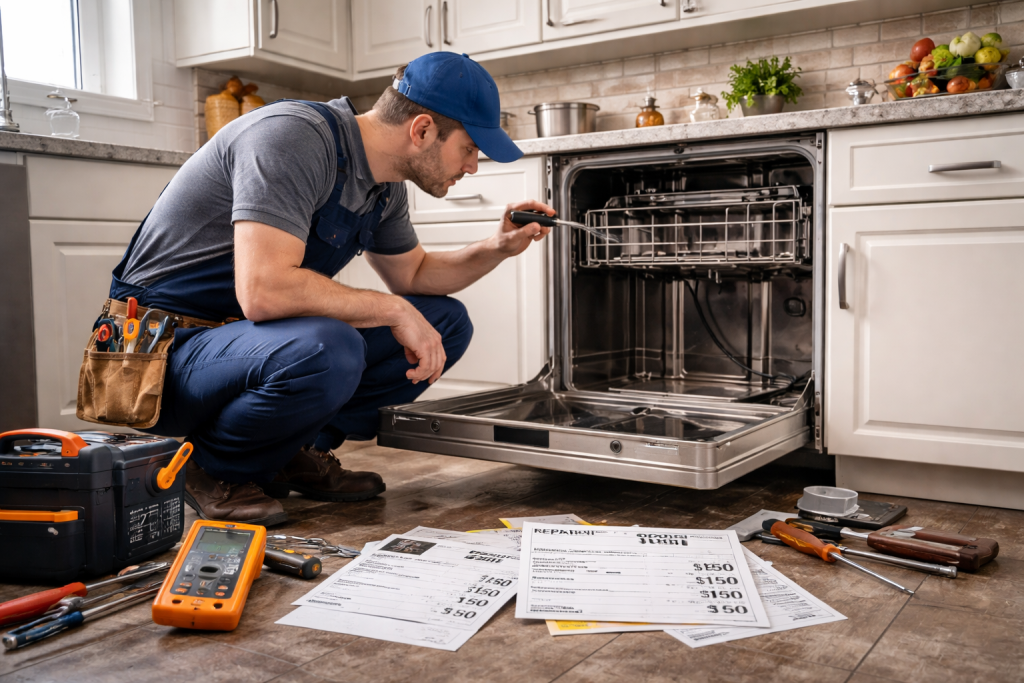
Picture this: your refrigerator suddenly stops cooling just days after the manufacturer’s warranty expires. The food inside spoils, and you’re left with a repair bill that’s far higher than expected. For many homeowners, appliance breakdowns are a frustrating and expensive surprise—especially when there’s no protection plan in place. It’s easy to underestimate the true costs involved until you’re faced with a repair technician’s estimate or the prospect of replacing the appliance entirely.
Appliance repairs can be unpredictable, and out-of-pocket costs often go beyond just parts and labor. From hidden service fees to emergency call charges and potential downtime, the financial impact can quickly add up. In this guide, we’ll break down the real, often overlooked costs of repairing appliances without extended warranty coverage, clarify common misconceptions, and help you make an informed decision about protecting your home’s essential devices.
Key Takeaways: Hidden Costs of Appliance Repairs Without Coverage
- Appliance repairs can cost anywhere from $200 to over $1,000, depending on the type and severity of the issue.
- Without an extended warranty, homeowners are responsible for all repair costs after the manufacturer’s warranty ends.
- Unexpected costs—like diagnostic fees, parts shortages, and emergency service charges—often catch consumers off guard.
- Many people mistakenly believe that minor repairs will always be affordable or that appliances rarely fail after the initial warranty period.
- Extended warranty coverage can help guard against large, unplanned expenses and streamline access to authorized repair professionals.
The True Cost of Appliance Repairs Without Coverage
Typical Repair Expenses
Repairing major home appliances—such as refrigerators, washing machines, ovens, or dishwashers—can be more expensive than many consumers anticipate. For example, replacing a refrigerator compressor often costs between $300 and $600, while a new control board for a modern washing machine might exceed $400. In some cases, the total bill can rival the price of a new appliance, especially for high-end models or when multiple components fail at once.
Hidden and Indirect Costs
- Diagnostic fees: Many repair services charge $75–$150 just to assess the problem, regardless of whether you proceed with the repair.
- Emergency or after-hours surcharges: If your appliance fails at an inconvenient time, you may pay premium rates for urgent service.
- Service call minimums: Some providers bill a minimum labor charge even for minor fixes.
- Parts availability delays: Waiting for specialized parts can mean extended downtime, leading to additional costs like eating out or laundry services.
- Repeat breakdown risks: A single repair rarely guarantees long-term reliability—especially for aging appliances.
Common Misconceptions About Repair Costs
A frequent mistake is assuming manufacturer warranties or homeowners insurance will cover most repair scenarios. In reality, manufacturer warranties typically last one year and only cover defects—not wear and tear or accidental damage. Homeowners insurance rarely covers appliance breakdowns due to mechanical failure. As a result, many consumers are left unprotected once standard coverage ends.
What Factors Drive Up Appliance Repair Costs?
- Age and type of appliance: Older or high-tech appliances may require specialized parts or expertise, driving up costs.
- Brand and model complexity: Premium brands or imported models often have higher repair bills due to expensive components or limited authorized service options.
- Location: Service rates vary by region, and rural areas may face additional travel fees.
- Severity of the failure: Multiple component failures or recurring issues can multiply costs quickly.
When Is Professional or Extended Warranty Protection Warranted?
There’s a threshold where DIY repairs and out-of-pocket payments no longer make sense—especially for costly or complex appliances. If a single repair approaches several hundred dollars or your appliance plays a critical role in daily life, professional coverage becomes a practical safeguard. Extended warranties are particularly valuable for:
- High-value or essential appliances (refrigerators, washers, ranges, etc.)
- Products with a history of service issues or expensive parts
- Households that prefer predictable budgeting over surprise expenses
While not every appliance justifies extended protection, the risk of major, unplanned bills often outweighs the modest annual cost for coverage—especially after the manufacturer’s warranty expires.
How Consumer Priority Service (CPS) Can Help
Consumer Priority Service offers a range of appliance extended warranty and electronics protection plans designed to shield you from costly repair surprises. CPS connects you to nationwide, factory-authorized service networks and provides transparent coverage options for most major appliances and electronics. Learn more about how a CPS protection plan can help you avoid unexpected repair bills and keep your home running smoothly.
Frequently Asked Questions
A: Repairs involving sealed systems (like refrigerator compressors), control boards, or specialized electronics tend to be costliest. For example, a sealed system repair can easily exceed $600, while electronic control board replacements often run $300–$500.
A: Most extended warranties cover mechanical and electrical failures due to normal use after the manufacturer’s warranty ends. Accidental damage coverage may be available as an add-on for certain products—always check your specific plan details before purchasing.
A: Yes, many providers—including CPS—allow you to purchase extended coverage after your initial appliance purchase, provided the unit is still in good working condition and within the eligibility window.
A: Extended warranties typically exclude pre-existing conditions, cosmetic damage, improper installation, or repairs due to misuse. Always review your coverage terms to understand any exclusions.
A: To file a claim, contact your warranty provider (such as CPS), provide proof of coverage, and follow the claim instructions—usually involving a service call and, if eligible, referral to an authorized repair center.
Conclusion
The costs of appliance repairs without extended warranty coverage can be steep—often far more than homeowners expect. While some repairs are manageable, the risk of major failures and hidden fees makes extended protection a smart investment for many. Taking action before trouble strikes lets you avoid financial surprises and ensures you have expert support when you need it most. To see how an extended warranty could fit your needs, consider exploring CPS protection plans or getting a free quote today.

Still need help with your appliance?
If you’ve gone through the troubleshooting steps and the problem isn’t resolved, it may be time to think about protecting your appliance before the next issue appears. Our extended warranty plans continue coverage after the manufacturer’s warranty ends, helping cover repairs, parts, and service when unexpected breakdowns happen. With simple claims and dedicated support, protecting your appliance is easy.
Get Flat Rate Repair Program