

Refrigerator not cooling but freezer works
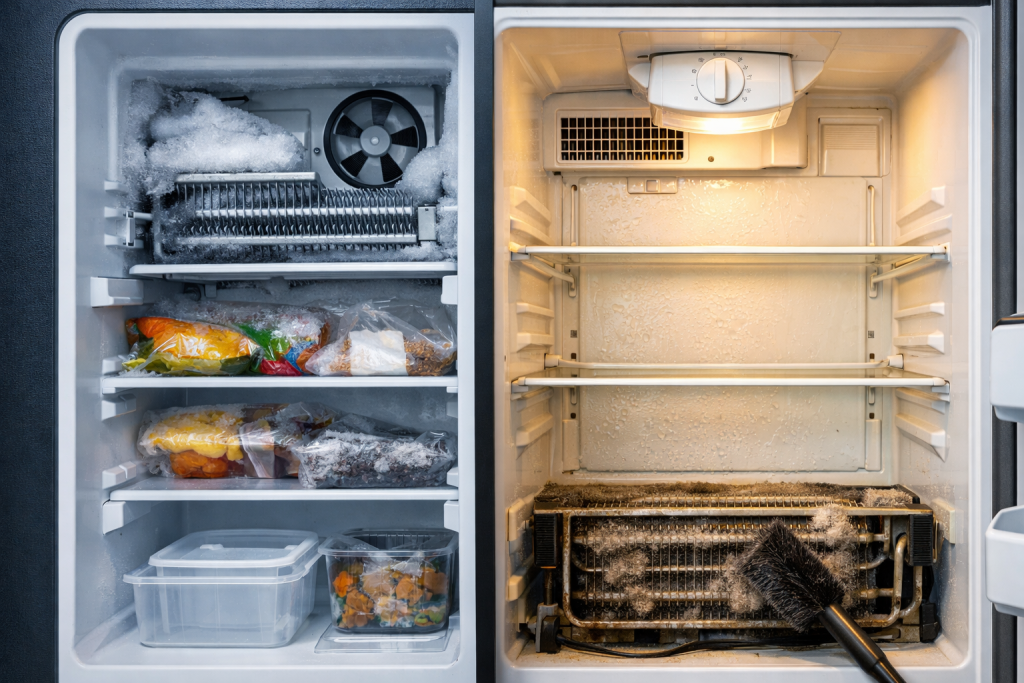
When your refrigerator isn’t cooling but the freezer works, it’s usually a sign of an internal airflow or component issue. The problem often lies with blocked vents, failed fans, or a malfunction in the cooling control system. Many of these issues can be addressed with basic cleaning and inspection, but if the problem persists after simple steps, professional repair may be necessary to restore proper function.
Why is my refrigerator not cooling but the freezer works?
Short answer: The most common reason your refrigerator isn’t cooling while the freezer still works is a problem with airflow between the freezer and fridge sections—often caused by a blocked vent, faulty evaporator fan, or a malfunctioning damper control. In some cases, a defrost system failure or dirty condenser coils can also contribute.
The Most Common Causes
- Blocked or frosted-over air vents restricting cold air flow
- Evaporator fan motor failure preventing air circulation
- Malfunctioning damper control not allowing cold air into the fridge
- Dirty or obstructed condenser coils hindering cooling efficiency
- Defrost system failure causing ice buildup in the freezer compartment
Addressing the issue promptly can prevent food spoilage and reduce the risk of more costly repairs. If simple cleaning and checks don’t resolve the problem, seeking professional assistance is recommended.
Need Professional Refrigerator Repair? CPS Connects You to Factory-Authorized Service
Short answer: If cleaning vents and coils or replacing a filter does not restore cooling to your refrigerator, professional service may be necessary to accurately diagnose and repair the underlying issue.
CPS Warranty service connects you with qualified, factory-authorized technicians to ensure safe and reliable refrigerator repairs.
- Brand-trained technicians
- OEM manufacturer-approved parts
- Repairs performed to manufacturer standards
- Nationwide authorized repair access
Schedule Factory-Authorized Refrigerator Repair
Why a Refrigerator That Isn’t Cooling But Freezer Works Should Not Be Ignored
Short answer: Delaying repairs can cause food to spoil, overwork other components, and lead to more extensive damage in your refrigerator.
- Secondary component damage (e.g., compressor strain)
- Electrical strain on cooling system
- Food spoilage and waste
- Higher repair cost risk if left unresolved
Early action helps protect your food and your appliance from further harm.
Try These Fixes First
Short answer: Begin by cleaning the refrigerator’s vents and condenser coils, and make sure nothing is blocking airflow between the freezer and fridge compartments.
How to Fix a Refrigerator That Isn’t Cooling But Freezer Works
- Unplug the refrigerator to ensure safety before inspection.
- Check and clear both the refrigerator and freezer vents for any visible blockages like food packages or ice.
- Clean condenser coils with a coil brush or vacuum, especially if located underneath or behind the appliance.
- Listen for the evaporator fan in the freezer compartment—if silent or intermittent, it may need service.
- Inspect the damper control (usually between freezer and fridge sections) to ensure it opens and closes freely.
- Check door seals for gaps, damage, or debris that could allow cold air to escape.
- Plug the refrigerator back in and give it several hours to see if cooling improves.
If cooling returns after these steps, the problem was likely due to a blockage or minor airflow issue. If not, further diagnosis or professional repair is needed.
How to Identify the Type of Failure
Short answer: The symptoms—such as whether the fridge is warm, the freezer is frosty, or you hear unusual noises—often point to the specific cause of the cooling issue.
If the refrigerator is warm but the freezer is frosty
This usually indicates a blocked vent or failed evaporator fan, as cold air from the freezer isn’t reaching the fridge compartment.
If you hear the freezer fan running but the fridge stays warm
The damper control may be stuck closed, preventing cold air flow into the fridge section.
If both compartments are not cooling as they should
A dirty condenser coil or a more significant compressor or control board issue may be affecting overall performance.
If there is visible frost buildup in the freezer
A defrost system failure could be causing ice to block air passages, impacting fridge cooling.
Repair Cost: What Should You Expect?
Short answer: Repair costs for this refrigerator issue typically range from $150 for minor fixes to $400 or more for significant component replacements.
- Service visit and diagnostic: $100–$200
- Minor component replacement (fan, damper): $150–$250
- Major component replacement (control board, defrost system): $250–$400+
- Costs vary by brand, model, and region.
Can I Buy a Warranty to Fix This Current Issue?
Short answer: No, extended warranty coverage applies only to future mechanical failures, not to issues that already exist at the time of purchase.
Your refrigerator must be fully functional when coverage begins. After repairing the current problem, you may be eligible for an extended protection plan to safeguard against future breakdowns.
Why Factory-Authorized Service Matters
Short answer: Factory-authorized repairs use the correct parts and procedures, helping protect your refrigerator’s performance and your investment.
- OEM parts for proper fit and function
- Brand-specific technician training
- Correct diagnostic and repair standards
- Unauthorized service risks: aftermarket or incorrect parts, misdiagnosis, and increased chance of repeat failures
After Repair: Protect Against Future Breakdowns
Short answer: Once your refrigerator is working properly, extended protection can help cover future breakdowns and reduce out-of-pocket repair costs.
- Motors
- Pumps
- Heating elements (defrost)
- Control boards
- Mechanical failures due to normal use
Refrigerator Not Cooling But Freezer Works FAQs
Why is my refrigerator not cooling but the freezer is cold?
The most common reason is blocked airflow or a failed fan preventing cold air from reaching the fridge section.
Can I fix this issue myself?
Basic cleaning and checking for blockages are safe to try, but complex repairs should be handled by professionals.
Will unplugging the fridge reset it?
Unplugging for 5–10 minutes can sometimes reset controls, but it does not fix mechanical or airflow problems.
How long should I wait after cleaning coils or vents?
Allow several hours for temperatures to stabilize and check if cooling improves.
Is food safe in a warm refrigerator if the freezer is still working?
No, perishable food should be moved or used quickly if fridge temperatures rise above 40°F.
Does a faulty thermostat cause this problem?
It can, but airflow blockages and fan issues are more commonly responsible for this specific symptom.
How can I tell if the evaporator fan is working?
You should hear the fan running when the freezer door switch is triggered; silence may indicate failure.
Should I defrost the freezer if I see ice buildup?
Yes, manually defrosting may temporarily restore airflow, but address the underlying cause to prevent recurrence.
Can an extended warranty cover this repair?
No, plans cover new failures after purchase, not pre-existing issues.
What if the problem returns after repair?
Recurring issues may signal deeper mechanical problems—professional assessment is recommended.

Still need help with your appliance?
If you’ve gone through the troubleshooting steps and the problem isn’t resolved, it may be time to think about protecting your appliance before the next issue appears. Our extended warranty plans continue coverage after the manufacturer’s warranty ends, helping cover repairs, parts, and service when unexpected breakdowns happen. With simple claims and dedicated support, protecting your appliance is easy.
Get Flat Rate Repair Program