

Repair vs. Replace: When Is It Time to Buy a New Appliance?
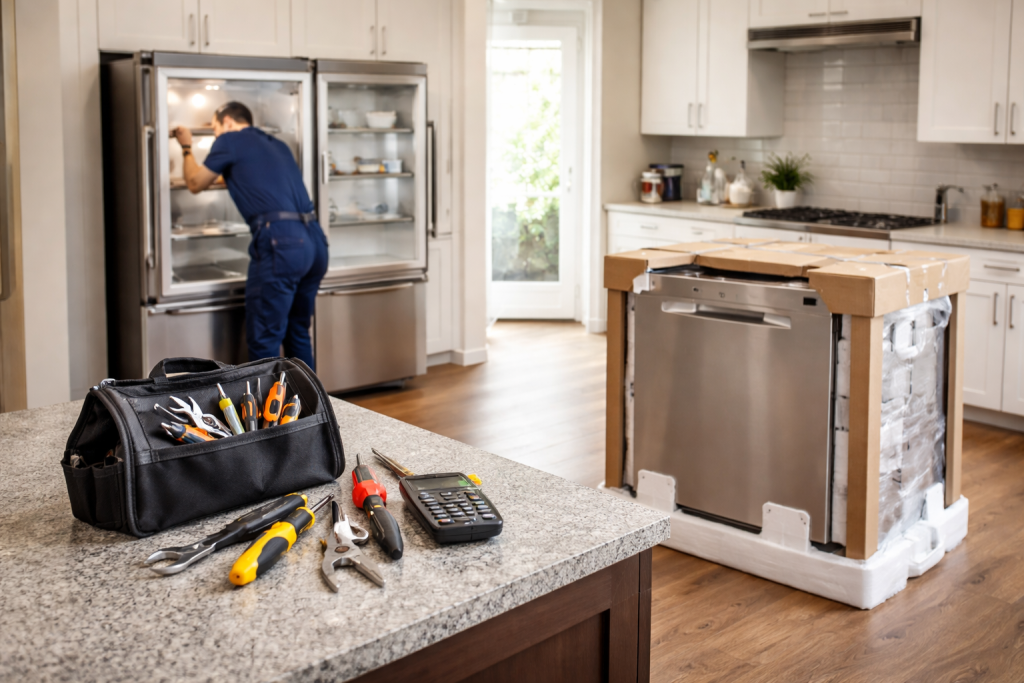
Picture this: your refrigerator starts making strange noises, or your washing machine suddenly stops mid-cycle. Most homeowners have faced the dilemma of whether to repair a troublesome appliance or invest in a new one. The stakes are high—appliances are expensive, and the wrong decision could mean spending more in the long run. With repair bills climbing and the unpredictability of future breakdowns, choosing when to repair versus replace is more complicated than ever.
This article will help you weigh your options with confidence. We’ll break down the real costs of both repair and replacement, clarify when an extended warranty can make a difference, and correct some common myths. By the end, you’ll know how to make the most cost-effective, stress-free choice for your home and budget.
- Major appliances typically last 8–15 years, but repair costs rise as they age.
- If a repair costs more than 50% of a new appliance, replacement is often the smarter choice.
- Extended warranties can help cover costly repairs after the manufacturer’s warranty expires, but won’t cover pre-existing issues.
- Some problems (like a failed compressor) are much more expensive to fix than others.
- Waiting too long on repairs can lead to higher costs or total appliance failure.
Repair vs. Replace: Weighing the Real-World Costs
The Case for Repairing Your Appliance
Repairing an appliance often makes sense when the issue is minor, the device is relatively new, or the cost of fixing it is significantly less than buying new. For example, replacing a dishwasher water inlet valve might cost $150–$300, including labor—much less than a new dishwasher.
- Repair is usually worthwhile if the appliance is under 8 years old.
- Simple fixes (switches, hoses, thermostats) are affordable and extend the appliance’s life.
- Repairs can delay the need for a costly new purchase, especially for higher-end models.
The Case for Replacing Your Appliance
Replacement becomes practical when repair costs approach half the price of a new appliance, or if the unit is nearing the end of its typical lifespan. For instance, refrigerator compressor replacement can run $300–$600—sometimes more than a decade-old fridge is worth.
- Older appliances are more likely to break again, leading to repeat repair bills.
- New models offer improved energy efficiency and features.
- Some parts (like sealed system components or control boards) are costly and may be obsolete.
Factors That Affect the Decision
- Appliance age: Most fridges, washers, and dryers last 10–13 years; dishwashers 8–10 years.
- Repair history: Multiple breakdowns signal it may be time to replace.
- Cost of repairs: Use the 50% rule—if the repair is over half the price of a new model, replacement is usually better.
- Availability of parts: Hard-to-find or discontinued parts can mean lengthy repairs or no fix at all.
Who Benefits Most from Repair vs. Replacement
- Repair: Owners of newer, high-end, or specialty appliances; those with minor or first-time issues; covered by warranty or protection plan.
- Replace: Appliances with frequent issues, major failures (like a broken compressor or drum), near or beyond average lifespan.
Common Misconceptions About Appliance Repairs
-
Misconception: “Repairs are always cheaper than replacement.”
Reality: Major repairs can rival or exceed the cost of a new appliance, especially as the unit ages. -
Misconception: “You can buy an extended warranty after the appliance breaks.”
Reality: Extended protection only covers future mechanical failures, not pre-existing problems.
Practical Guidance: How to Decide
- Get a repair estimate from a qualified technician—many providers offer flat-rate diagnostics.
- Compare the repair cost to the price of a comparable new appliance.
- Factor in the age and repair history of the appliance.
- Check if you have any remaining manufacturer or appliance extended warranty coverage.
- Consider energy savings, new features, and warranty coverage when calculating replacement value.
When to Involve a Professional or Extended Warranty Provider
If you’re facing a high repair bill (over $300) or a problem with a major component (compressor, control board, sealed system), it’s wise to involve a professional. Appliances under extended warranty protection are eligible for authorized repairs—this can save hundreds or even thousands of dollars. Extended warranties are especially valuable for complex or high-end appliances, where repair costs are unpredictable or parts are expensive. Routine maintenance or DIY fixes are fine for simple problems, but for anything involving electrical systems, gas, or sealed parts, always call an expert.
How Consumer Priority Service (CPS) Can Help
Consumer Priority Service connects you to factory-authorized repair networks, providing appliance extended warranty coverage that begins when the manufacturer’s warranty ends. Whether you own a refrigerator, washing machine, or other home appliance, CPS protection plans can help manage the cost of future mechanical failures—so you’re not left with surprise repair bills. Get a free quote or explore coverage options today.
Frequently Asked Questions (FAQ)
Q: Does an extended warranty cover accidental damage?
A: Most appliance extended warranties cover mechanical and electrical failures due to normal use, but do not include accidental damage, misuse, or cosmetic issues. Always review the specific terms before purchasing.
Q: Can I buy an extended warranty after my appliance breaks?
A: No. Extended protection plans are designed to cover unexpected future breakdowns, not pre-existing problems or failures that have already occurred.
Q: How much does it typically cost to repair a refrigerator?
A: Common refrigerator repairs range from $200 to $700, depending on the part and labor involved. Major issues like compressor or sealed system replacements are at the higher end of this range.
Q: Is it better to repair or replace a 10-year-old washing machine?
A: At 10 years, a washing machine is near the end of its average lifespan. If the repair is costly or the unit has had multiple issues, replacement may offer better long-term value.
Q: What’s the first step if my appliance fails?
A: Start by checking if your appliance is still under manufacturer or extended warranty. If covered, contact your provider to initiate a claim. If not, obtain a repair estimate to compare options.
Conclusion
Deciding whether to repair or replace an appliance comes down to cost, age, and reliability. Repairs are often worthwhile for newer or lightly used appliances, but replacement is usually the better path for older units facing expensive breakdowns. Extended protection from a trusted provider like CPS can make the decision less stressful by covering costly repairs after the manufacturer’s warranty ends.
Don’t wait until a breakdown leaves you scrambling—protect your investment and your peace of mind. Learn more about CPS protection plans and find the right coverage for your home today.

Still need help with your appliance?
If you’ve gone through the troubleshooting steps and the problem isn’t resolved, it may be time to think about protecting your appliance before the next issue appears. Our extended warranty plans continue coverage after the manufacturer’s warranty ends, helping cover repairs, parts, and service when unexpected breakdowns happen. With simple claims and dedicated support, protecting your appliance is easy.
Get Flat Rate Repair Program