

Signs Your Refrigerator Is About to Fail (And What to Do)
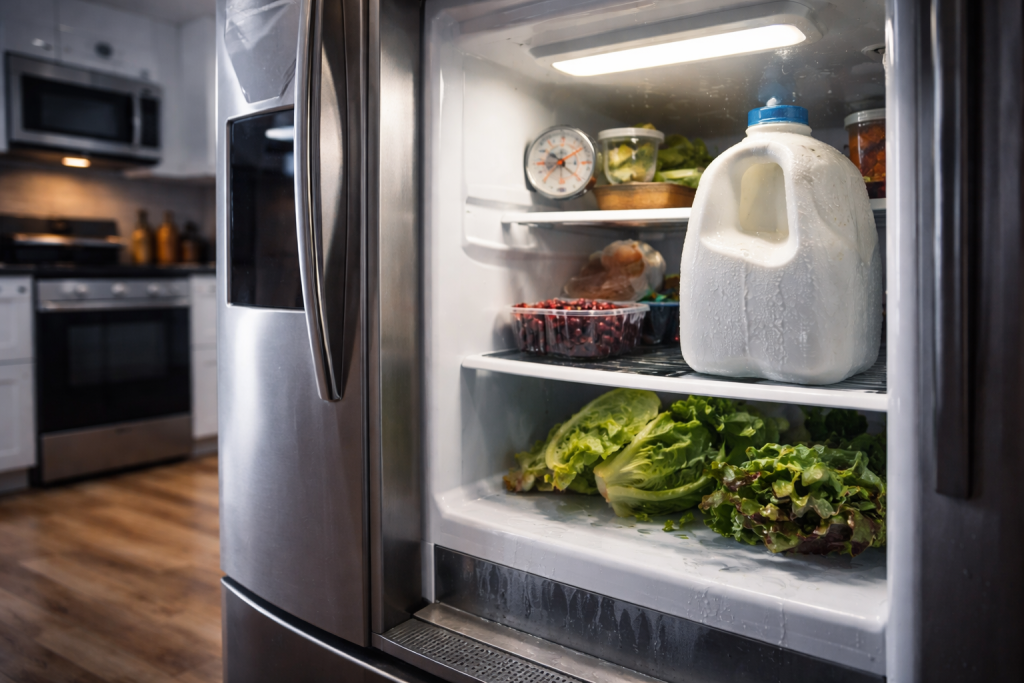
Imagine opening your refrigerator one morning to find your milk warm and your produce starting to wilt. For many homeowners, a refrigerator failure happens suddenly, turning a routine day into a scramble to preserve food and arrange costly repairs or replacement. Given the essential role a fridge plays in daily life—and the high price tag of quality appliances—it’s critical to recognize early warning signs and understand your options before a breakdown leaves you with spoiled groceries and a hefty bill.
This guide covers the most common signals that your refrigerator may be on the verge of failure, what you can do to address minor issues, and when it’s time to call a professional or consider extended warranty coverage. Whether you’re troubleshooting an older appliance or planning ahead for peace of mind, you’ll find practical advice to protect your investment and avoid unnecessary stress.
Key Takeaways: Signs Your Refrigerator Is About to Fail
- Common warning signs include unusual noises, inconsistent temperatures, excessive frost, and visible leaks.
- Ignoring early symptoms can lead to food spoilage and costly emergency repairs—compressor replacement alone can cost $300–$600.
- Routine maintenance and prompt attention to minor issues can extend your refrigerator’s life.
- Extended warranty coverage helps manage unexpected repair costs after the manufacturer’s warranty expires.
- Some problems require a professional or warranty service—DIY repairs aren’t always safe or effective.
Recognizing the Warning Signs of Refrigerator Failure
1. Unusual Noises or Vibrations
Modern refrigerators typically operate quietly. If you start hearing loud buzzing, clicking, grinding, or knocking sounds, it could indicate a failing compressor or motor. Vibrations or rattling may point to loose components or worn-out fans—issues that often worsen over time.
2. Temperature Fluctuations or Inadequate Cooling
If your fridge is no longer keeping food consistently cold, or if you notice frozen items thawing and refreezing, it’s a red flag. A failing thermostat, malfunctioning compressor, or leaky door seals can all contribute to temperature problems. Consistently warm temperatures not only risk food safety, but often signal a major part is nearing failure.
3. Excessive Frost or Ice Buildup
While some frost in the freezer is normal, excessive ice accumulation on interior walls, drawers, or vents usually points to defrost system issues or failing door gaskets. Left unchecked, this can reduce efficiency and lead to more serious mechanical failures.
4. Water Leaks or Pooled Condensation
Water collecting inside the fridge or underneath it often means there’s a clogged or cracked drain line, a faulty water inlet valve, or a broken ice maker. These issues may start small but can cause significant water damage if not addressed promptly.
5. Food Spoiling Faster Than Usual
If you notice milk souring before the expiration date, produce wilting rapidly, or freezer-burned foods, your refrigerator may be losing its cooling capacity or humidity control. This is often an early sign of a component beginning to fail.
Real-World Repair Costs: Why Early Action Matters
Waiting until your refrigerator completely stops working often leads to higher costs and more inconvenience. For example, replacing a compressor—the heart of your fridge—typically costs $300–$600, sometimes more than half the price of a new unit. Even seemingly simple repairs, like replacing a thermostat or control board, can exceed $200 with parts and labor. Extended downtime also increases the risk of food loss, which can quickly add up.
Common Misconceptions About Refrigerator Failure and Warranties
Many consumers assume their refrigerator will give plenty of warning before failing, or that any repair will be covered by their manufacturer’s warranty. In reality, most manufacturer warranties last only 1 year, and do not cover wear-and-tear issues after expiration. Another common misconception is that any repair can be handled with DIY fixes, but modern refrigerators use complex electronics and sealed systems—improper repairs can void coverage or worsen the problem.
Practical Steps if You Suspect a Problem
- Check Power and Settings: Ensure your refrigerator is properly plugged in and that temperature controls are set correctly.
- Inspect Door Seals: Damaged or loose gaskets can cause cooling problems—clean and check for cracks or gaps.
- Monitor Temperatures: Use an appliance thermometer to confirm if your fridge and freezer are maintaining safe temperatures (ideally below 40°F for the fridge, 0°F for the freezer).
- Look for Blockages: Make sure vents and fans aren’t obstructed by food or debris.
- Schedule Professional Service: If problems persist or you detect leaks, unusual noises, or warm sections, it’s best to contact a qualified technician.
When to Involve a Professional or Extended Warranty Provider
Some refrigerator issues—like a failed compressor, major leaks, or persistent temperature problems—require specialized tools and expertise. Attempting DIY repairs on these components can lead to further damage or safety risks. If your refrigerator is out of the original manufacturer’s warranty, and especially if it’s a high-end model or less than 6–8 years old, having an appliance extended warranty can make a significant financial difference. Extended coverage is designed to help manage the cost of unexpected mechanical failures and connects you with authorized repair professionals who understand your specific model.
How Consumer Priority Service (CPS) Can Help
Consumer Priority Service offers nationwide extended warranty coverage for refrigerators and other major appliances. If your manufacturer’s warranty has expired, a CPS plan can provide peace of mind by connecting you to factory-authorized service networks and helping cover the cost of covered repairs. Learn more about appliance extended warranty options or get a free quote today.
Frequently Asked Questions
Q: What are the most common signs my refrigerator is about to fail?
A: Warning signs include loud or unusual noises, inconsistent temperatures, excessive frost, visible leaks, and food spoiling faster than usual. Addressing these early can prevent larger failures.

Q: Is it worth repairing an old refrigerator, or should I replace it?
A: If your refrigerator is under 8–10 years old and the repair is less than half the cost of a new unit, repair is often worthwhile. For older models, replacement may be more cost-effective, especially if multiple components are failing.

Q: Does an appliance extended warranty cover pre-existing problems?
A: No. Extended warranty coverage generally applies only to mechanical or electrical failures that occur after the plan is purchased and does not cover pre-existing issues.

Q: Can I purchase an extended warranty after my refrigerator’s manufacturer warranty expires?
A: In many cases, yes—if your appliance is still in good working condition and meets eligibility requirements. Check directly with your warranty provider for specific terms.

Q: What repairs are typically covered by an extended warranty?
A: Most appliance extended warranties cover mechanical and electrical failures, such as compressor, control board, or fan motor breakdowns. Cosmetic damage, routine maintenance, and pre-existing issues are usually excluded.
Conclusion
Spotting early warning signs of refrigerator failure can save you from unexpected expenses and the hassle of emergency repairs. By staying alert to changes in noise, temperature, and performance—and by acting quickly when issues arise—you can extend your appliance’s life and avoid unnecessary food loss. For homeowners looking to protect their investment beyond the manufacturer’s warranty, extended coverage from a trusted provider like CPS offers added security and support. Explore CPS protection plans to see how they can help keep your home running smoothly, whatever tomorrow brings.

Still need help with your appliance?
If you’ve gone through the troubleshooting steps and the problem isn’t resolved, it may be time to think about protecting your appliance before the next issue appears. Our extended warranty plans continue coverage after the manufacturer’s warranty ends, helping cover repairs, parts, and service when unexpected breakdowns happen. With simple claims and dedicated support, protecting your appliance is easy.
Get Flat Rate Repair Program