

What Appliance Warranties Typically Cover (and Exclude).
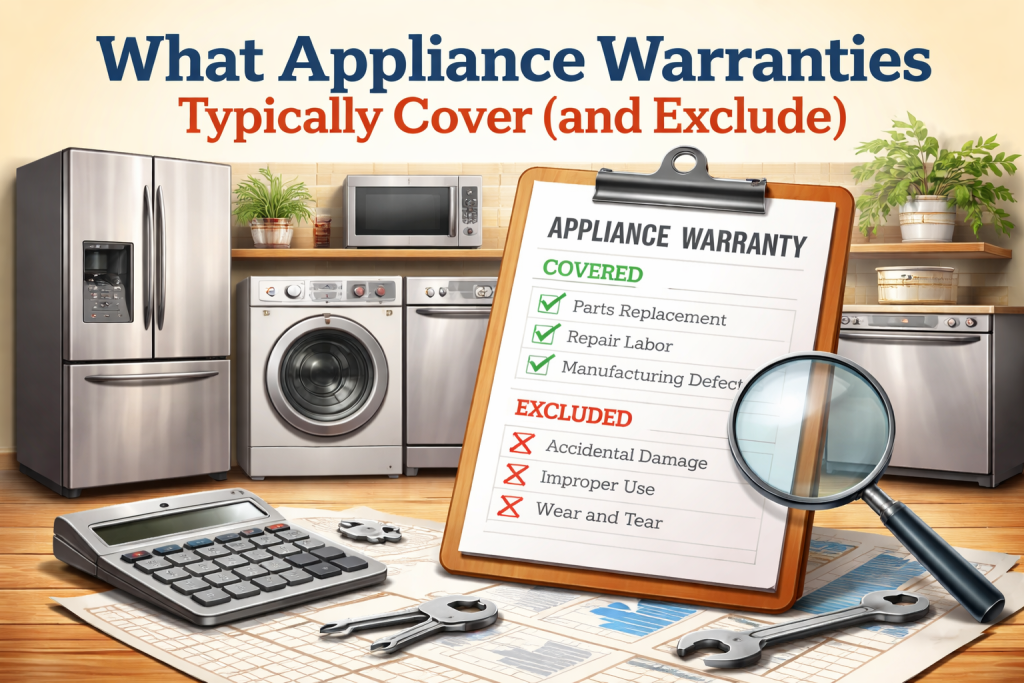
It’s a familiar moment for many homeowners: your refrigerator stops cooling, or your washing machine won’t start, and you’re left scrambling to figure out what’s covered by your warranty—if anything at all. The line between what’s protected and what isn’t can feel blurry, especially when facing unexpected repair bills that can quickly add up. Navigating appliance warranty coverage is not always straightforward, and misunderstanding these details can lead to costly surprises or missed opportunities for protection.
This guide breaks down what appliance warranties typically cover (and what they often exclude), helping you understand your options before a breakdown occurs. We’ll clarify common gray areas, provide real-world cost examples, and offer practical tips for reading coverage terms. Whether you’re considering an extended appliance warranty or just want peace of mind about your current protection, this article gives you the clear, unbiased answers you need.
Quick Answer: What Appliance Warranties Typically Cover
- Most appliance warranties cover mechanical and electrical failures due to normal use—not accidental damage or misuse.
- Parts and labor for covered repairs, such as failed compressors or broken control boards, are usually included.
- Common exclusions: cosmetic damage, routine maintenance, pre-existing conditions, and installation errors.
- Some extended warranties offer extra benefits, but coverage always has limits—read the terms carefully.
- Major repairs, like refrigerator compressor replacement, can cost $300–$600 or more without protection.
What Appliance Warranties Typically Cover
Covered Failures and Components
Standard appliance warranties, whether manufacturer or extended protection plans, are designed to cover repairs or replacements needed due to mechanical or electrical breakdowns under normal household use. This typically includes:
- Motors, compressors, and pumps (e.g., refrigerator compressors, washing machine motors)
- Internal electrical components (circuit boards, switches, wiring)
- Heating or cooling elements (dishwasher or oven heating elements, refrigerator evaporators)
- Control panels, timers, and displays
- Sealed systems (especially for refrigerators and freezers)
For example, if a refrigerator’s compressor fails after the manufacturer’s warranty expires, an appliance extended warranty can help cover the cost of parts and labor for replacement. Similar coverage applies to other major appliances, such as washing machines, dryers, dishwashers, ovens, and more.
What’s Typically Excluded
While appliance warranties offer valuable coverage, they do not protect against every type of problem. Common exclusions include:
- Accidental damage (drops, spills, impacts)
- Cosmetic issues (scratches, dents, discoloration)
- Routine maintenance (cleaning, filter replacements, light bulbs)
- Pre-existing conditions or damage prior to plan purchase
- Failures caused by improper installation, unauthorized repairs, or misuse
- Consumable parts (batteries, water filters, hoses, belts)
Understanding these limits is crucial—assuming all breakdowns are covered is a common misconception. Always review the plan’s terms for a complete list of inclusions and exclusions.
Gray Areas and Common Surprises
Some coverage areas can be confusing. For instance, if a malfunction is caused by a power surge, coverage may depend on your specific plan. Similarly, issues arising from improper installation or user error are almost always excluded. It’s also important to note that warranties do not cover failures resulting from neglect or lack of maintenance—such as not cleaning refrigerator coils or overloading a washing machine.
How to Read Coverage Terms Before Buying
- Check the covered components: Make sure critical parts are listed.
- Review the exclusions: Look for common wear-and-tear items or accidental damage clauses.
- Understand claim limits: Some plans cap payout amounts or limit the number of service calls per year.
- Clarify start/end dates: Extended coverage usually begins after the manufacturer warranty expires.
- Ask about service networks: Confirm if repairs will be done by factory-authorized technicians.
Taking time to read the details can prevent frustration and unwanted expenses later on.
When to Involve a Professional or Extended Warranty Provider
Simple fixes, like replacing a light bulb or cleaning a filter, are usually safe for homeowners to handle on their own. However, if your appliance experiences a major mechanical or electrical failure—such as a non-cooling refrigerator or a washing machine that won’t spin—professional repair is necessary. Because repair costs can range from $200 for a basic oven element replacement to over $600 for complex refrigerator repairs, extended warranty coverage is especially valuable when dealing with high-cost appliances or unexpected breakdowns.
How Consumer Priority Service (CPS) Can Help
As a trusted nationwide provider, Consumer Priority Service connects homeowners with factory-authorized service networks through comprehensive appliance extended warranty and electronics protection plans. CPS plans are designed for major appliances, electronics, and more, offering coverage that begins after the manufacturer warranty ends—so you’re protected against costly repairs down the line. Get a free quote to see which plan matches your needs.
Frequently Asked Questions
Q: What does an appliance warranty usually cover?
A: Most appliance warranties cover mechanical and electrical failures due to normal use, such as broken motors, compressors, or circuit boards. Coverage typically includes both parts and labor for these repairs.

Q: What is not covered by an appliance warranty?
A: Common exclusions are accidental damage, cosmetic issues, routine maintenance, pre-existing conditions, and failures from improper installation or misuse. Always review plan terms for specific exclusions.

Q: Does an extended warranty cover accidental damage?
A: Standard appliance extended warranties do not cover accidental damage (such as drops or spills). They are designed to protect against failures caused by normal wear and tear, not accidents.

Q: Can I buy an extended warranty after I purchase my appliance?
A: Yes, many providers—including CPS—allow you to purchase an extended warranty within a certain period after your original appliance purchase, provided the item is still in good working condition.

Q: How much does a typical appliance repair cost without a warranty?
A: Repair costs vary widely, but replacing a refrigerator compressor can cost $300–$600, while a washing machine motor replacement often runs $200–$400. Without warranty coverage, these costs are paid out of pocket.

Q: Do I need to register my appliance or warranty plan?
A: Most extended warranty providers require you to register your plan and appliance to activate coverage. This ensures your protection is in place if you need to file a claim.
Conclusion
Appliance warranties are powerful tools for reducing the financial risk of unexpected repairs—but only if you understand what’s included and what isn’t. By knowing the typical coverage and exclusions, you can make informed decisions about whether to extend protection and how to avoid common pitfalls. Remember, the best time to secure coverage is before a breakdown occurs, not after.
To protect your investment and gain lasting peace of mind, explore your coverage options with Consumer Priority Service. Learn more or get a quote today.

Still need help with your appliance?
If you’ve gone through the troubleshooting steps and the problem isn’t resolved, it may be time to think about protecting your appliance before the next issue appears. Our extended warranty plans continue coverage after the manufacturer’s warranty ends, helping cover repairs, parts, and service when unexpected breakdowns happen. With simple claims and dedicated support, protecting your appliance is easy.
Get Flat Rate Repair Program