

Fridge Not Cooling But Freezer Works
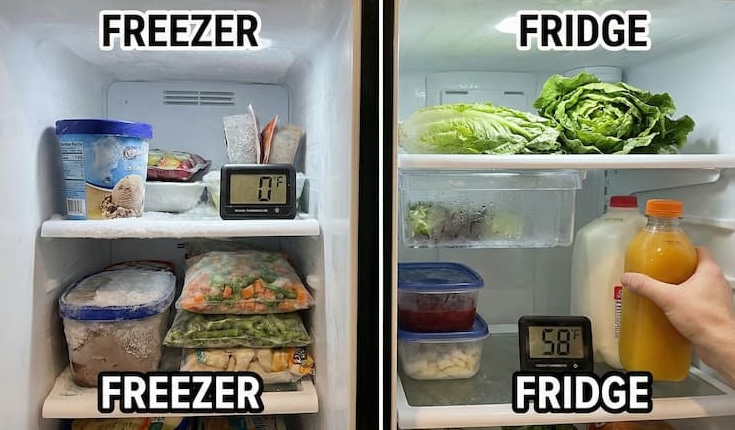
If your fridge is not cooling but the freezer works, the most common causes are restricted airflow from the freezer into the fresh-food section, a failed evaporator fan, a stuck/damaged air damper, or a defrost problem that’s icing over the evaporator coils. In many cases it starts as a simple blockage (packed freezer vents, iced-over vents, or a door seal leak) but it can also be a mechanical failure that needs professional diagnosis.
Because the freezer is doing its job, the compressor and sealed system are often still running. The issue is usually that cold air isn’t being moved or metered correctly into the refrigerator compartment.
Why This Problem Happens
In most modern refrigerators, the freezer creates the cold, and fans/vents/dampers distribute that cold air to the fridge section. When airflow is blocked or a control component fails, the freezer can stay cold while the refrigerator warms up.
1) Blocked vents or poor airflow (most common)
What it is: Cold air travels from the freezer through vents into the refrigerator section. If those vents are blocked, the fridge warms while the freezer stays cold.
Why it happens: Overpacked items, frozen food bags pressed against vents, or ice buildup in the air channel can restrict airflow.
How serious: Moderate. It can spoil fresh food, but it’s often fixable without parts.
DIY or mechanical: Usually DIY.
2) Evaporator fan not running (or running intermittently)
What it is: The evaporator fan (typically in the freezer compartment) circulates cold air across the evaporator coils and pushes it toward the fridge section.
Why it happens: Fan motor wear, ice interference, wiring issues, or a failed control signal.
How serious: High. Without the fan, the refrigerator section often won’t cool properly even if the freezer seems “okay.”
DIY or mechanical: Light inspection is DIY; replacement/diagnosis is typically mechanical/pro.
3) Air damper stuck closed or broken
What it is: The damper is a small door/valve that regulates how much cold air moves from the freezer into the refrigerator.
Why it happens: Ice buildup, broken gears, failed damper motor, or a control issue can leave it stuck closed.
How serious: Moderate to high. The fridge can warm quickly while the freezer remains normal.
DIY or mechanical: Basic checks are DIY; repair is often mechanical.
4) Defrost system problem causing an ice-clogged evaporator
What it is: If the defrost heater, defrost thermostat/sensor, or control board fails, frost can build up on the evaporator coils until airflow is choked off.
Why it happens: A failed heater or sensor prevents normal defrost cycles, leading to heavy ice.
How serious: High. Cooling performance will continue to degrade, and the fan may struggle or stop due to ice.
DIY or mechanical: You can confirm symptoms; component testing/replacement is usually professional.
5) Temperature control, thermistor, or control board issue
What it is: Sensors (thermistors) and controls tell the fridge when to run fans, open dampers, and manage defrost cycles.
Why it happens: Sensor drift, loose connections, or a failing electronic control board.
How serious: Moderate to high. It can cause inconsistent temperatures and recurring warm-fridge issues.
DIY or mechanical: Mostly mechanical/pro diagnosis.
Why This Problem Should Not Be Ignored
A refrigerator section that won’t cool properly can turn into a bigger (and more expensive) problem if it’s left unresolved:
- Food safety risk: Fresh foods can enter unsafe temperature ranges quickly, even if frozen foods seem fine.
- Hidden ice buildup: A defrost failure can keep building frost until airflow is fully blocked, leading to repeated warm-ups.
- Extra strain on components: Fans and the compressor may run longer trying to compensate, increasing wear.
- Water leaks: Heavy frost can melt during off-cycles and overflow a drain path, causing puddles or interior icing.
- Cost escalation: What starts as a blocked vent can become a failed fan motor or damaged control components if the unit runs under stress.
Step 1: Try These Fixes First (DIY)
Safety first: Before inspecting internal components, unplug the refrigerator or switch off power at the breaker. Use gloves if you’re handling ice or sharp panels.
1) Confirm settings and basic conditions
- Check temperature settings: Make sure the fridge isn’t set to “warm” or a vacation/demo mode. Typical targets are around 37–40°F for the fridge and 0°F for the freezer.
- Give it time after changes: If you just adjusted settings, allow 12–24 hours for temperatures to stabilize.
- Check door closure: Ensure the fridge door seals fully and isn’t being pushed open by a shelf bin or food container.
Success looks like: The fridge temperature begins trending down within several hours and stabilizes by the next day.
2) Clear vents and improve airflow
- Locate vents: Find the air vents in the freezer and the fridge section (often near the top back of the fridge compartment).
- Remove obstructions: Pull food away from vents. Avoid packing items tightly against the back wall.
- Check for visible ice: If you see frost/ice around vents, that’s a strong clue airflow is restricted.
Success looks like: You can feel cold air movement at the fridge vent after the unit runs.
3) Do a quick door gasket test
- Inspect the gasket: Look for tears, gaps, or hardened sections.
- Paper test: Close the door on a strip of paper. If it slides out easily at multiple points, the seal may be weak.
- Clean the gasket: Wipe with mild soap and water; residue can prevent a good seal.
What it means: Poor sealing can introduce moisture, leading to frost that blocks airflow and causes uneven cooling.
4) Listen for the evaporator fan (simple check)
- Open the freezer door: Many models pause the fan when the door opens.
- Press the door switch: Hold the switch closed (the small plunger/button that senses the door) and listen for a fan.
- Listen near the back of the freezer: A steady whir indicates the fan is running.
Results:
- Fan runs: Airflow issues may be vent/damper/ice related.
- No fan sound: Could be a failed fan motor, wiring, or control issue—move to diagnostic scenarios below.
5) Check for signs of a defrost/ice blockage problem
If the freezer is cold but the fridge is warm and you notice any of the following, suspect a defrost issue:
- Frost building up on the freezer’s back interior panel
- Reduced airflow from vents over time
- Fan noise that changes (hitting ice) or stops intermittently
Optional quick reset: A full power cycle (unplug for 5 minutes, then plug back in) can clear a temporary control glitch. If the problem returns quickly, it’s likely not just a glitch.
6) Consider a controlled manual defrost (only if you suspect heavy ice)
If you strongly suspect the evaporator is iced over and you need a short-term fix to protect food, a manual defrost can restore airflow temporarily.
- Move perishables: Place food in coolers.
- Unplug the refrigerator: Leave doors open.
- Allow 12–24 hours: Let ice melt fully (towels help). Do not chip ice with sharp tools.
- Restart and monitor: If it cools normally for a few days then fails again, the defrost system likely needs repair.
Important: Manual defrost is a symptom-check, not a permanent repair if a heater/sensor/control has failed.
Step 2: Identifying Mechanical vs. Electrical Failure
Use these common behavior patterns to narrow down what’s happening.
If it makes noise but the fridge section stays warm
- Likely causes: Damper stuck closed, blocked vents, iced evaporator, or weak airflow.
- What to check: Airflow at fridge vents, frost on freezer back panel, and whether the fan is actually moving air.
- Often: Mechanical airflow/defrost problem.
If it is silent in the freezer (no fan sound) but the freezer is still cold
- Likely causes: Evaporator fan motor failure, door switch issue, wiring, or control board problem.
- What to check: Door switch function and whether the fan ever runs during a cooling cycle.
- Often: Mechanical/electrical component failure that benefits from professional testing.
If the fridge cools sometimes, then warms again
- Likely causes: Defrost system failure (ice gradually blocks airflow), failing fan motor, or sensor/control issue.
- What to check: Frost buildup pattern and whether a manual defrost temporarily “fixes” it.
- Often: Defrost-related or electronic control issue.
If the freezer is extremely cold but the fridge is warm
- Likely causes: Damper not opening, airflow blockage, or a control issue that isn’t routing cold air correctly.
- What to check: Damper area for ice and listen for damper movement (some models make a soft whir/click).
- Often: Damper/airflow control problem.
If both compartments are starting to warm
- Likely causes: Dirty condenser coils, condenser fan issue (if equipped), compressor/start component problems, or sealed system concerns.
- What to check: Condenser coils for dust buildup and whether the unit is running hot or running constantly.
- Often: More serious mechanical repair.
Repair Cost Expectations
Repair costs vary by brand, model, and region, but here are realistic ranges homeowners often see when a freezer works but the fridge doesn’t:
- Diagnostic/service call: approximately $80–$150
- Evaporator fan motor replacement: approximately $200–$450
- Air damper assembly repair/replacement: approximately $150–$350
- Defrost heater/thermostat/sensor repair: approximately $200–$500
- Main control board replacement: approximately $250–$600
Costs can increase if heavy ice buildup has caused secondary issues (damaged fan blades, broken shrouds, or repeated overheating). A qualified technician can confirm the failed component rather than replacing parts by trial and error.
Professional Repair Pathway (When DIY Doesn’t Solve It)
If you’ve cleared vents, confirmed the doors seal properly, and the refrigerator section still won’t cool, it’s time to move from troubleshooting to professional diagnosis—especially if you suspect a defrost system failure, evaporator fan problem, or control board issue.
Consumer Priority Service (CPS) can help guide you to the right next step by connecting you with factory-authorized service options when available, using brand-trained technicians and OEM manufacturer-approved parts through a nationwide service network. This approach helps ensure the root cause is identified correctly and repaired to the manufacturer’s standards—important for long-term reliability.
Warranty & Eligibility Clarification
It’s important to know how warranty and protection plan coverage typically works:
- Existing failures aren’t covered: If your fridge is already not cooling, that current issue generally wouldn’t be covered by a newly purchased plan.
- Coverage is for future breakdowns: An appliance extended warranty or protection plan is designed to help with future mechanical or electrical failures after the plan is active and the product is functioning properly.
- After proper repair: Once the refrigerator is repaired and operating normally, you may be eligible for extended warranty coverage depending on the product and plan terms.
If you’re unsure what applies to your situation, CPS warranty service can help clarify next steps and what documentation (model/serial, proof of purchase, prior repair details) may be needed.
Why Factory-Authorized Service Matters
When a refrigerator has a fan, damper, defrost, or control issue, correct diagnosis matters as much as the repair itself. Factory-authorized service helps reduce guesswork and repeat visits.
- OEM parts vs. aftermarket: OEM manufacturer-approved parts are designed to match the unit’s airflow, sensors, and control logic.
- Brand-specific training: Technicians familiar with your brand’s common failure points can pinpoint issues faster.
- Proper diagnostic standards: Authorized service typically follows manufacturer test procedures (for thermistors, defrost circuits, fan voltage, and board outputs).
- Long-term protection: Correct repairs help prevent recurring icing, temperature swings, and premature component wear.
After Repair: Future Protection
Once your refrigerator is back to cooling normally, consider how you’ll handle the next unexpected breakdown. A protection plan for appliances and electronics can help with covered repairs tied to mechanical and electrical failures—often including issues like:
- Evaporator or condenser fan motor failure
- Control board malfunction
- Defrost system electrical breakdown (heater, sensors, related components)
- Damper and airflow control failures
CPS offers extended protection options across many product categories—beyond appliances, including smartphone protection plan choices, laptop warranty coverage, and TV protection plan options—so you can protect the high-value items you rely on every day.
FAQ: Fridge Not Cooling But Freezer Works
Why is my freezer cold but my fridge warm?
Most often, cold air isn’t reaching the fridge section due to blocked vents, an iced-over evaporator, a failed evaporator fan, or a stuck air damper. The freezer can still feel normal because it’s closer to the cooling source.
How do I know if my evaporator fan is bad?
If you press the freezer door switch and don’t hear the fan running (and the fridge is warm), the evaporator fan motor or its control circuit may be failing. You may also hear intermittent scraping if the fan is hitting ice.
Will unplugging the refrigerator fix it?
A power cycle can clear a temporary control glitch, but it won’t fix a failed fan motor, damper, or defrost heater. If unplugging helps only briefly, suspect a defrost/ice buildup issue or an intermittent component.
Is it safe to keep using the refrigerator if the fridge side is warm?
It can be unsafe for perishable foods. If the refrigerator compartment can’t maintain a safe temperature, move food to another fridge/cooler and focus on diagnosing airflow or defrost problems.
What temperature should my fridge and freezer be?
Many households aim for around 37–40°F in the refrigerator and 0°F in the freezer. Exact targets can vary slightly by preference and model, but the fridge should stay consistently cold enough to protect food quality.
Does a dirty condenser coil cause “freezer works, fridge doesn’t”?
Dirty coils more commonly reduce cooling performance overall, but they can contribute to temperature imbalance and longer run times. Cleaning coils is a worthwhile maintenance step, especially if both sections start warming.
When should I call a professional?
If vents are clear and the issue persists, if you see heavy frost on the freezer back panel, or if the evaporator fan isn’t running, professional diagnosis is recommended. CPS can connect you to factory-authorized service pathways where available.
Can CPS help if my refrigerator needs repair?
Yes. CPS warranty service can help you understand your options and connect you with authorized repair solutions when DIY troubleshooting doesn’t resolve the problem, using trained technicians and OEM manufacturer-approved parts through a nationwide network.

Still have warranty questions?
Finished the article and still looking for answers? Don't leave your investment to chance. Our extended warranties offer seamless coverage that picks up right where the manufacturer leaves off. From 24/7 support to easy claims.
Get 3 Months Free