

Oven Not Heating
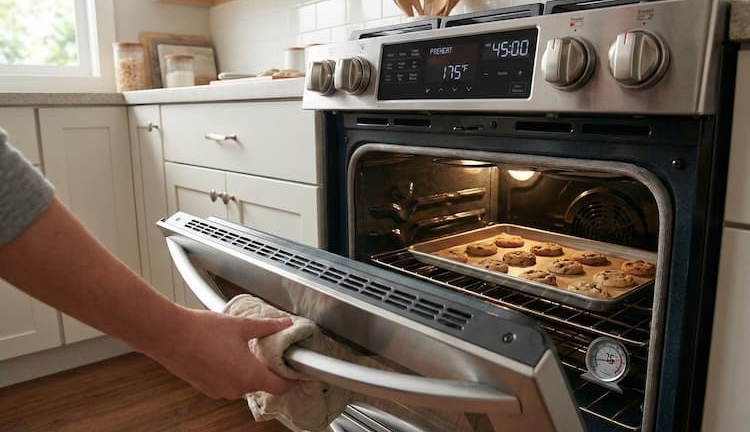
If your oven is not heating, it can be both disruptive and frustrating—especially when you rely on it for daily meals. The most common causes include issues with the heating element, electrical controls, or a faulty temperature sensor. Many oven heating problems can be resolved with basic troubleshooting and cleaning, but some situations will require a professional repair to ensure safe, reliable operation.
Why is my oven not heating?
Short answer: Ovens often stop heating due to a faulty heating element, a malfunctioning thermostat, problems with electrical connections, or control board issues. Sometimes, a simple power supply or maintenance issue is to blame.
The Most Common Causes
- Faulty bake or broil heating element
- Malfunctioning temperature sensor or thermostat
- Blown internal fuse or electrical supply issue
- Defective control board or wiring
- Buildup of food debris blocking heat flow
While some oven heating problems can be solved at home, persistent issues may signal a deeper electrical or component failure. Addressing the problem early can prevent more extensive repairs.
Need Professional Oven Repair? CPS Connects You to Factory-Authorized Service
Short answer: If your oven still does not heat after basic troubleshooting, professional service is recommended to safely diagnose and resolve more complex electrical or component failures.
Factory-authorized repair ensures your oven is restored to manufacturer standards using approved parts and trained technicians.
- Brand-trained technicians
- OEM manufacturer-approved parts
- Repairs performed to manufacturer standards
- Nationwide authorized repair access
Schedule Factory-Authorized Oven Repair
Why an Oven That Won't Heat Should Not Be Ignored
Short answer: Delaying repairs on an oven that won't heat can lead to further component damage, safety risks, and higher repair costs over time.
- Secondary component damage
- Electrical strain
- Cooking safety and undercooking risk
- Higher repair cost risk
Prompt action can help you avoid more costly and disruptive problems down the line.
Try These Fixes First
Short answer: Start by checking for tripped circuit breakers, ensuring the oven is plugged in, and cleaning out any visible debris around the heating elements.
How to Fix an Oven That Won't Heat
- Unplug the oven or switch off the circuit breaker for safety.
- Check that the oven is properly plugged in and that no circuit breakers are tripped.
- Inspect the heating elements (bake and broil) for visible signs of damage or disconnection.
- Gently clean the heating elements and interior to remove food debris or buildup.
- Test oven settings to ensure you have selected the correct mode and temperature.
- Confirm the oven door is closing firmly and the seal is intact.
- Restore power and retest the oven’s heating function.
If the oven heats properly after these checks, the issue was likely minor. If not, further diagnosis or professional service may be needed.
How to Identify the Type of Failure
Short answer: The way your oven behaves—such as not heating at all, heating unevenly, or partially warming—can help pinpoint whether the problem is with a component, control system, or something else.
If the Oven Does Not Heat at All
This usually indicates a total failure of the bake or broil element, a blown fuse, or a power supply issue.
If the Oven Heats Unevenly
This can point to a partially failing heating element or a malfunctioning temperature sensor.
If the Oven Display Works But No Heat
Most likely a failed heating element, broken wiring, or faulty relay on the control board.
If the Oven Trips the Circuit Breaker
This suggests an electrical short or a serious wiring issue that requires professional attention.
Repair Cost: What Should You Expect?
Short answer: Professional oven repair can range from $100 for minor fixes to $400 or more for major component replacement, depending on parts and labor.
- Service visit: $75–$150
- Minor component replacement (sensor, fuse): $100–$200
- Major component replacement (heating element, control board): $200–$400+
- Costs vary by brand, model, and region.
Can I Buy a Warranty to Fix This Current Issue?
Short answer: No, warranty coverage applies only to new, future mechanical failures—current or pre-existing issues are not eligible for protection.
Your oven must be fully functional at the time you purchase coverage. After completing a repair, you may be eligible for extended protection to guard against future breakdowns. Consider repairing first, then exploring a protection plan.
Why Factory-Authorized Service Matters
Short answer: Factory-authorized service protects your appliance and investment by ensuring repairs meet the manufacturer's quality and safety standards.
- OEM parts
- Brand-specific training
- Proper diagnostic standards
- Aftermarket components (unauthorized risk)
- Misdiagnosis (unauthorized risk)
- Repeat failure risk (unauthorized risk)
After Repair: Protect Against Future Breakdowns
Short answer: Once your oven is working properly, extended warranty coverage can help reduce out-of-pocket expenses for future mechanical or electrical failures.
- Motors
- Pumps
- Heating elements
- Control boards
- Mechanical failure due to normal use
Oven Not Heating FAQs
Why won’t my oven heat up at all?
Most often, this is due to a failed heating element, electrical supply issue, or a blown fuse.
Is it safe to keep using an oven that doesn’t heat properly?
No, using an oven that does not heat as expected can lead to undercooked food and potential safety concerns.
Can cleaning fix an oven that won’t heat?
Cleaning can help if buildup is blocking heat flow, but most heating failures involve electrical or component issues.
Should I try to replace oven parts myself?
Only attempt simple tasks like replacing bulbs or cleaning; electrical or component replacement should be left to professionals.
Does a tripped breaker mean my oven is broken?
Not necessarily—a tripped breaker may result from a temporary overload or wiring issue, but repeated tripping needs professional attention.
How long should an oven heating element last?
Heating elements typically last 5–10 years depending on use and maintenance.
Will a protection plan cover existing oven problems?
No, extended warranty coverage only applies to new, future mechanical failures, not pre-existing issues.
How do I know if the problem is the control board?
If the oven display works but the unit doesn’t heat, or if settings cannot be changed, the control board may be at fault.
What is the average cost to repair an oven that won’t heat?
Repairs typically range from $100 to $400 depending on the part and labor required.
Are factory-authorized repairs better than other options?
Factory-authorized service ensures use of OEM parts and trained technicians, reducing the risk of repeat failures.

Still need help with your appliance?
If you’ve gone through the troubleshooting steps and the problem isn’t resolved, it may be time to think about protecting your appliance before the next issue appears. Our extended warranty plans continue coverage after the manufacturer’s warranty ends, helping cover repairs, parts, and service when unexpected breakdowns happen. With simple claims and dedicated support, protecting your appliance is easy.
Get Flat Rate Repair Program