

Fridge Not Cooling But Freezer Works
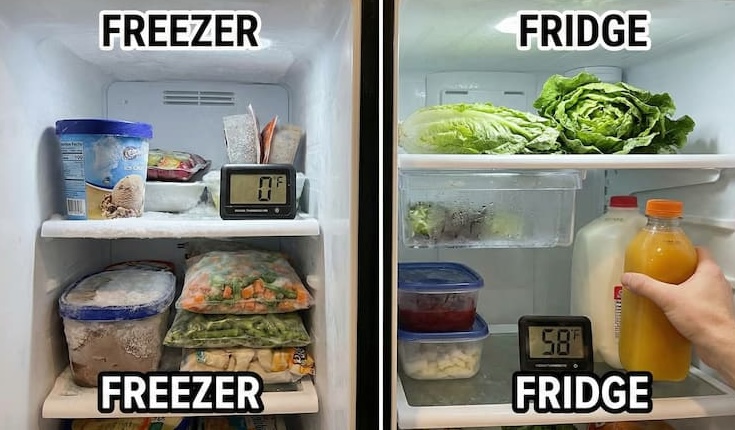
If your fridge isn’t cooling but the freezer still works, you’re not alone—this is a common household issue. Most often, the problem is related to airflow blockages, faulty fans, or a malfunctioning control system between the freezer and refrigerator compartments. Many of these issues can be identified and sometimes resolved with basic cleaning and inspection, but if the issue persists, professional repair may be necessary to restore proper function.
Why is my fridge not cooling but the freezer works?
Short answer: The most likely causes are a blocked air vent between the freezer and fridge, a failed evaporator fan, or an issue with the fridge’s temperature control system. These can disrupt the flow of cold air into the refrigerator section even when the freezer is operating normally.
The Most Common Causes
- Blocked air vents preventing cold air from reaching the fridge compartment
- Evaporator fan failure impeding air circulation
- Malfunctioning temperature control board or thermostat
- Frost buildup on evaporator coils due to defrost system failure
- Poor door seal or improper loading restricting airflow
While some issues can be corrected with a careful cleaning or adjustment, ignoring the problem can lead to food spoilage or more costly repairs. Address symptoms early to avoid secondary damage.
Need Professional Fridge Repair? CPS Connects You to Factory-Authorized Service
Short answer: If basic troubleshooting doesn’t restore cooling to your fridge, professional diagnosis and repair by an authorized technician may be required to resolve underlying mechanical or electrical issues.
CPS makes it easy to access factory-authorized refrigerator repair if home fixes don’t work.
- Brand-trained technicians
- OEM manufacturer-approved parts
- Repairs performed to manufacturer standards
- Nationwide authorized repair access
Schedule Factory-Authorized Fridge Repair
Why a Fridge That Isn’t Cooling But the Freezer Works Should Not Be Ignored
Short answer: Continuing to use a fridge with this symptom risks food spoilage, further component damage, and higher long-term repair costs.
- Secondary component damage due to overworked compressor or fan
- Electrical strain from prolonged malfunction
- Food spoilage and safety risks
- Higher repair cost risk if problems escalate
Act promptly when you notice cooling issues to protect your food and your appliance.
Try These Fixes First
Short answer: Start by clearing vents, checking airflow, and inspecting for obvious obstructions or frost buildup before calling for service.
How to Fix a Fridge That Isn’t Cooling But the Freezer Works
- Unplug the fridge and move food to a cooler for safety.
- Check that vents between the freezer and fridge compartments are not blocked by food items or ice.
- Inspect the door seals for gaps, tears, or dirt—clean and reseat as needed.
- Listen for the evaporator fan running when the freezer door is open (check your model’s safety switch position).
- Examine the back panel of the freezer for frost buildup; significant ice may indicate a defrost problem.
- Set the fridge and freezer controls to recommended settings and allow several hours for temperature adjustment.
- Plug the fridge back in and monitor temperatures over the next several hours.
If your fridge starts cooling, the issue was likely a blockage or minor airflow problem. If not, further diagnosis or professional service is needed.
How to Identify the Type of Failure
Short answer: The way your fridge and freezer behave can help pinpoint whether the cause is airflow blockage, a failed fan, or a control system issue.
If the Freezer Is Cold but the Fridge Is Warm
This usually points to blocked vents or a failed evaporator fan, since the freezer is making cold but it’s not reaching the fridge compartment.
If You Hear No Fan Running
A silent fridge/freezer when the compressor is running often means the evaporator fan has failed or is obstructed.
If You See Heavy Frost on Freezer Walls
Visible frost may indicate a defrost system failure, causing airflow blockages and uneven cooling.
If the Fridge Cools After Clearing Vents
This suggests the issue was a simple mechanical blockage, often from food placement or ice buildup.
Repair Cost: What Should You Expect?
Short answer: Typical repair costs for this issue range from $150–$400 depending on the part or system needing service, plus any diagnostic fees. Costs can rise if major electrical or control components require replacement.
- Service visit and diagnostic: $75–$150
- Minor component replacement (fan, sensor): $100–$250
- Major component replacement (control board, defrost system): $200–$400+
Costs vary by brand, model, and region.
Can I Buy a Warranty to Fix This Current Issue?
Short answer: No, extended warranty coverage applies to future mechanical failures—not issues that are already present or diagnosed.
Your refrigerator must be fully functional at the time of coverage activation. After professional repair and restoration to proper working order, you may be eligible for extended protection to guard against future breakdowns.
Why Factory-Authorized Service Matters
Short answer: Factory-authorized service ensures your fridge is repaired with original parts and proper techniques, protecting your appliance and your investment.
- OEM parts for correct fit and performance
- Brand-specific technician training
- Proper diagnostic and repair standards
- Risks of unauthorized repair: aftermarket components, misdiagnosis, repeat failure
After Repair: Protect Against Future Breakdowns
Short answer: Once your fridge is working properly again, an extended warranty can help minimize the risk and cost of future mechanical or electrical failures.
- Motors
- Pumps
- Heating elements (if applicable)
- Control boards
- Mechanical failure due to normal use
Fridge Not Cooling But Freezer Works FAQs
Why is my fridge warm but the freezer is cold?
The most common reason is blocked airflow between compartments, often due to a failed fan, frost buildup, or obstructed vents.
Can I fix this problem myself?
Many airflow issues can be resolved with careful cleaning, but electrical or mechanical failures usually require professional repair.
Is it safe to keep food in a fridge that isn’t cooling?
No, perishable foods should be moved to a working refrigerator or cooler to prevent spoilage and food safety risks.
Will unplugging and plugging the fridge back in reset it?
Resetting may help if the control system is temporarily malfunctioning, but it won’t fix mechanical or airflow problems.
How do I know if the evaporator fan is working?
Listen for a fan running inside the freezer when the door is closed or when the door switch is held down.
What if there’s ice on the back of my freezer?
Excessive ice may indicate a defrost system failure, which blocks airflow and requires professional repair.
Is this covered by my manufacturer warranty?
If your fridge is still within its original warranty period, contact the manufacturer for coverage details; otherwise, extended coverage may help after repair.
How soon should I call for repair?
Address the issue promptly to prevent food spoilage and reduce the risk of more expensive damage.
Can a warranty be purchased to cover an existing cooling issue?
No, extended warranties only cover future breakdowns after the appliance is restored to working order.
How do I prevent this in the future?
Regularly clean vents, avoid blocking airflow with food, and schedule routine maintenance for optimal performance.

Still need help with your appliance?
If you’ve gone through the troubleshooting steps and the problem isn’t resolved, it may be time to think about protecting your appliance before the next issue appears. Our extended warranty plans continue coverage after the manufacturer’s warranty ends, helping cover repairs, parts, and service when unexpected breakdowns happen. With simple claims and dedicated support, protecting your appliance is easy.
Get Flat Rate Repair Program