

Dryer Not Heating
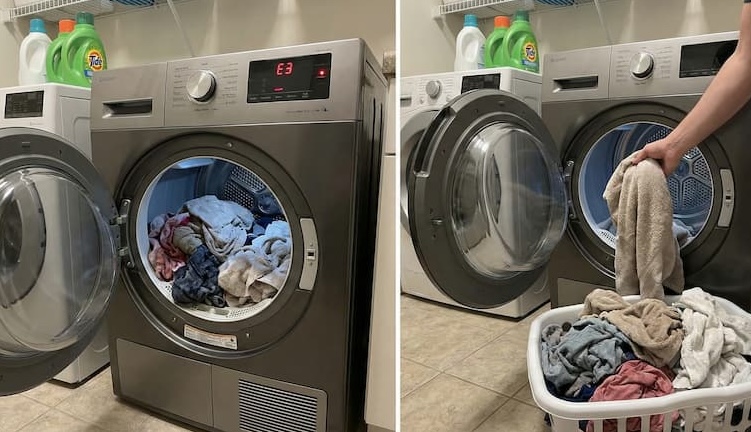
When your dryer isn’t heating, it can be frustrating and disruptive to your daily routine. The most common causes include restricted airflow, faulty heating elements, or electrical issues. Many dryer heating problems can be resolved with basic cleaning and inspection, but persistent issues may require professional repair.
Why is my dryer not heating?
Short answer: The most likely causes of a dryer not heating are a clogged lint filter or vent, a failed heating element, blown thermal fuse, or issues with the power supply.
The Most Common Causes
- Clogged or blocked lint filter and exhaust vent
- Failed heating element or thermal fuse
- Electrical supply problems—tripped circuit breaker or improper voltage
- Faulty thermostat or control board
Addressing heating issues early can prevent more serious damage to your dryer and help ensure safe operation.
Need Professional Dryer Repair? CPS Connects You to Factory-Authorized Service
Short answer: If cleaning and basic troubleshooting do not restore heat, professional service may be necessary to diagnose and resolve internal component failures.
CPS connects you to brand-approved repair networks for reliable, warranty-backed dryer repairs.
- Brand-trained technicians
- OEM manufacturer-approved parts
- Repairs performed to manufacturer standards
- Nationwide authorized repair access
Schedule Factory-Authorized Dryer Repair
Why a Dryer That Won’t Heat Should Not Be Ignored
Short answer: Ignoring a dryer that isn’t heating can cause additional strain on electrical components and may lead to more costly repairs or safety risks.
- Secondary component damage
- Electrical strain
- Higher repair cost risk
Prompt attention helps prevent larger problems and keeps your laundry routine on track.
Try These Fixes First
Short answer: Start by cleaning the lint filter, checking the vent for blockages, and ensuring the dryer is receiving the correct power.
How to Fix a Dryer That’s Not Heating
- Unplug the dryer or turn off the circuit breaker before starting.
- Remove and thoroughly clean the lint filter.
- Disconnect the exhaust vent and clear any lint buildup.
- Check that the dryer is plugged in securely and both circuit breakers (for electric models) are on.
- Inspect your settings to make sure a heat cycle is selected (not air fluff or timed dry with no heat).
- Restart the dryer and observe if heat is restored.
If your dryer begins heating again, the issue was likely a blockage or minor setting misconfiguration. If not, further diagnosis or professional service may be required.
How to Identify the Type of Failure
Short answer: The dryer’s behavior—such as running but not heating, not running at all, or intermittent heat—can indicate whether the issue is mechanical, electrical, or related to airflow.
If the Dryer Runs but Does Not Heat
This typically points to a failed heating element, blown thermal fuse, or power supply issue.
If the Dryer Runs for a Short Time, Then Shuts Off
Overheating from clogged vents or a faulty thermostat may be the cause.
If the Dryer Does Not Run at All
This may indicate an electrical supply problem, door switch fault, or blown fuse.
If Clothes Take Too Long to Dry
Restricted airflow from a blocked vent or lint filter is often responsible.
Repair Cost: What Should You Expect?
Short answer: Most dryer heating repairs range from $100 to $350, depending on the specific part and labor required.
- Service visit: $75–$150
- Minor component replacement (fuse, thermostat): $100–$200
- Major component replacement (heating element, control board): $200–$350
- Costs vary by brand, model, and region.
Can I Buy a Warranty to Fix This Current Issue?
Short answer: No, warranty coverage applies to future mechanical or electrical failures, not issues that already exist.
Your dryer must be fully functional at the time extended protection is purchased. Once repairs are complete, your appliance may become eligible for coverage to protect against future breakdowns.
Why Factory-Authorized Service Matters
Short answer: Factory-authorized service ensures repairs are completed using approved parts and techniques, protecting your dryer’s performance and your investment.
- OEM parts
- Brand-specific training
- Proper diagnostic standards
- Unauthorized risks: aftermarket components, misdiagnosis, repeat failure risk
After Repair: Protect Against Future Breakdowns
Short answer: Once your dryer is functioning properly, extended warranty coverage can help manage the risk of future repairs and keep your appliance protected.
- Motors
- Pumps
- Heating elements
- Control boards
- Mechanical failure due to normal use
Dryer Not Heating FAQs
Why is my dryer running but not heating?
Most often, this is due to a blown thermal fuse, faulty heating element, or restricted airflow from lint buildup.
Can a clogged vent cause a dryer to stop heating?
Yes, blocked vents are a leading cause of heating issues and should be checked first.
Should both circuit breakers be on for an electric dryer?
Yes, electric dryers require both breakers to supply full voltage for heating.
Is it safe to use my dryer if it is not heating?
It is generally safe, but continued use may worsen the problem or increase repair costs.
How do I know if the heating element is bad?
If the dryer tumbles but never produces heat, the element may have failed.
Can I replace a heating element myself?
Some experienced users can, but most should consult a professional due to electrical risks.
Does a dryer need regular maintenance?
Yes, cleaning lint filters and vents regularly is essential for safe and efficient operation.
Will a warranty cover repairs if my dryer is already broken?
No, warranty coverage is for future failures once the appliance is in working condition.
How quickly can a professional repair resolve heating issues?
Most common dryer repairs can be completed in a single visit if parts are available.

Still need help with your appliance?
If you’ve gone through the troubleshooting steps and the problem isn’t resolved, it may be time to think about protecting your appliance before the next issue appears. Our extended warranty plans continue coverage after the manufacturer’s warranty ends, helping cover repairs, parts, and service when unexpected breakdowns happen. With simple claims and dedicated support, protecting your appliance is easy.
Get Flat Rate Repair Program