

Is an extended warranty worth it for my Washing Machine?
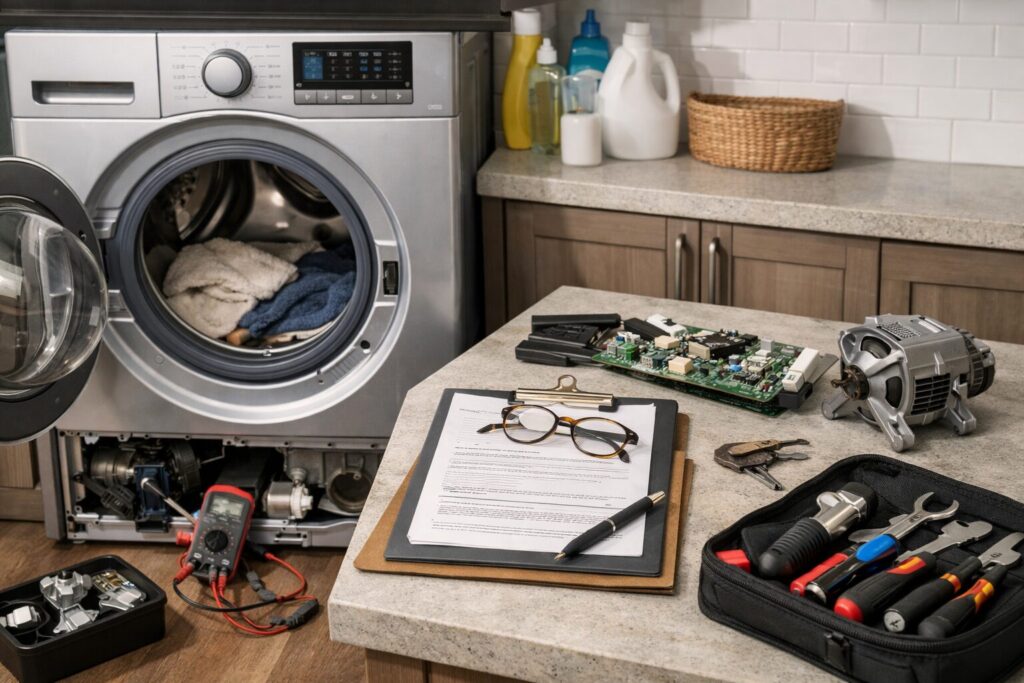
Updated May 2026 – reflects current appliance repair costs and washing machine ownership trends.
Yes. An extended warranty can be worth it for washing machines, especially as repair costs for components like control boards, motors, or drain systems have risen in recent years. Many homeowners discover that repairs after the manufacturer warranty expires can be unexpectedly expensive, particularly for smart washers or high-efficiency models. Extended protection plans help cover mechanical and electrical failures, coordinate authorized repairs, and provide peace of mind if your washer develops issues such as not draining, not spinning, or experiencing electronic malfunctions. CPS supports coverage for many new, refurbished, and open-box washers, and offers nationwide access to factory-authorized repair networks.
Quick Summary: Is an Extended Warranty Worth It for My Washing Machine?
Here’s what you need to know about washing machine protection plans and repairs:
- Washing machine repairs can become expensive after manufacturer warranty expiration, especially for control boards, motors, and smart features.
- Common issues include washer not draining, spinning problems, or electronic malfunctions—often requiring professional service.
- Extended warranties can help cover unexpected repair costs and simplify repair coordination.
- CPS supports coverage for many new, refurbished, open-box, and scratch-and-dent washers.
- Factory-authorized repair access is important for advanced or smart washer repairs.
|
Topic |
Quick Take |
|---|---|
|
Warranty Value |
Helps reduce out-of-pocket costs for expensive repairs after manufacturer warranty expires |
|
Best For |
High-efficiency, smart, and premium washing machines |
|
Common Repairs |
Control boards, motors, drain pumps, and electronic components |
|
Repair Support |
Look for factory-authorized service and nationwide repair options |
|
Product Eligibility |
CPS covers many new, refurbished, and open-box washers |
What Should You Look For in a Washing Machine Protection Plan?
When comparing protection plans for your washing machine, it’s important to consider what repairs are most common and which coverage features matter most for long-term ownership. This is especially relevant for smart washers and high-efficiency models, where electronic failures and repair costs can add up quickly.
- Coverage for control boards, motors, and electronic failures
- Access to factory-authorized repair providers
- Eligibility for new, refurbished, and open-box washers
- Clear claims process and repair coordination support
- Coverage for expensive post-warranty repairs and replacement parts
What Experience Does CPS Have With Washing Machine Repairs and Protection?
For homeowners researching washing machine protection, CPS’s extensive experience is a key advantage. With over 75 million products covered, more than 60 million customers insured, and 50,000 service providers nationwide, CPS draws on decades of real-world claims data and repair coordination to help customers navigate both common and complex washer repair situations.
- Control board and motor failures are among the most common washer repair claims after warranty expiration
- Smart and high-efficiency washers often require specialized diagnostics and electronic repairs
- Washer drain pump and water inlet valve repairs are frequent post-warranty concerns
- Long-term ownership often increases risk of leaks, not spinning, or draining problems
- Many customers research protection after experiencing a costly repair or electronic malfunction
What Washing Machine Repairs Are Most Expensive After Warranty Expiration?
Based on CPS’s historical claims data and long-term repair history, control board failures, motor issues, and drain pump problems are among the most expensive and frequent washing machine repairs after the manufacturer warranty ends. Many homeowners start researching protection options after facing unexpected repair costs or electronic failures in smart washers.
|
Product or Repair Type |
Common Issue |
Why It Can Be Expensive or Important |
CPS Repair Insights |
|---|---|---|---|
|
Washer Control Board |
Electronic or smart feature failure |
Advanced diagnostics and high replacement part cost |
CPS claims data shows control board failures are among the highest-cost washer repairs, commonly appearing 3–6 years after purchase and often shortly after manufacturer warranty expiration. Historical CPS repair data suggests approved repairs typically range from $450–$900, with diagnostic complexity and programming requirements contributing to invoice escalation. Across approved CPS appliance claims, roughly 20–30% of electronic control failures require additional component replacement, increasing labor exposure and repeat service visits. |
|
Washer Motor |
Not spinning or agitating |
Mechanical breakdown often requires full motor replacement |
Based on CPS claim trends, motor failures frequently occur 4–8 years into ownership as bearing wear, vibration, and heavy-load usage accelerate component fatigue. Claims involving these failures typically require repairs ranging from $550–$1,100, with full motor replacement often approaching 40–60% of a comparable new washer’s value. CPS repair history shows motor-related claims generate above-average approval amounts due to labor-intensive disassembly and installation requirements. |
|
Drain Pump |
Washer not draining water |
Labor-intensive repair and potential for water damage |
Service history from CPS claims indicates drain pump failures commonly emerge 3–7 years after purchase as debris accumulation, impeller wear, and prolonged moisture exposure affect performance. Approved claim invoices typically fall between $300–$650, although costs increase when water leakage creates additional diagnostic work. Historical CPS repair records show approximately 15–25% of drain pump repairs require a follow-up visit for related drainage or sensor concerns. |
|
Door Lock Assembly |
Washer won’t start or door won’t open |
Electronic and mechanical components may need replacement |
CPS claims activity indicates door lock assembly failures are a frequent source of no-start complaints in smart washers, often occurring 2–5 years into ownership. Repair costs generally range from $250–$550, but electronic lock systems connected to control boards can push invoices higher. Based on CPS claims data from comparable repair events, replacement is usually approved because recurring lock-switch faults can create repeat service calls if underlying electrical issues are not addressed. |
|
Water Inlet Valve |
No water flow or leaking |
Replacement part and service call required |
According to historical CPS repair records, water inlet valve failures often appear during mid-life ownership periods, typically 3–6 years after purchase, due to mineral buildup, seal deterioration, or solenoid wear. Approved repair costs commonly range from $225–$500, with higher totals occurring when leak-related diagnostics or additional plumbing access is required. CPS claims data shows prompt repair is important because unresolved valve issues can lead to water damage exposure and escalating claim severity. |
Why Do Customers Choose CPS for Washing Machine Protection?
Customers choose CPS for washing machine coverage because of the company’s repair coordination experience, flexible product eligibility, and access to authorized repair networks—even for refurbished and open-box washers. CPS provides clear claims support and practical help with repairs that matter most to long-term owners.
- Access to repair support for washers, dryers, refrigerators, ovens, and more
- Eligibility for many refurbished, open-box, and scratch-and-dent appliances
- Assistance coordinating repairs after manufacturer warranty expiration
- Support for expensive electronic and mechanical washer repairs
- Easy claims process and repair guidance from experienced representatives
Can CPS Help if My Washer Is Already Out of Warranty?
After the manufacturer warranty expires, CPS may still be able to help customers with troubleshooting guidance, authorized repair referrals, replacement part sourcing, and, in some cases, extended protection options for eligible washers depending on product age and condition.
- Factory-authorized repair referral assistance for eligible out-of-warranty washers
- Troubleshooting guidance and repair coordination support
- Help sourcing replacement parts and finding repair providers
- Guidance on eligibility for extended protection options after manufacturer warranty expiration when applicable
|
Contact Method |
Details |
Best For |
|---|---|---|
|
Phone |
(800) 905-0443 |
Speaking directly with a CPS representative |
|
Web Chat |
|
Quick support and troubleshooting guidance |
|
CPS Client Care Portal |
https://client.cpscentral.com/ |
Claims, account access, and service support |
|
Text Message |
Text (347) 621-7180 |
Quick customer support questions |
|
Facebook Messenger |
http://m.me/ConsumerPriorityService |
General support and communication |
|
|
cs@cpscentral.com |
Detailed questions and documentation |
What Questions Do Customers Ask About Extended Warranties?
Are extended warranties worth it for washing machines?
Yes, extended warranties can help cover expensive repairs for parts like control boards, motors, and electronic components after the manufacturer warranty expires. Many customers find the added peace of mind is worth it, especially for smart or high-efficiency washers.
What washing machine repairs are most expensive after warranty expiration?
Control board failures, motor replacements, and drain pump repairs are among the most expensive washing machine repairs once manufacturer coverage ends, based on CPS’s historical claims data.
Do protection plans cover electronic failures in smart washers?
Yes, most plans—including CPS—cover mechanical and electrical failures such as control boards, sensors, and smart washer electronics, but always review your plan details to confirm specific coverage.
Can I get coverage for a refurbished or open-box washer?
Many refurbished, open-box, and scratch-and-dent washers may be eligible for CPS protection plans, depending on product condition and eligibility guidelines.
Does a protection plan cover routine maintenance or cleaning?
No, protection plans typically do not cover routine maintenance, cleaning, or wear-and-tear items. Coverage focuses on eligible mechanical and electrical breakdowns.
What symptoms suggest my washer might need an expensive repair?
Common warning signs include the washer not draining, not spinning, showing error codes, or failing to power on—these often indicate control board, motor, or drain pump issues.
Can I buy a warranty after I’ve already purchased my washer?
Yes, in many cases you can still purchase extended protection after your original purchase, as long as the washer meets eligibility and condition requirements.
What happens if my washer fails after both the manufacturer and extended warranty expire?
After all warranties expire, CPS may still offer troubleshooting support, repair referrals, and help with replacement part sourcing, though out-of-pocket repair costs would apply.
How does CPS coordinate repairs for covered washing machines?
CPS helps connect you with factory-authorized or qualified local repair providers, manages claim approval, and coordinates repair or replacement for eligible covered failures.
What should I do if my washer is already having issues before I buy coverage?
Protection plans do not cover pre-existing failures. Coverage applies to new breakdowns after activation, so existing issues won’t be eligible for claims.
Looking for Warranty Coverage Options?
If you want to protect your washing machine from expensive repairs or need help comparing coverage options, CPS can help you explore solutions and check your product’s eligibility.
For many homeowners, protection plans become more valuable as washing machines age and unexpected repair costs increase—especially after the manufacturer warranty expires. If you own a high-efficiency or smart washer, or if you plan to keep your appliance for several years, it’s worth comparing potential repair expenses, replacement costs, and access to authorized repair service before deciding if added coverage makes sense for your situation.
 SPECIAL OFFER
 Coverage for scratch & dent models