

Microwave Extended Warranty: When Does It Actually Make Sense?
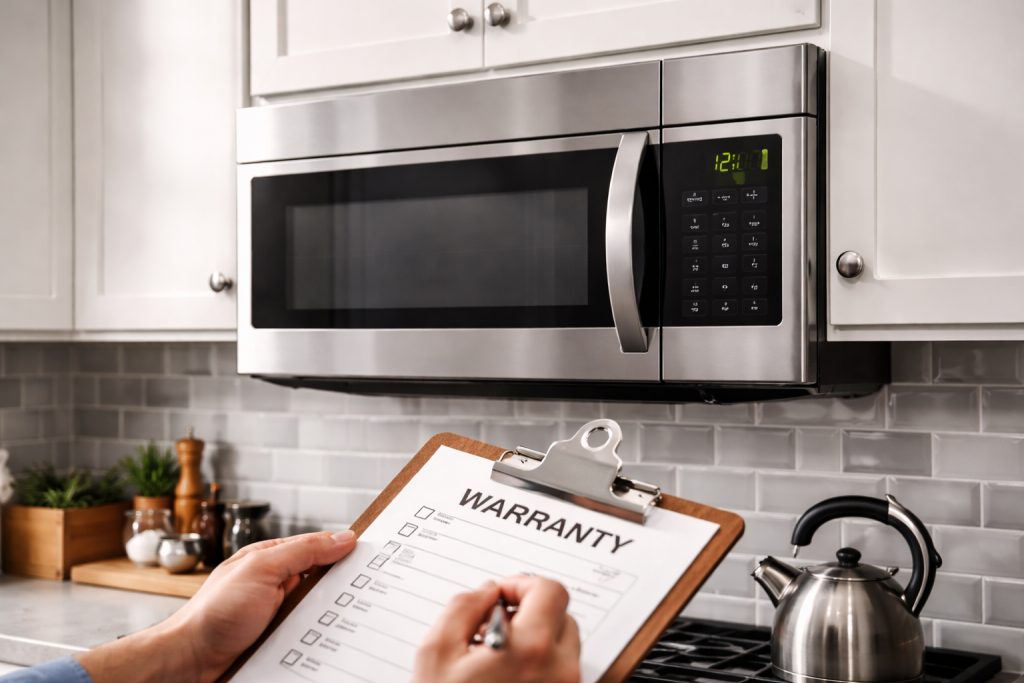
Picture this: your microwave suddenly stops heating just when you’re about to prepare dinner. Now you’re left wondering whether to pay for a repair, replace the entire unit, or if an extended warranty could have saved you the headache—and the extra cost. For many homeowners and consumers, deciding whether to add an extended warranty to a microwave is rarely straightforward. With modern appliances packed with more features (and electronics) than ever, a breakdown can mean unexpected expenses and complicated service decisions.
This guide takes a clear-eyed look at when a microwave extended warranty actually makes sense—and when it doesn’t. We’ll break down the real costs of common repairs, factors that affect value, common misconceptions, and practical advice for deciding whether extended protection is right for you. You’ll leave with the knowledge to make a confident, informed choice—no hype, just facts.
Quick Answer: Should You Buy a Microwave Extended Warranty?
- Repairing a microwave can cost $100–$250 depending on the issue; replacement may be required for major failures.
- Manufacturer warranties typically cover defects for only 1 year; extended warranties add years of protection for covered breakdowns.
- An extended warranty may make sense for higher-end, built-in, or commercial microwaves—but less so for low-cost countertop models.
- Extended warranties cover future mechanical and electrical failures, not pre-existing issues or accidental damage.
- Read the coverage terms and assess your product’s value, usage, and repair costs before deciding.
The Case for Microwave Extended Warranties
Potential Repair and Replacement Costs
Microwaves, especially over-the-range or built-in models, are more expensive to repair than most consumers expect. Common repairs—such as replacing a magnetron or control board—typically run between $100 and $250 including parts and labor. For higher-end models, repair costs can approach or exceed the price of a new unit. When labor costs and parts availability are factored in, a major failure often leads to full replacement.
Coverage Beyond the Manufacturer Warranty
Most major brands provide a standard 1-year warranty that covers defects in materials and workmanship. Once that period ends, you’re responsible for any repair or replacement costs. A microwave extended warranty or appliance extended warranty extends protection for several years beyond the manufacturer’s coverage, helping to shield you from unexpected breakdown costs that occur during normal use.
Who Benefits Most?
- Owners of built-in or over-the-range microwaves (higher repair and installation costs)
- Buyers of premium or commercial models
- Households with heavy daily microwave usage
- Anyone seeking predictable long-term appliance costs
The Case Against: When an Extended Warranty May Not Add Value
Lower-Cost Countertop Models
For basic countertop microwaves priced under $150, repair costs often approach the price of a full replacement. In these cases, many consumers simply replace the unit if it fails after the manufacturer warranty, making an extended warranty less cost-effective.
Low Failure Rates in the First Few Years
Microwaves from reputable brands rarely fail due to defects in the first 2–3 years. If you’re comfortable with the risk and willing to replace a low-cost unit, self-insuring may be reasonable.
Limited Coverage for Certain Issues
Extended warranties do not cover accidental damage, cosmetic issues, or pre-existing problems. Routine wear-and-tear or minor performance issues may not be included, so always review the coverage details before purchasing.
Factors That Affect Whether a Microwave Extended Warranty Is Worth It
- Product Price and Type: Higher-end and built-in models justify protection more than low-cost units.
- Usage Patterns: Frequent use increases the odds of out-of-warranty failures.
- Expected Lifespan: If you plan to keep the microwave for 5+ years, added coverage may pay off.
- Repair Accessibility: Some brands or models have more expensive or harder-to-source parts, making warranty coverage more valuable.
- Peace of Mind: If you prefer predictable costs and hassle-free service, a protection plan can offer reassurance.
Correcting a Common Misconception
Misconception: “Extended warranties cover any issue with my microwave, including accidental drops or pre-owned problems.”
Reality: Extended warranties only cover future mechanical and electrical failures that occur during normal use—not accidental damage, cosmetic issues, or pre-existing problems. Always check the policy for exclusions.
When to Involve a Professional or Extended Warranty Provider
If your microwave develops a sudden fault—such as not heating, sparking, or displaying error codes—diagnosing and repairing the issue often requires a trained professional. Built-in or over-the-range units, in particular, should be serviced by authorized technicians for safety and warranty compliance. Extended warranty coverage is most beneficial when repair costs are high, the unit is difficult to replace, or you want the convenience of professional service coordination. For minor or low-cost models, weigh the replacement cost against potential warranty savings.
How Consumer Priority Service (CPS) Can Help
CPS offers flexible appliance extended warranty plans that connect you with factory-authorized repair networks nationwide. Whether you own a premium built-in microwave or a full appliance suite, CPS provides clear coverage terms, easy claims, and reliable service options. Get a free quote to see how simple protecting your appliances can be.
Frequently Asked Questions
Q: Does a microwave extended warranty cover accidental drops or spills?
A: No, most extended warranties—including those from CPS—cover only mechanical and electrical failures due to normal use. Accidental damage, spills, and cosmetic issues are typically excluded. Always review your plan details for coverage specifics.
Q: Can I purchase an extended warranty after my microwave’s manufacturer warranty has expired?
A: Some providers allow you to purchase extended coverage within a certain period after the original purchase, but eligibility may depend on product condition and age. It’s best to secure coverage before the manufacturer warranty expires.
Q: How do I file a claim if my microwave breaks down?
A: Claims are typically filed online or by phone. With CPS, you can file a claim online and get connected with an authorized repair provider. You’ll need your warranty information and product details.
Q: What parts or issues are usually covered by an extended warranty?
A: Most plans cover internal components such as the magnetron, control board, and electrical systems. Routine maintenance, cosmetic damage, and pre-existing issues are not covered.
Q: Is it worth getting an extended warranty for a microwave under $100?
A: Generally, it’s not cost-effective to buy extended coverage for low-cost countertop models, since replacement often costs less than a major repair. For pricier or built-in units, extended protection can offer better value.
Conclusion
Microwave extended warranties aren’t one-size-fits-all solutions. They provide real value for owners of high-end, built-in, or heavily used appliances—especially when repair or replacement costs are high. For basic countertop models, the math often favors replacement over repair. The key is understanding your product’s value, usage, and risk profile before making a decision. Protecting your appliances before a problem occurs can save money and hassle down the road. Learn more about CPS protection plans or get a personalized quote to see your options.

Still need help with your appliance?
If you’ve gone through the troubleshooting steps and the problem isn’t resolved, it may be time to think about protecting your appliance before the next issue appears. Our extended warranty plans continue coverage after the manufacturer’s warranty ends, helping cover repairs, parts, and service when unexpected breakdowns happen. With simple claims and dedicated support, protecting your appliance is easy.
Get Flat Rate Repair Program